In IVF, an unrecognised contributor gets the spotlight: Jean Purdy
Purdy was the first to recognise and describe the formation of the early human blastocyst – the cluster of cells that forms five or six days after a sperm fertilises an egg, in the culture, a key milestone in pre-implantation development
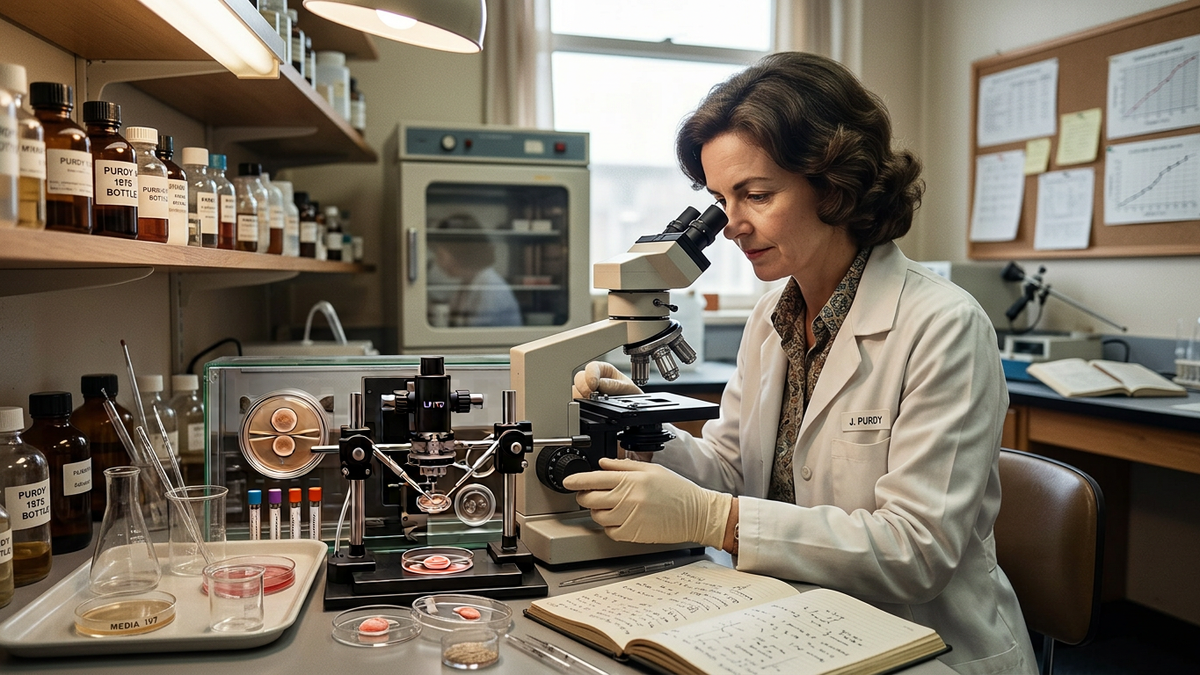
Most people are familiar with Louise Joy Brown, the first baby born through in vitro fertilisation (IVF) on July 25, 1978. However, the unsung hero who played a crucial role in making this groundbreaking birth possible remains largely unknown: Jean Purdy. A clinical embryologist and key contributor to the development of IVF, Purdy's contributions have been overlooked for far too long.
Born in Cambridge, U.K., Purdy trained as a nurse at Addenbrooke Hospital and joined the team of physiologist Robert Edwards and gynaecologist Patrick Steptoe at the Physiological Laboratory in Cambridge in 1968. It was under her guidance that the laboratory flourished, preparing and testing culture media, recording and organising data, and ultimately recognizing the formation of the early human blastocyst.
By doing so, she set the stage for Louise Brown's birth. Over the course of her career, Purdy published 26 academic papers with Edwards and others, detailing the methods and outcomes that made IVF safe and reliable. After the NHS funding for IVF was withdrawn, she established the Bourn Hall Clinic near Cambridge, serving as its technical director and standardising medical protocols for IVF.
Purdy's expertise and dedication were instrumental in the success of IVF, yet she was often overlooked in public recognition. It wasn't until recent research by Martin H. Johnson and Kay Elder, who examined Purdy's contributions through the Oldham Notebooks, that her true impact was brought to light. Despite the efforts of her collaborators, such as Edwards and Steptoe, Purdy's name was omitted from commemorations and awards, a classic example of the Matilda Effect. Now, it's time to finally acknowledge and celebrate Jean Purdy's vital role in the history of IVF.
Written by urgent.news from The Hindu Health's reporting — not their text. Machine-written — may contain errors; check the original before relying on it.