How Germany supports recovery of Berlin Pride attack victims
After a terrorist attack, public attention tends to focus primarily on the perpetrator. But what about the victims? What support can they expect? And what lies ahead for them?
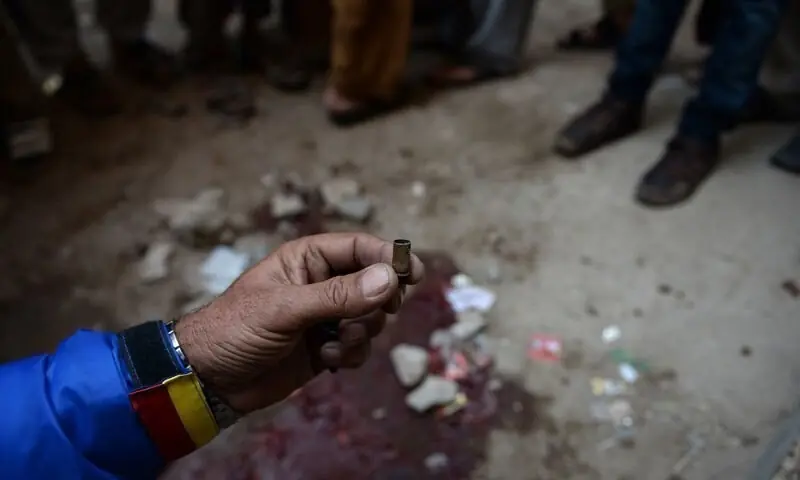
On July 25, Abdul Ballout drove a white van into a crowd in Berlin's Tiergarten park, where thousands were celebrating Berlin Pride. He then attacked people with a large knife, killing a 65-year-old woman from Poland and injuring 30 others, some seriously. The perpetrator was identified, and two days later, he was shot dead by police while attempting to flee.
Germany's data protection laws shield victims' privacy, though many may suffer long-term consequences from the incident. Victims can choose to share their stories with the media at any time. The injured are receiving treatment and financial assistance, with the possibility of hardship payments available through the Bundestag. Witnesses may also be considered victims, with long-term psychological effects possible.
Despite advances in support systems, bureaucratic delays and administrative challenges persist. Over the past decade, 13 terrorist attacks in Germany have resulted in 39 deaths and 475 injuries.
Written by urgent.news from DW News's reporting — not their text. Machine-written — may contain errors; check the original before relying on it.
This story
This is one outlet's version. Read the fullest account.