How Germany supports recovery of Berlin Pride attack victims
After a terrorist attack, public attention tends to focus primarily on the perpetrator. But what about the victims? What support can they expect? And what lies ahead for them?
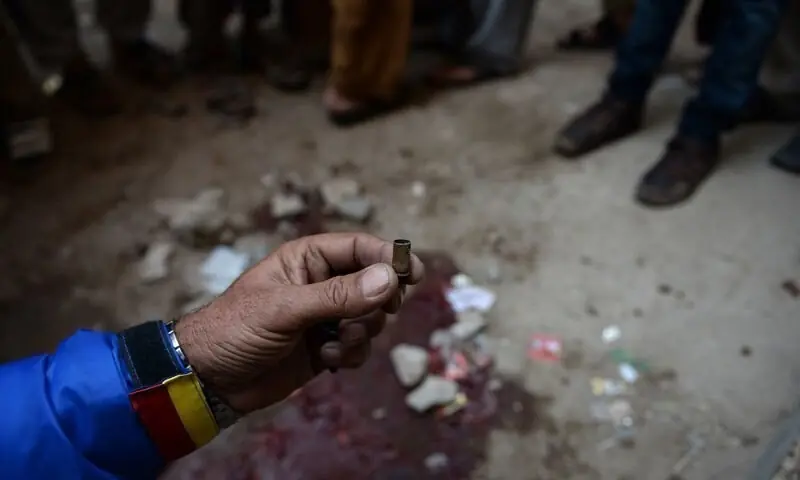
On July 25, a white van driven by Abdul Ballout plowed into a gathering of revelers in Berlin's Tiergarten Park, near the Brandenburg Gate. As thousands celebrated Berlin Pride, Ballout emerged from the vehicle and indiscriminately attacked bystanders with a large knife, killing a 65-year-old Polish woman and her daughter, among 30 others who were injured.
Two days later, police fatally shot Ballout while attempting to apprehend him. Details about the victims and their current conditions remain confidential due to Germany's data protection laws. Victims may choose to share their stories with the media. Roland Weber, a German federal government official, emphasizes that privacy protections are in place, and victims can approach the media at their own discretion.
Victims' advocates argue that affected individuals should receive more attention. Many injured have been hospitalized, with doctors expressing optimism for their recovery. Some have already been discharged and are undergoing outpatient treatment. Others will undergo therapy and rehabilitation. The German government offers hardship payments to victims of terrorist attacks, and Weber's office assists relatives of the victims, providing guidance and ensuring applications are submitted promptly.
Witnesses to the attack may also be considered victims, potentially experiencing long-term psychological effects. The Weisser Ring, a victim support organization, helps victims navigate the compensation process and offers support for long-term care and pensions. Germany has experienced 13 terrorist attacks in the past decade, resulting in 39 deaths and 475 injuries.
The government's support for victims is not time-limited and extends to cases dating back to the 1980s. Victims may grapple with understanding why they were targeted, as perpetrators in some cases have remained silent in court proceedings.
Written by urgent.news from DW English (Top Stories)'s reporting — not their text. Machine-written — may contain errors; check the original before relying on it.