Urgent.News

650+ sources. One page. See who else covered it.

Editions

Health & Medicine

Gesundheitsrisiko: Gesundheitsrisiko Waldbrand: Wieso der Rauch gefährlich ist

Waldbrände hinterlassen verheerende Schäden – und die können beim Menschen sogar langfristige Folgen haben. Kleine Feinstaubpartikel können tief in die Lunge und sogar ins Blut gelangen.

Gesundheitsrisiko: Gesundheitsrisiko Waldbrand: Wieso der Rauch gefährlich ist

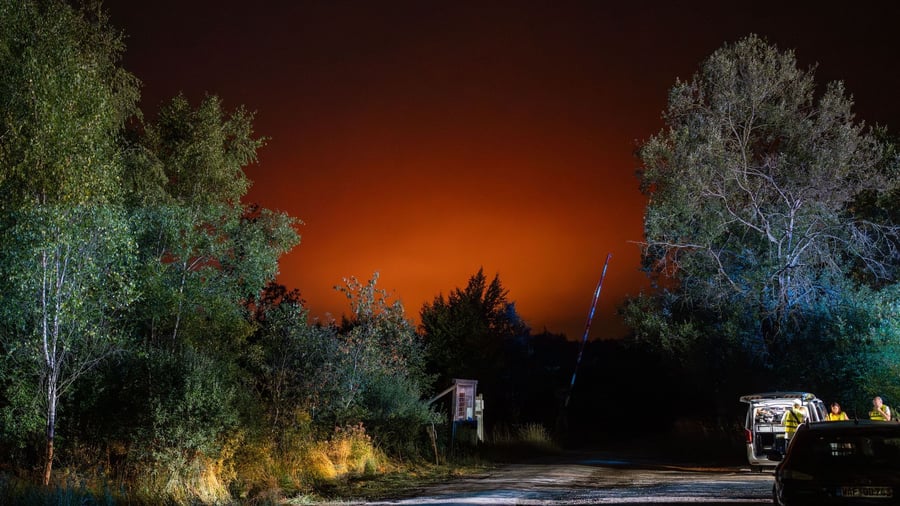
Waldbrände pose not only the threat of their destructive flames, but also a danger to human health through the smoke they create. The town of Monschau has advised its residents to evacuate their homes and apartments precisely for this reason. What can smoke cause? Smoke particles from forest fires are a complex mixture of various gases and very fine particles formed when trees, shrubs, buildings, and other materials burn.

According to the World Health Organization (WHO), fine dust particles called PM2.5 are particularly concerning because they can be inhaled and reach deep into the lungs. This can trigger symptoms such as coughing, eye and throat discomfort, headaches, or shortness of breath. Since these particles can even enter the bloodstream, they can potentially affect all human organs.

The Environmental Protection Agency (UBA) states that these particles cause inflammation and stress in cells. Depending on how long this lasts, diseases may result. Cardiovascular diseases, dementia, or type 2 diabetes have also been linked to fine dust by the UBA. Who is particularly at risk? The WHO reports that people with asthma, chronic lung or heart conditions may experience worsened symptoms, and that the elderly, infants, and children are more vulnerable than others, as their lungs are still developing.

Disabled individuals and pregnant women also belong to at-risk groups – and not least emergency personnel who are at the forefront of fighting the fires. How dangerous is it to be near a fire? As various weather conditions – such as wind – as well as individual reactions to pollutants play a role, there is no fixed safe distance from forest fires, writes the UBA.

However, the further one is from the burning area, the lower the risk of acute effects caused by smoke exposure becomes. At distances of a few hundred meters, the above-mentioned effects due to fine dust become relevant. The WHO points out that smoke from forest fires can spread over large regions and even countries or continents, significantly worsening air quality in the direction of the wind – even for people residing far away.

What can one do to protect themselves? The WHO advises: Follow recommendations of local authorities. Stay indoors as much as possible and keep windows and doors closed. Do not use air conditioning that brings in outdoor air and circulates it indoors. Wear an FFP2 mask outdoors. Seek medical advice if symptoms arise.

Written by urgent.news from Handelsblatt's reporting — not their text. Machine-written — may contain errors; check the original before relying on it.

Read the original at handelsblatt.com →

More in Health & Medicine

More from Sunday 16 August →