From GST reform to GCCs: How India can become a $20 trillion economy by 2036
India could reach a $20 trillion economy by 2036 with reforms. Services will drive this expansion, contributing over 65% of the GDP. A 20-step reform agenda targets taxes and capital markets for efficiency. Global capability centers and tourism offer significant growth opportunities. Successful execution of these measures is crucial for achieving the target.
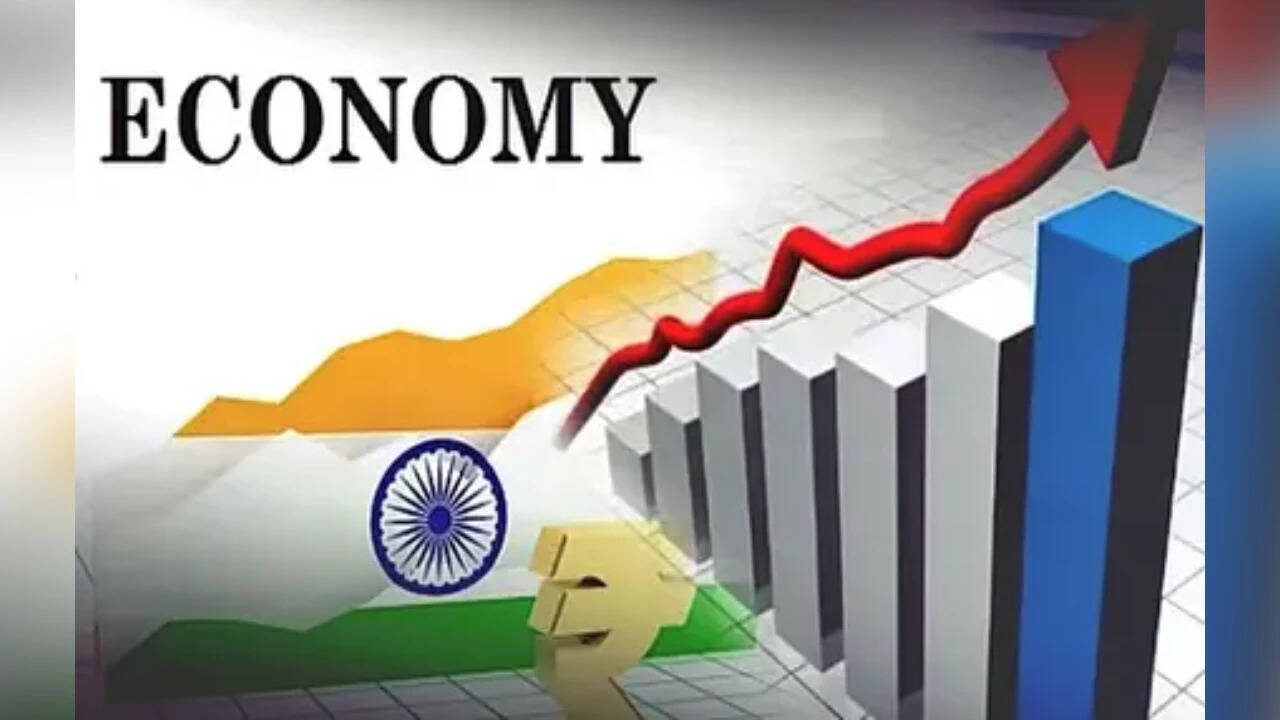
India aspires to become a $20 trillion economy by 2036, according to a research report by Equirus, a domestic brokerage. To achieve this ambitious target, the economy needs to grow at an underlying rate of around 14.2% per annum, with annual rupee appreciation of 3-3.6%. Currently, India's economy is valued at approximately $3.7 trillion, requiring a fivefold expansion to reach the $20 trillion milestone.
This would necessitate nominal dollar growth of around 18% annually, significantly above its historical trend of 10-11%.
The report proposes a 20-step reform agenda aimed at lifting India's growth trajectory, strengthening the external balance, and creating conditions for the desired economic expansion. Services are identified as the primary engine of growth, with their current contribution to GDP at 54%, expected to rise to over 65%. Services' economic output would need to surge from roughly $2 trillion to more than $11 trillion to support the target.
Manufacturing may face challenges due to a potential shift towards protectionist global trade, while agriculture's share of GDP is projected to decline amid urbanization trends.
The proposed reform package addresses various sectors, including taxes, capital markets, human capital, services, and urban governance. Key measures include incorporating fuel under the GST regime, setting minimum capital expenditure floors for states, establishing an Indian sovereign fund, expanding private education capacity, and reviving private-sector research and development.
Other reforms focus on deepening corporate bond markets and mitigating tax-related working-capital pressures. For instance, abolishing advance tax could release Rs 10 trillion in working capital, while a flat 5% TDS could unlock another Rs 13.4 trillion.
Written by urgent.news from Times of India's reporting — not their text. Machine-written — may contain errors; check the original before relying on it.