Central bank market backstops risk fuelling leverage and future crises
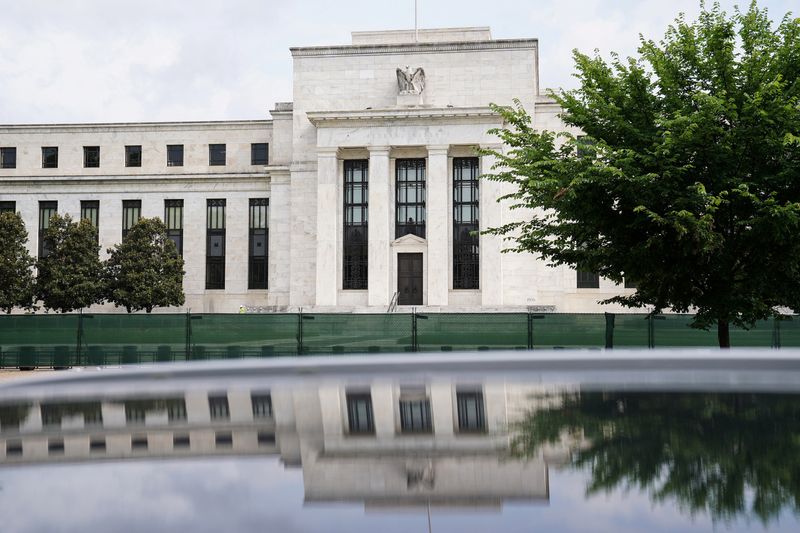
Central banks may be inadvertently promoting excessive borrowing and indirectly lowering government debt costs through emergency financial facilities, according to an analysis by the Wall Street Journal. This emerging concern stems from central banks stepping in as market stabilizers during both the 2008 financial crisis and the 2020 pandemic.
While these measures prevent widespread selling from destabilizing corporate and government bond markets, they also create an expectation of intervention. This expectation, in turn, reduces perceived risk and encourages investors to take on larger debts. Hedge funds are a significant area of concern, with their US Treasury holdings reaching $2.4 trillion by the end of 2025, a tenfold increase from a decade prior.
These funds often leverage up to 100 times to generate profits from small price differences between government bonds and related instruments.
The Bank of England's Chief Economist, Huw Pill, expressed concerns that policies designed to reduce financial fragility could inadvertently create new vulnerabilities. By assuring that repo and government bond markets will remain liquid, central bank assurances make it easier for leveraged investors to finance such trades. As a result, their purchases can push government bond yields lower, thereby reducing borrowing costs for the state.
However, this system is prone to collapse when markets turn sharply, forcing highly leveraged positions to unwind. When this happens, central banks may have to intervene again, further reinforcing the expectation of future support and encouraging increased risk-taking. The collapse of Treasury basis trades in 2020 is an example of this, prompting the Federal Reserve to intervene.
Pill suggests that the Bank of England's targeted approach during Britain's 2022 pension fund crisis as a better model. This strategy involved temporarily purchasing UK government bonds to maintain liquidity without creating a standing guarantee that rewards excessive risk. A key challenge lies in designing such facilities to restore market liquidity during emergencies without providing a disincentive for excessive risk-taking.
Another concern is that crisis programs could interfere with monetary policy. The Federal Reserve's 2023 bank rescue facility, initially intended for distressed institutions, was later used as a cheap funding source by healthy banks, leading officials to tighten its terms before it expired.
Written by urgent.news from Investing.com's reporting — not their text. Machine-written — may contain errors; check the original before relying on it.