FPCCI demands rollback of high taxes on hybrid cars
HYDERABAD: The Federation of Pakistan Chambers of Commerce and Industry (FPCCI) has expressed concern over the sales tax hike on hybrid vehicles, from 8.5 per cent to 25pc, and warned that this short-sighted policy would hurt consumers and cripple the auto industry. In a statement issued on Saturday, Adeel Siddiqui, a member of the FPCCI Executive Committee, noted that tax concessions on hybrid…
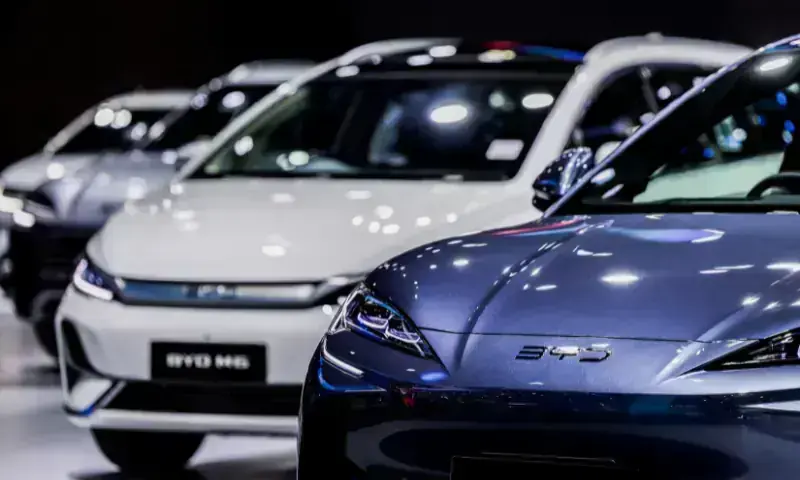
The Federation of Pakistan Chambers of Commerce and Industry (FPCCI) has raised alarm over a recent sales tax increase on hybrid vehicles, criticizing the move as shortsighted and detrimental to consumers and the auto industry. Adeel Siddiqui, a member of the FPCCI Executive Committee, revealed that tax concessions for hybrids expired on June 30, and without a new auto policy in place, the Federal Board of Revenue reinstated a hefty 25 percent general sales tax on hybrid electric and plug-in hybrid vehicles.
This represents a drastic rise from the previous preferential rates of 8.5 percent for hybrids up to 1800cc and 12.75 percent for those over 1800cc. The FPCCI warns that this abrupt policy change has plunged the auto sector into chaos, leading automakers to halt production and cease issuing invoices due to uncertainty over which sales tax rate to apply.
The tax hike has crippled thousands of workers, vendors, and transporters, as they face job losses and wage reductions in the absence of a clear policy. Pakistan's energy security is jeopardized as the country imports approximately 80 percent of its petroleum products, making a shift to electric vehicles a matter of national importance.
Siddiqui stresses that the government's decision to make hybrids more expensive is detrimental to fuel efficiency and discourages local production of clean energy vehicles. The FPCCI calls for an immediate rollback of the 25 percent sales tax on hybrids or a reduction to 18 percent until the new auto policy is finalized, urging the government to notify the Auto Policy 2026-31 without delay to provide much-needed clarity and stability to the industry.
They advocate for a phased transition to clean energy, incentivizing local manufacturing and technology transfer. Siddiqui emphasizes the urgency of addressing this policy vacuum before it further damages Pakistan's automotive sector and energy security.
Written by urgent.news from Dawn's reporting — not their text. Machine-written — may contain errors; check the original before relying on it.
This story
This is one outlet's version. Read the fullest account.