FPCCI demands rollback of high taxes on hybrid cars
HYDERABAD: The Federation of Pakistan Chambers of Commerce and Industry (FPCCI) has expressed concern over the sales tax hike on hybrid vehicles, from 8.5 per cent to 25pc, and warned that this short-sighted policy would hurt consumers and cripple the auto industry. In a statement issued on Saturday, Adeel Siddiqui, a member of the FPCCI Executive Committee, noted that tax concessions on hybrid…
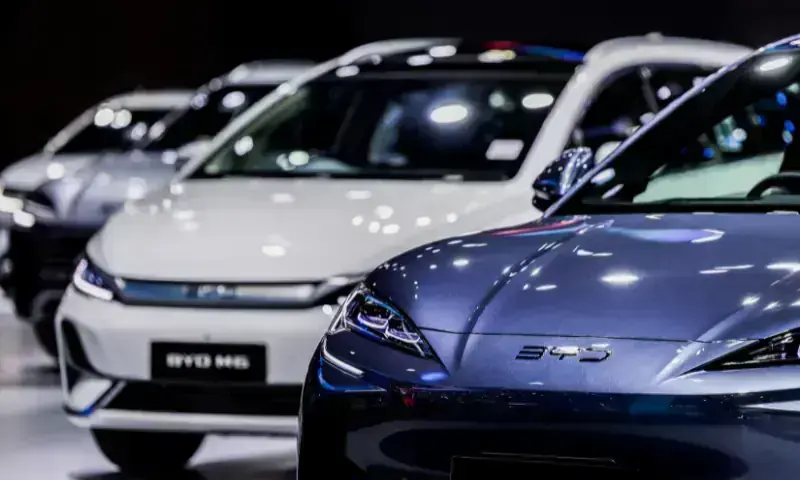
Hyderabad - The Federation of Pakistan Chambers of Commerce and Industry (FPCCI) has raised alarm over the increase in sales tax for hybrid vehicles from 8.5% to 25%, warning that this policy will harm consumers and damage the auto industry. Adeel Siddiqui, a member of the FPCCI Executive Committee, revealed that the tax concessions for hybrid vehicles expired on June 30 and the Federal Board of Revenue reinstated the general sales tax rate of 25% on hybrid and plug-in hybrid vehicles.
The auto industry is currently in turmoil as automakers have suspended production and halted invoice issuance due to uncertainty over the applicable sales tax rate. Siddiqui emphasized the importance of promptly notifying the new auto policy, as this suspension is affecting thousands of workers, vendors, and transporters, leading to job losses and wage reductions.
He also highlighted Pakistan's energy security concerns, as the country imports 80% of its petroleum products, making the shift to electric vehicles crucial for national security. Siddiqui attributed the policy to discouraging fuel-efficient vehicles and keeping the nation reliant on expensive imported fuel, ultimately hindering the progress of new-energy vehicle projects and investor confidence.
He questioned why the government was increasing taxes on hybrids, which are known for lower running costs and reduced fuel consumption, while considering tax relief for higher-priced vehicles. Siddiqui urged an immediate rollback of the 25% sales tax on hybrids or a reduction to 18% until the new auto policy is established, advocating for clear guidelines in the Auto Policy 2026-31 to bring stability to the sector.
He stressed the need for a phased transition to clean energy, emphasizing the importance of incentives tied to local manufacturing and technology transfer. Siddiqui firmly stated that the current policy is self-inflicted and will slow Pakistan's transition to fuel-efficient vehicles, increase fuel import costs, and hamper the auto industry at a time of recovery.
He emphasized the urgency to address these issues before further damage is done to Pakistan's automotive sector and energy security.
Written by urgent.news from Dawn Business's reporting — not their text. Machine-written — may contain errors; check the original before relying on it.