Delay in SAPS body camera rollout raises serious concerns about police accountability
Criticism mounts over the delayed rollout of body-worn cameras for SAPS, as experts and MPs highlight the impact on policing and accountability, urging the Ministry of Police to ensure transparency in procurement processes
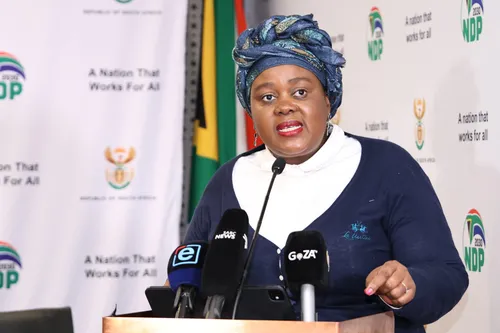
Critics are growing concerned over the delayed launch of body-worn cameras for South African Police Service (SAPS), with experts and politicians emphasizing the implications for policing and accountability. Acting Police Minister Professor Firoz Cachalia has been unable to provide a timeline for the rollout, despite promising it during the Police Budget Vote in July 2025.
Initially, SAPS announced a procurement process for body-worn cameras and vehicle dashboard cameras, aiming to acquire and deploy 450 body-worn cameras and 200 dashboard cameras during the 2025/26 financial year. These cameras were part of SAPS's broader modernization program that seeks to enhance operational effectiveness, investigative capacity, and public safety through technology such as drones and digital policing tools.
Despite these commitments made over a year ago, a definitive date for nationwide deployment of the cameras remains uncertain. The Democratic Alliance (DA) has criticized this delay, asserting that South Africans deserve a police force that is transparent, accountable, and properly equipped. DA National Council of Provinces member on the Select Committee on Security and Justice, Mzamo Billy, stated that the party will persist in advocating for the rollout, noting that acting Police Minister Cachalia confirmed that procurement is ongoing, but he cannot commit to a specific implementation date due to the incomplete tender process.
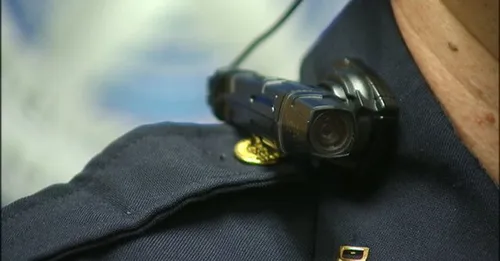
Body-worn cameras are small recording devices worn by officers on their uniforms and are designed to capture interactions and incidents from the officer's perspective. Their significance extends beyond mere recording of police operations; the footage could serve as an independent digital record in situations where accounts from police officers, suspects, witnesses, or members of the public contradict each other.
Independent forensic expert Calvin Peter Rafadi emphasized that the fight against crime requires the support of modern technology, including body-worn cameras for SAPS members. He pointed out that body cameras could provide crucial, objective evidence when allegations of police misconduct arise, especially given the contentious testimony heard during the Madlanga Commission.
Rafadi argued that such technology could aid the Independent Police Investigative Directorate (IPID) and other oversight bodies in establishing the facts when incidents involving police officers are disputed. He pushed for the Ministry of Police to ensure SAPS procurement processes are transparent, professional, and free from political interference, urging the ministry to remain committed to delivering promised crime-fighting resources to police officers.
DA MP Nicholas Gotsell, who has overseen SAPS facilities, warned that the delay in rolling out body-worn cameras is not an isolated procurement issue. Gotsell observed that it is part of a larger problem with SAPS's supply-chain system, which is increasingly becoming an operational threat to policing. He cited shortages of forensic rape kits in the Western Cape, where Family Violence, Child Protection, and Sexual Offences units lacked sufficient adult and pediatric rape kits.
Gotsell argued that a police service should not have to repeatedly face procurement emergencies before basic tools reach officers and victims. He stressed that body-worn cameras could be particularly beneficial in the Western Cape, where prior oversight work has uncovered allegations of police misconduct where establishing the exact events could be challenging.
Gotsell highlighted that cameras could protect law-abiding officers, provide evidence against those who are not, strengthen criminal investigations, and help rebuild public trust. However, he stressed that simply providing officers with cameras would not ensure accountability. Gotsell argued that any rollout needs mandatory rules governing when cameras must be activated, tamper-proof systems for uploading and storing footage, audit trails of how recordings are handled, minimum retention periods for footage, and consequences for tampering with cameras or recordings.
He also stressed that the storage and management of footage are crucial parts of any body-camera system, as mere presence of cameras without clear rules for activation, preservation, and access to recordings would not resolve disputes over police conduct. Gotsell urged Acting Police Minister Cachalia to clarify the timeline for camera deployment and to explain why SAPS's supply-chain management repeatedly fails to move essential policing equipment from procurement plans to the frontline.
He emphasized that SAPS cannot effectively combat 21st-century crime with a supply-chain system that continually fails the officers and victims it is supposed to serve.
Written by urgent.news from IOL's reporting — not their text. Machine-written — may contain errors; check the original before relying on it.