Commentary: Are perceptions of university prestige changing as Asian institutions rise up the ranks?
University rankings are shifting, but they do not automatically rewrite long-held beliefs about what a “good” university looks like, says mum writer June Yong.
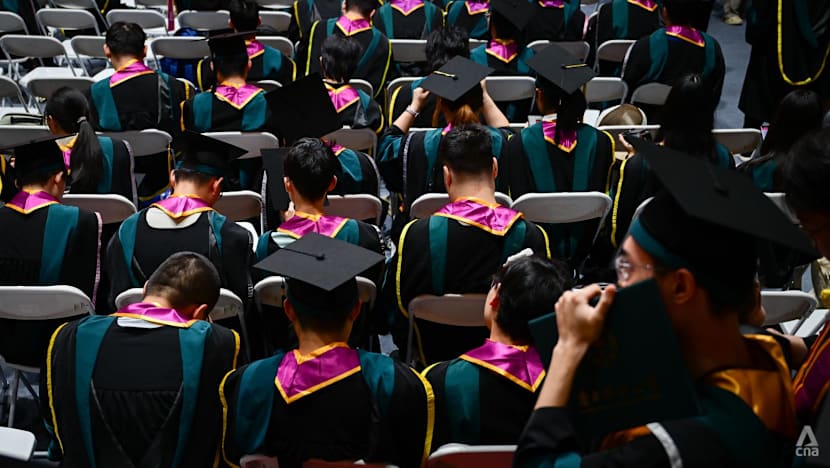
Every year, the release of global university rankings sparks a familiar mix of celebration, anxiety and comparison among students and their parents. The latest QS rankings continue to highlight the rise of Asian universities, particularly within the top 200. China, Hong Kong and South Korea have made significant gains, while Singapore has maintained a strong position with two universities in the top 12.
However, for older generations, prestigious names like Oxford, Cambridge and Ivy League schools still hold significant symbolic weight that extends beyond rankings. Today's students are entering a different higher education landscape, and top universities in Asia are gaining global recognition, offering robust academic programs, industry connections and access to fast-growing regional economies.
For Evelyn Tan, a mother of two, rankings played a role when her daughter selected universities. Her daughter focused exclusively on universities within the top 50 of the QS rankings, which predominantly consisted of Western institutions. While rankings can signal global shifts in educational quality, they do not automatically rewrite long-held beliefs about what constitutes a "good" university.
The appeal of highly ranked Western institutions like MIT, Harvard and Oxford remains understandable to many parents, who appreciate the strong teaching staff and students found at these institutions. However, for local universities, ranking is less relevant as all major names have a comfortable standing. Parents often prioritize prestige, stability and future security, while their children may focus more on personal development and their desired lifestyle.
Balancing parental guidance with teen autonomy can be challenging, as it is a period of identity formation and self-discovery for young people. Parents often provide valuable experience, financial resources and a long-term perspective, but it is crucial to avoid confusing guidance with direction. In such cases, parents should support their children by offering views while allowing them the room to think, question and arrive at their own conclusions.
Written by urgent.news from Channel News Asia's reporting — not their text. Machine-written — may contain errors; check the original before relying on it.
This story
This is one outlet's version. Read the fullest account.