Chinese brain-reading AI model may help predict depression risk 4 years in advance
Chinese scientists have developed an AI model they say could be used to predict the risk of depression up to four years in advance. Major Depressive Disorder affects over 332 million people worldwide, according to the researchers at Shenzhen University, and is notoriously difficult to treat. The ability to predict the risk of depression and take preventive measures could prove a significant…
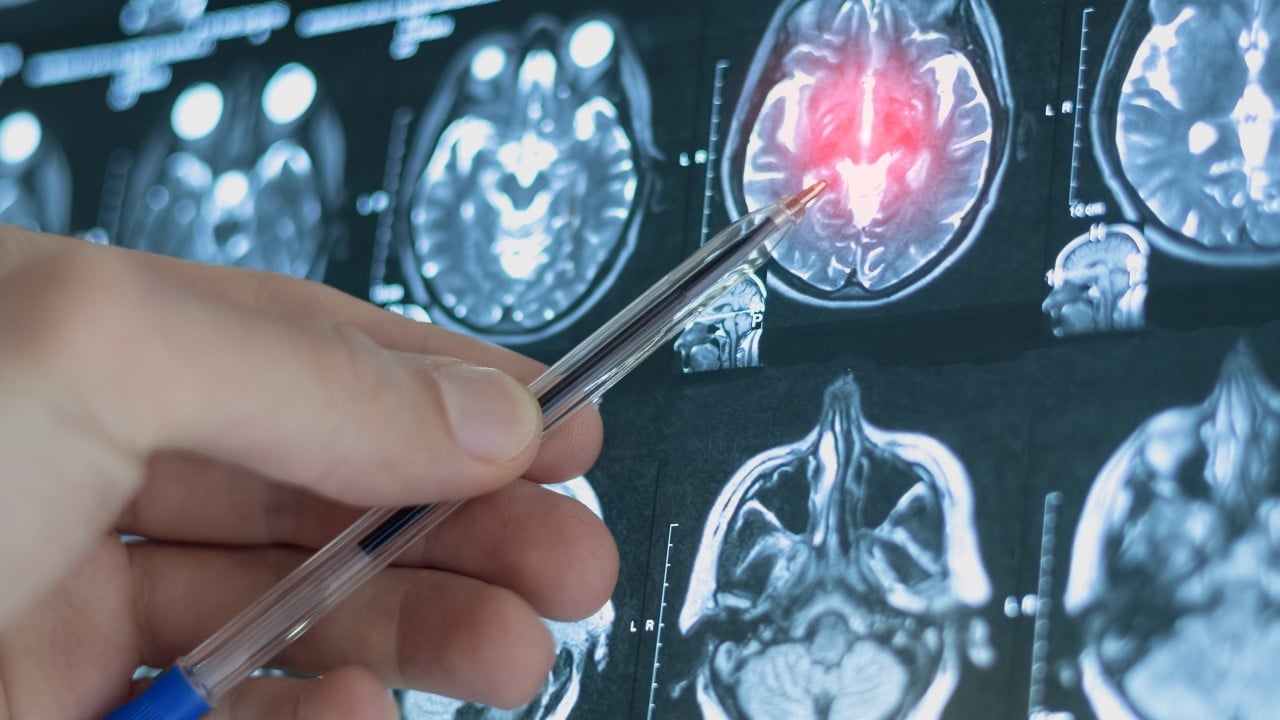
Researchers from Shenzhen University in China have created an artificial intelligence model capable of predicting the risk of Major Depressive Disorder up to four years prior. Depression affects more than 332 million individuals globally and poses a significant challenge in treatment. By analyzing data from two clinical trials involving adolescent depression in several European countries, the Chinese team designed a model that could detect depression risks.
The model was tested on the participants' responses to emotional stimuli, such as facial expressions, and their corresponding brain signal reactions. People without depression are typically able to differentiate emotional changes in others' facial expressions, like responding warmly to a smiling face. In contrast, individuals with depression are more likely to misinterpret these expressions as anger.
The team's findings suggest that "deficient emotional processing" is a key characteristic of depression, and individuals with the disorder often assume the worst in others. The research, published in Science Advances, indicates that brain activity patterns of those who struggle to distinguish facial emotions tend to develop depression and anxiety later in life.
A deep learning model was subsequently developed to predict how the brain encodes abstract emotions, revealing that 19-year-olds with skewed responses to negative emotions or memories are at higher risk of depression. When applied to a second trial, the model confirmed its accuracy in identifying those with Major Depressive Disorder, while showing no significant differences in patients with other mental health issues.
Written by urgent.news from Reuters Business via SCMP's reporting — not their text. Machine-written — may contain errors; check the original before relying on it.
This story
This is one outlet's version. Read the fullest account.