Chinese brain-reading AI model may help predict depression risk 4 years in advance
Chinese scientists have developed an AI model they say could be used to predict the risk of depression up to four years in advance. Major Depressive Disorder affects over 332 million people worldwide, according to the researchers at Shenzhen University, and is notoriously difficult to treat. The ability to predict the risk of depression and take preventive measures could prove a significant…
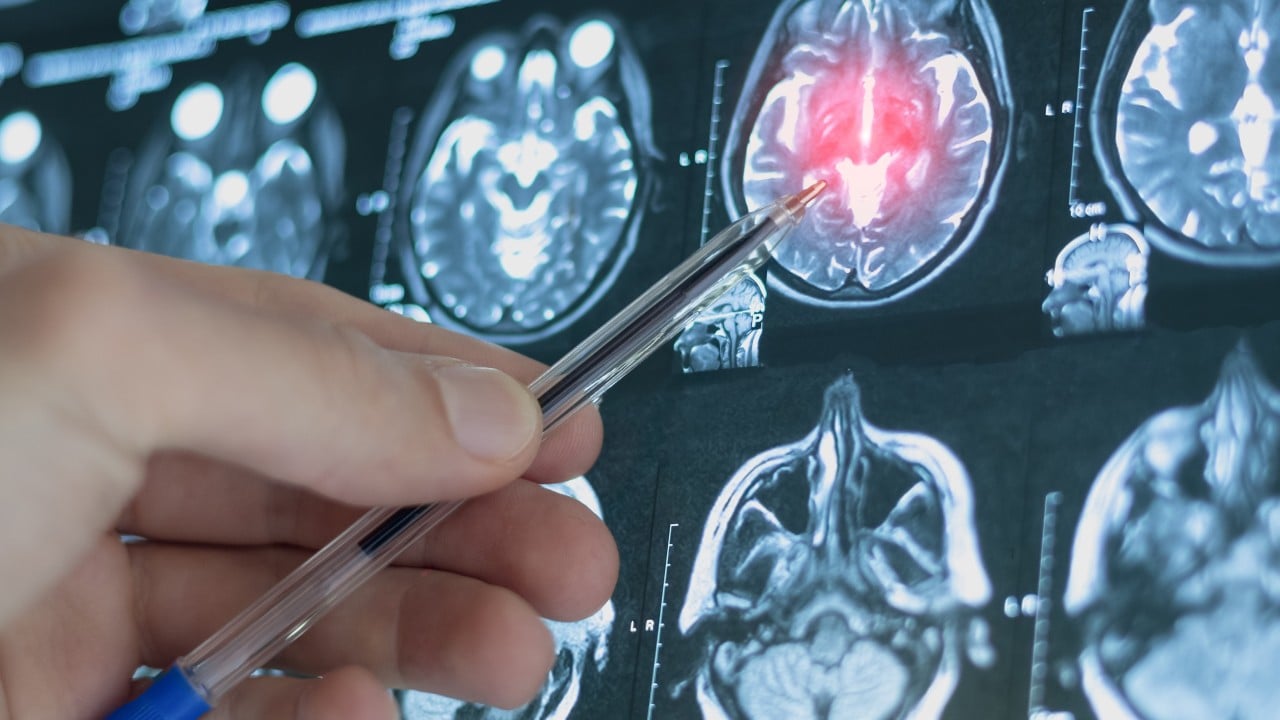
Chinese researchers have designed an AI model that could forecast the likelihood of developing depression up to four years ahead. Major Depressive Disorder impacts more than 332 million individuals globally, presenting significant treatment challenges. By predicting the risk and implementing preventive measures, this technology may offer substantial public health advantages.
The AI was constructed using data from two clinical trials involving adolescent depression, conducted in various European nations. Participants underwent follow-up examinations at 16, 19, and 23 years old, which included MRI scans, blood tests, and questionnaires to identify any signs of depression.
Utilizing this data, the Chinese team developed an artificial intelligence model capable of identifying depression risks. Researchers were able to pinpoint individuals likely to experience depression by the age of 23 when they were just 19 years old. To create the model, they examined the participants' responses to images, such as facial expressions, as well as their brain signal reactions.
People without depression typically distinguish emotional changes in others' facial expressions and react accordingly, such as showing friendliness to a smiling face. However, those with depression often misinterpret situations, perceiving anger where none exists.
Lu Han, an associate professor at Shenzhen University's School of Artificial Intelligence, noted that "deficient emotional processing is a hallmark feature of depression," with individuals experiencing depression displaying behaviors like "always assuming the worst in others." The study, published in Science Advances, emphasizes the importance of early detection and preventive interventions.
Known as Imagen, the main study observed a group of adolescents from four European countries between 2007 and 2011, focusing on the progression of depression. Brain scans were conducted on the teenagers while they observed images of angry, happy, and neutral faces. Following the analysis, Lu's team discovered that participants whose brains struggled to differentiate between different emotional expressions and tended to perceive others as angry had a significantly higher risk of developing depression and anxiety later in life.
Building on these findings, the researchers developed a deep learning model that simulates how the brain processes visual information to predict how the brain encodes abstract emotional concepts like anger. They discovered that 19-year-olds who had skewed responses to facial expressions, favoring negative emotions or memories, were most likely to develop depression.
Applying this marker to a second trial, Stratify, which compared depression with other mental disorders like alcoholism, binge eating, or drug abuse, revealed that among over 400 adolescents, only those diagnosed with major depressive disorder had abnormal readings. However, the results for patients with symptoms like addiction, anorexia, and bulimia showed minimal differences from those without any mental health issues.
Written by urgent.news from South China Morning Post's reporting — not their text. Machine-written — may contain errors; check the original before relying on it.