Castro-style capitalism: Havana promises economic changes without relinquishing political control
Economists and business leaders argue that Cuba cannot build a new economy without institutional reform, something the island’s government appears unwilling to negotiate
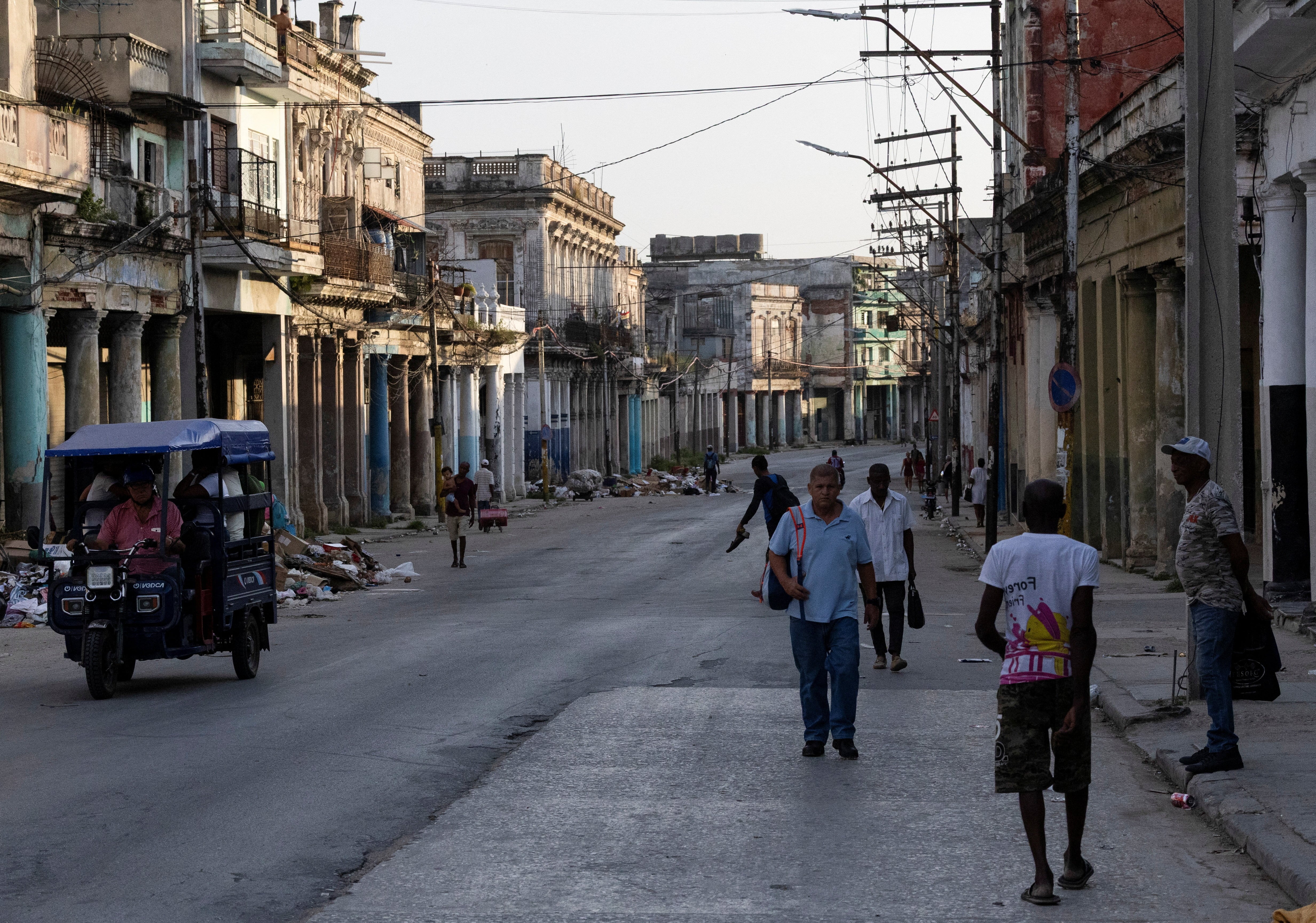
Cuba, grappling with the most challenging period in recent history, has announced plans for significant economic changes without relinquishing its political control. President Miguel Díaz-Canel admitted that the decision was painful because it goes against the principles with which he was educated. The reforms include granting greater autonomy to state-owned companies, allowing foreign investment in the private sector, giving companies more flexibility in setting wages, and opening the country to domestic and foreign private capital in sectors such as energy.
The government claims these measures are necessary to "save the Revolution" and appease the United States, which has tightened its economic sanctions. However, officials insist that the reforms are not a turn towards capitalism but an update of the socialist model. Economist Ricardo Torres describes the reforms as "genuine symbolic and practical breaks with key pillars of the traditional socialist model."
Written by urgent.news from El Pais English's reporting — not their text. Machine-written — may contain errors; check the original before relying on it.