Why US Indo-Pacific ‘burden sharing’ risks deepening polarisation and big power rivalry
The US push to promote “burden sharing” among its allies in the Indo-Pacific has seen it focusing on increasing its military capacity while lowering the political temperature in an effort to reassure its allies. But some analysts have questioned its chances of succeeding, arguing that this deterrence strategy has intensified great power rivalry and polarisation in the region, while driving deeper…
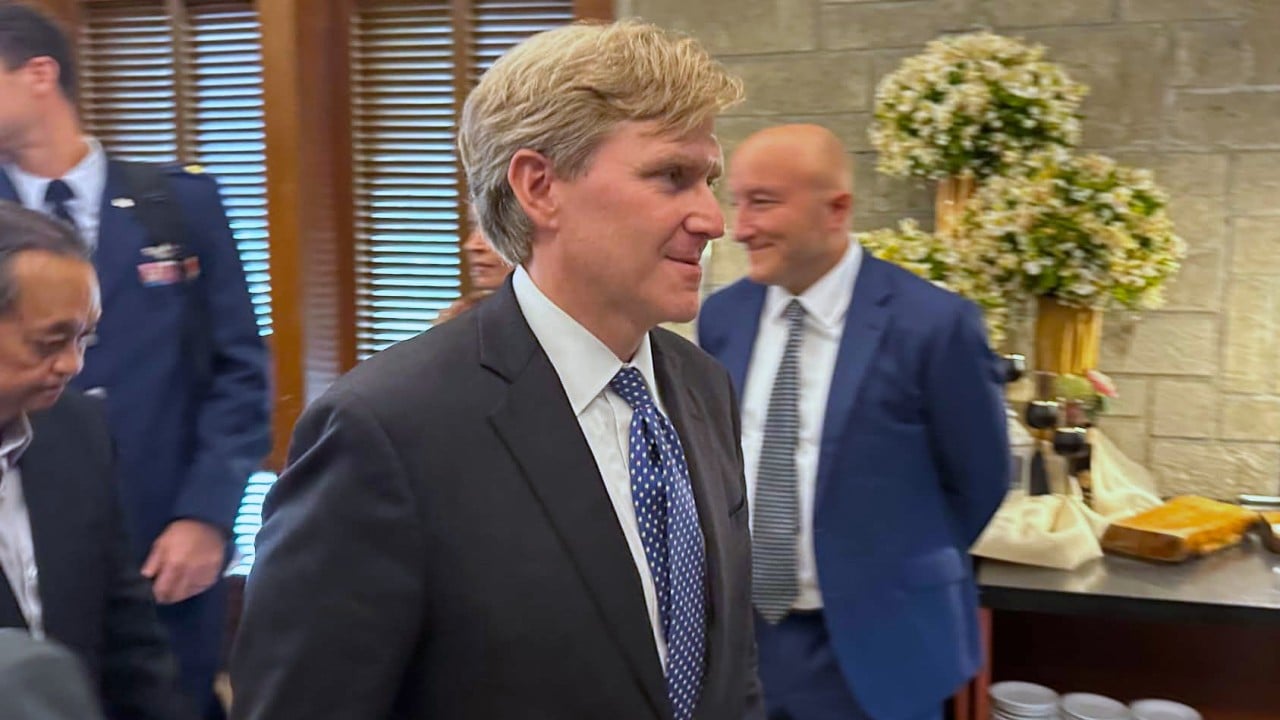
The United States' attempt to share the burden of security among its allies in the Indo-Pacific has raised concerns among analysts. While the goal is to reduce political tensions and reassure allies, some argue this deterrence strategy has instead intensified regional rivalries and polarization. During a recent tour, defense undersecretary for policy Elbridge Colby emphasized that the US seeks partners, not protectorates, and is encouraging allies to increase their defense spending.
Colby's visit to Southeast Asian nations such as Thailand, Indonesia, and Cambodia aimed to strengthen security ties and improve capabilities in air defense, anti-ship operations, and reconnaissance. However, some experts caution that this approach may drive deeper cooperation between China and Russia on the one hand, and Russia and North Korea on the other.
Colby avoided mentioning China, but analysts suggest his stance may be seen as a sign of reduced political pressure, potentially mitigating the security dilemma and lowering the risk of crisis escalation. The US' shift towards an alliance-centered deterrence model is seen as a way to maintain regional dominance at a lower cost, despite challenges such as the sustainability of military investment, diverging strategic interests, and varying levels of concern for containing China.
As the US and its allies increase joint military exercises in the region, concerns grow over the potential for major power competition and bloc confrontation, driven by deeper ties between China and Russia, Russia and North Korea, and China and North Korea.
Written by urgent.news from Reuters Business via SCMP's reporting — not their text. Machine-written — may contain errors; check the original before relying on it.
This story
This is one outlet's version. Read the fullest account.