Why US Indo-Pacific ‘burden sharing’ risks deepening polarisation and big power rivalry
The US push to promote “burden sharing” among its allies in the Indo-Pacific has seen it focusing on increasing its military capacity while lowering the political temperature in an effort to reassure its allies. But some analysts have questioned its chances of succeeding, arguing that this deterrence strategy has intensified great power rivalry and polarisation in the region, while driving deeper…
The United States' strategy of promoting "burden sharing" among its allies in the Indo-Pacific region has been criticized by some analysts. The approach involves increasing the US military capacity while lowering political tensions to reassure allies. However, this deterrence strategy has reportedly intensified great power rivalry and regional polarization.
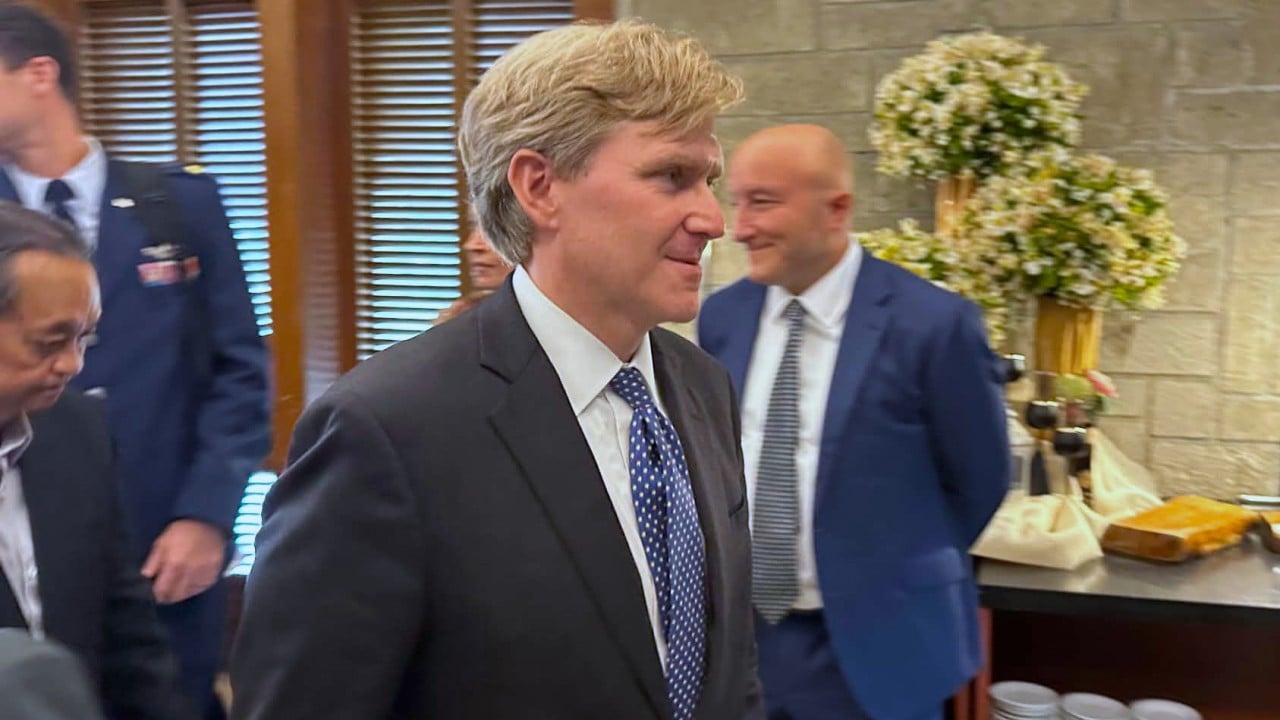
At the same time, it has fostered deeper bilateral cooperation between China and Russia, as well as Russia and North Korea. During a recent tour of Southeast Asia, US defence undersecretary for policy Elbridge Colby emphasized the need for allies to boost defence spending and improve their capabilities for air defense, anti-ship, and reconnaissance operations.
He also sought to deepen security ties with each nation, promising to maintain security guarantees while expecting allies to enhance their ability to conduct operations. Colby's strategy aims to make Washington's approach more acceptable to risk-averse Southeast Asian countries who seek enhanced security cooperation with the US but resist being forced to pick sides between Washington and Beijing.
Nonetheless, the US is facing structural constraints, including the sustainability of its military investment, diverging strategic interests, and varying appetites for containing China. China's ties with Russia are growing closer, with regular joint exercises and increased cooperation in air and sea patrols. Meanwhile, Russia and North Korea have also bolstered their defense ties.
China has sought to improve relations with North Korea, with President Xi Jinping visiting the country in June. The US-China strategic rivalry has deepened, with the US and its allies along the Asia-Pacific frontline deploying a more targeted military deterrence posture. This has heightened China's vigilance and defensive precautions, driven China-Russia strategic coordination, and strengthened alliance-style cooperation between Russia and North Korea.
However, it is important to note that Beijing has no intention of engaging in bloc confrontation with Washington.
Written by urgent.news from South China Morning Post's reporting — not their text. Machine-written — may contain errors; check the original before relying on it.