Why the world’s second-largest Bitcoin mining power is shutting down rigs in its capital city
The Energy Ministry enacted the year-round restriction to mitigate power capacity shortages, as energy-intensive mining facilities continue to strain regional grids.
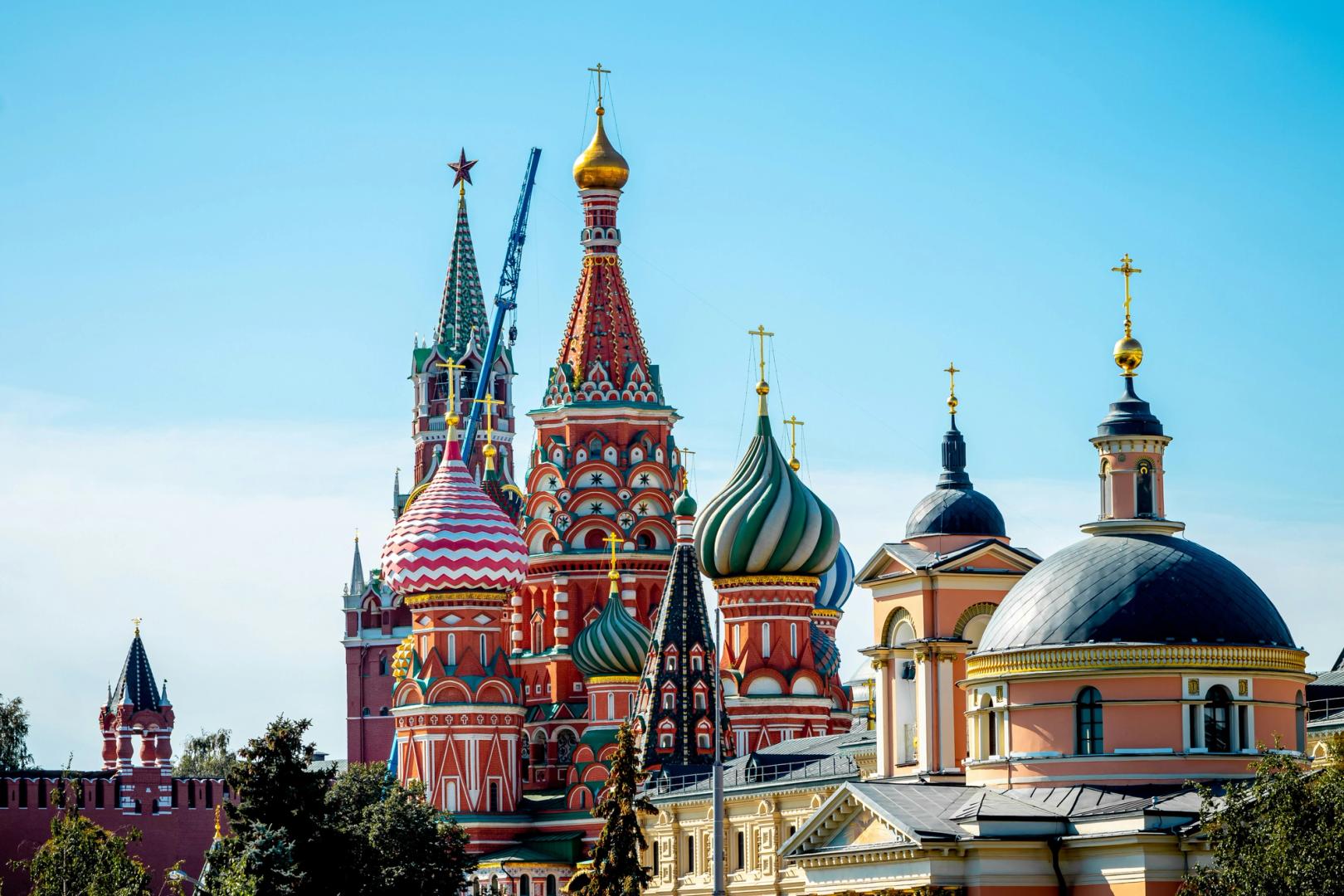
A major player in global Bitcoin mining, located in Russia's capital city, is shuttering its operations in response to new government restrictions. The decision comes after Moscow, Moscow Region, and certain areas of Kursk were placed under a mining ban through December 31, 2032. The measure, enacted under decree No. 936, not only prohibits domestic mining activities but also participation in crypto mining pools.
Russia, as a whole, contributed 16.4% of Bitcoin's global computing power in the first quarter, according to Luxor's Hashrate Index, placing it second only to the United States. However, it remains unclear how much of that capacity was concentrated in the recently restricted region. The Energy Ministry cited the need for year-round restrictions to prevent power-capacity shortages, as mining operations can consume up to 1 gigawatt of power within the Moscow system.
By 2032, the region's data centers could reach a capacity of 3.6 gigawatts, equivalent to 17% of peak demand. The ban is also linked to Russia's Western sanctions, with Russian companies previously using domestically mined Bitcoin for international transactions to circumvent restrictions imposed by the U.S. Treasury. The Treasury sanctioned BitRiver and 10 of its subsidiaries in 2022 for allegedly aiding Russia's monetization of energy resources through mining.
Despite the ban on domestic crypto payments, a July parliamentary law retained exceptions for foreign-trade settlements and transactions involving mined cryptocurrency, ensuring its continued use under restrictive payment channels.
Written by urgent.news from CoinDesk's reporting — not their text. Machine-written — may contain errors; check the original before relying on it.