What Bessent’s economic isolation of Iran could look like
The main challenge is that targeting the remaining options risk blowback on the US economy.
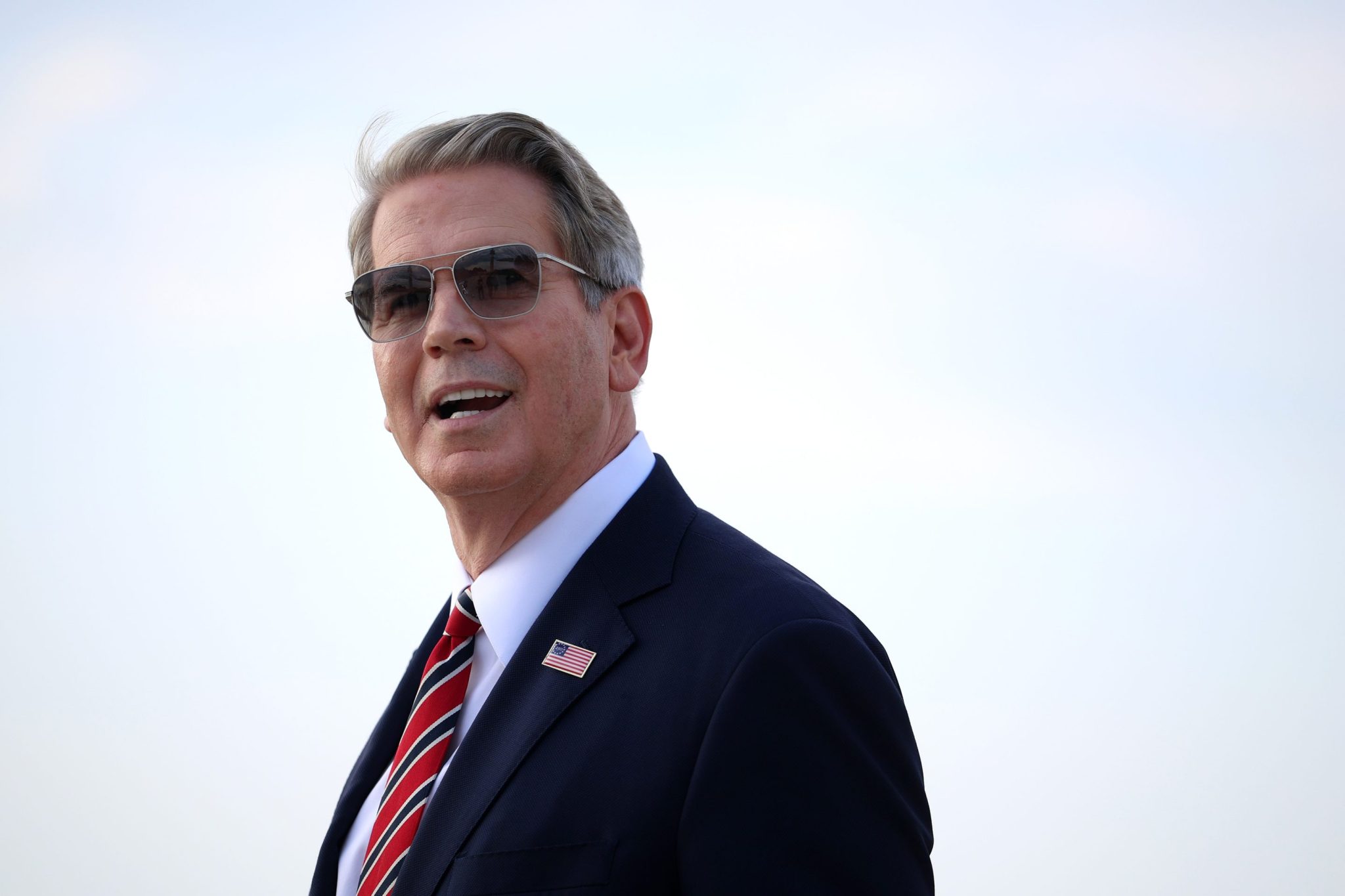
The United States' Treasury Secretary, Scott Bessent, is contemplating an extensive economic blockade against Iran, a strategy met with skepticism due to Iran's existing blockade and extensive sanctions. While the Trump administration has not disclosed its plans, there are still areas of pressure that Bessent's Treasury Department could target, albeit with risks to the US economy.
Analyst Chris Kennedy of Bloomberg Economics suggests that unless the administration prioritizes addressing the Iran threat above all other issues, particularly China, the measures may not significantly alter Iran's strategic considerations.
Several potential measures are conceivable. These include targeting China's role in Iran's oil trade, making use of intermediaries for Iranian currency exchanges, broadening secondary sanctions against entities engaging with Iran, and seizing Iranian assets under US jurisdiction. However, these approaches come with uncertainties and uncertainties about their impact.
For instance, hitting Chinese companies could strain relations with Beijing and potentially increase oil prices due to reduced supply. Sanctioning exchange houses might limit Iran's access to funds, but Iran has long established alternative channels. Extending sanctions to foreign trading partners could intensify leverage but may also affect US allies.
Lastly, seizing assets held in the US is a legally and diplomatically complex option, given Iran's extensive wealth held overseas.
Written by urgent.news from Fortune's reporting — not their text. Machine-written — may contain errors; check the original before relying on it.
Also reported by 1 other outlet
- What Bessent’s economic isolation of Iran could look like japantimes.co.jp