Why do cats yowl?
Understanding a cat’s yowl requires looking beyond the noise to the behavior and emotions behind it.
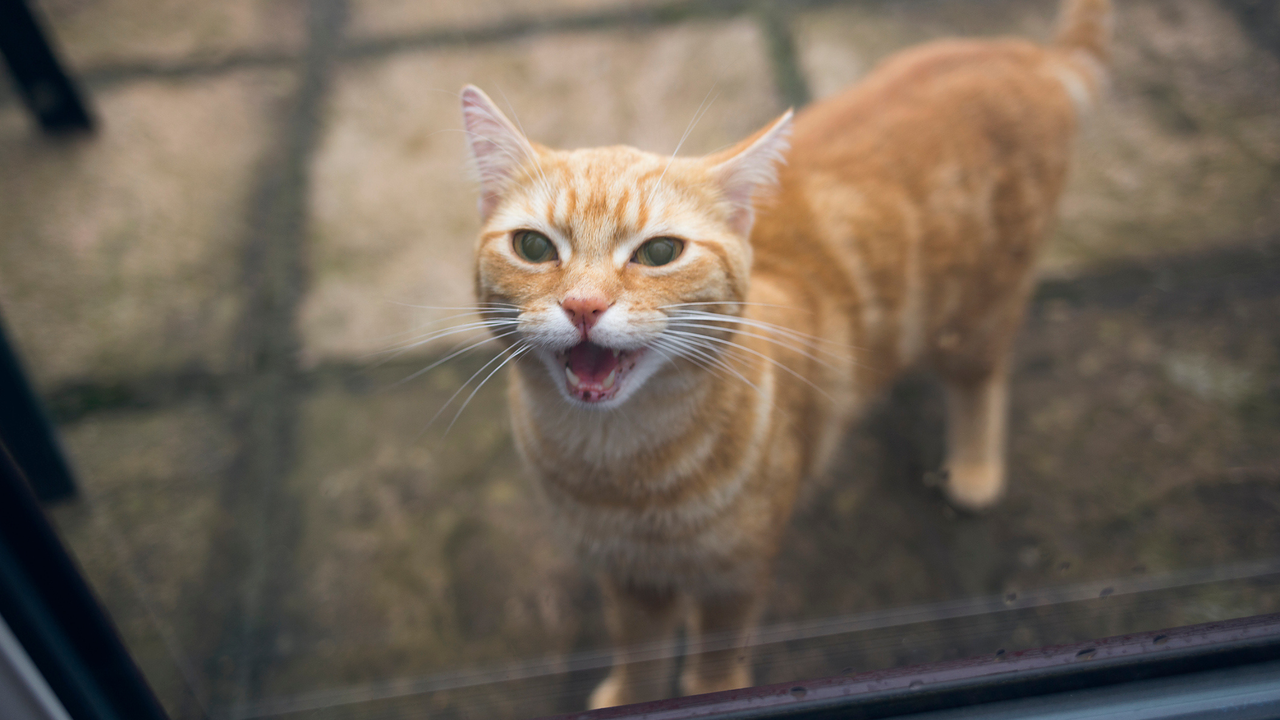
Many cat owners might be perplexed by the seemingly incessant yowling their feline companions engage in, especially during the night. The reason behind this behavior is not as straightforward as food cravings or dramatic displays. The term "yowl" encompasses a range of vocalizations that can signify various emotions and situations.
Veterinary professionals generally associate the term with loud, harsh sounds linked to aggression or mating between cats. However, pet owners often use "yowling" to describe any loud cry their cat makes at home.
The intensity and negativity of a cat's yowl can serve as a powerful indicator of its emotional state. This type of vocalization is akin to an alarm bell, signaling a strong negative emotion. It is believed that this ancient warning system predates domestication and is also present in the African wildcat, the closest living relative of the domestic cat.
The yowl serves an essential function in establishing and defending territory, which is tied to food, safety, and mating opportunities. Animals have evolved these loud, unmistakable signals to defend their territories without resorting to physical confrontations every time.
Cats may also yowl in response to fear, conflict, or distress. These situations can include encounters with rival cats, stressful events such as trips to the veterinarian, or conflicts within the household. Female cats in heat and males competing for mates may also produce loud yowls. While humans may interpret these cries as the cat "screaming," researchers suggest they are better understood as expressions of profound emotional distress.
Sometimes, the vocalization is directed at another individual, while other times it is an outward expression of the cat's emotional state, not necessarily a plea for help.
Interestingly, cats have learned that humans are highly responsive to their vocalizations. Adult cats rarely meow to one another in natural settings; instead, they reserve meowing for communication with their mothers and kittens. Domestic cats have retained this juvenile behavior into adulthood and redirected it toward people. The domestic cat's meow has become softer over generations, potentially due to its similarity to a human infant's cry, making nearby humans more inclined to respond.
Cats have become adept at shaping human behavior, learning that meowing can garner attention and elicit a response from their owners. This learned behavior may explain why some cats yowl more frequently, not out of annoyance but because they have learned that their vocalizations produce the desired result.
Written by urgent.news from Live Science's reporting — not their text. Machine-written — may contain errors; check the original before relying on it.
Also reported by 1 other outlet
- Why do cats yowl? r.smartbrief.com