We've been eclipsed: NASA photographers share stellar images from this week's solar event –and there's at least one Easter egg that's worth discovering
NASA has updated its eclipse gallery with shots snapped during this week's total coverage of the Sun – and they contain some hidden details waiting to be revealed
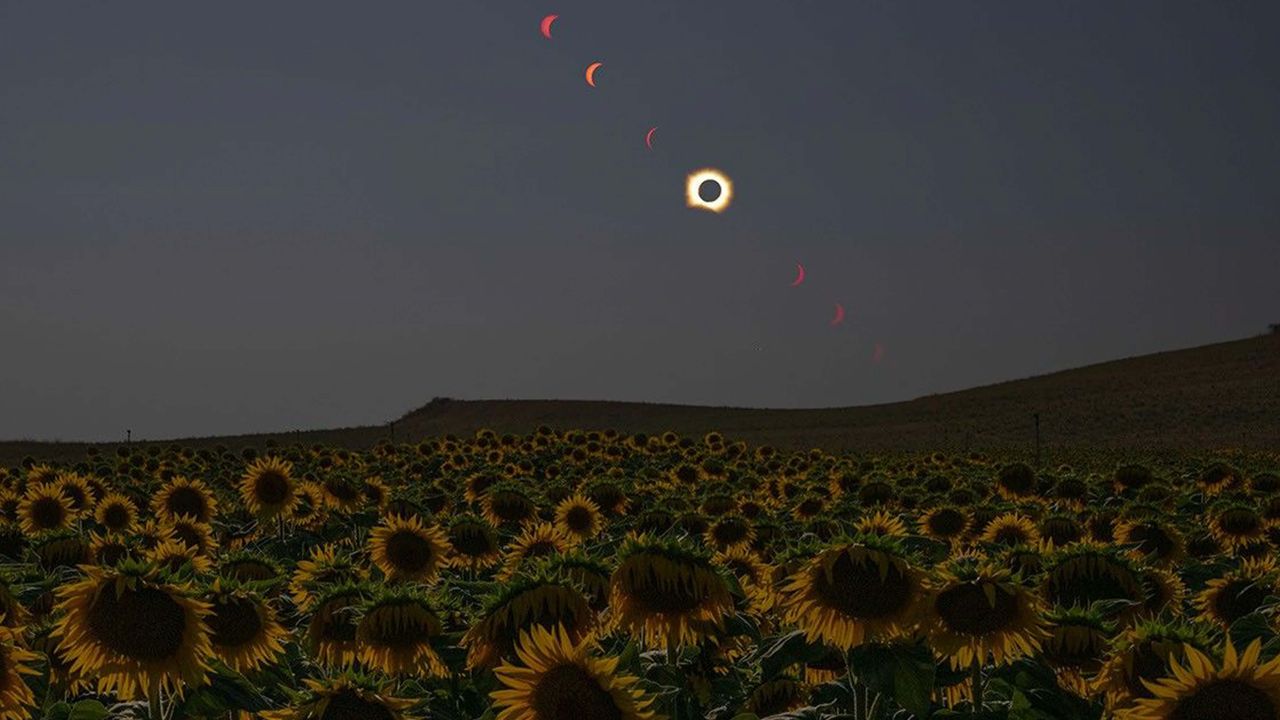
The 2026 total solar eclipse has concluded, but NASA photographers have shared some breathtaking images from the celestial event, allowing us to relive the awe-inspiring experience. Among the photographers, Bill Ingalls and Joel Kowsky stood out with their exceptional shots.
Ingalls, NASA's senior photographer for Headquarters, captured a striking composite image near San Millán de los Caballeros, a small village in northern Spain. This area experienced a full eclipse, the first in over a century, unlike other European locations like the UK and France which witnessed a near-total eclipse. In his photograph, Ingalls creatively incorporated landscape elements like sunflowers in the foreground, transforming the classic eclipse shot into a captivating scene.
Another standout from Joel Kowsky, NASA's photographer based in Maine, USA, shows the International Space Station (ISS) passing directly between the Earth and the Sun. This phenomenon, known as a solar transit, happens in mere fractions of a second, typically between 0.5 to 1 second, as the station travels at approximately 5 miles per second. Kowsky's timing in capturing this fleeting event near Hodgdon, Maine, is commendable.
Ingalls' final photograph, reminiscent of the typical eclipse compositions, reveals solar flares emanating from the Sun's corona along the Moon's edge. These flares, visible practically around the entire silhouetted Moon, add a spectacular touch to what could have been a standard eclipse photo. Ingalls masterfully showcases these details, enhancing the overall appeal of the image.
Written by urgent.news from Digital Camera World's reporting — not their text. Machine-written — may contain errors; check the original before relying on it.