The Planet That Lied About Its Own Spin
A new study warns that astronomers measuring the rotation of distant exoplanets may often be measuring atmospheric winds instead, since the clouds of Venus circle the planet roughly 60 times faster than Venus itself actually spins. Kane proposes using multi-wavelength observations to correct for this, work that will matter enormously once the European Space Agency's PLATO mission launches in 2027…
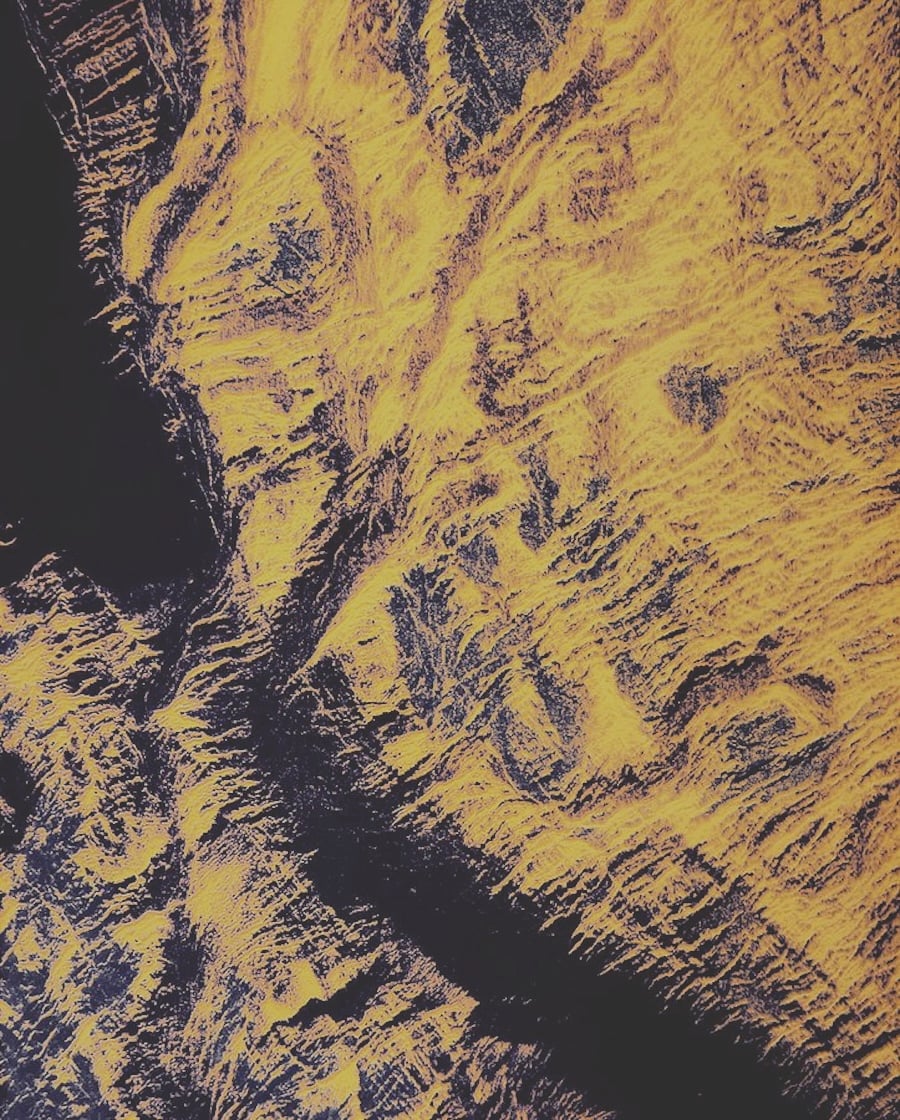
A recent paper published by Stephen Kane and colleagues at the University of California, Riverside, reveals a significant mistake once made in research about Venus, one of our closest planetary neighbors. Venus takes 243 Earth days to complete a full rotation on its axis, which is among the slowest rotations in the entire Solar System.
However, observations of its clouds suggest a much faster spin, occurring in just about four days, a phenomenon known as super rotation. This discrepancy, nearly two orders of magnitude, arises from measuring the wrong layer of the atmosphere. The upper atmosphere of Venus moves rapidly around the planet, making the entire planet appear to spin roughly sixty times faster than it actually does.
This new research, authored by Kane, highlights the importance of rotation in planetary science, as it influences heat distribution, weather systems, and interactions between the atmosphere and oceans. Detecting rotation rates of exoplanets is challenging, as most are too distant to observe their solid surfaces directly. Instead, astronomers often rely on studying their atmospheres, which can lead to confusion between wind speeds and rotation.
Kane's study proposes a solution by suggesting that observing planets across multiple wavelengths, including infrared, can penetrate deeper into the atmosphere and provide a more accurate measure of rotation. This method is particularly useful for Venus, where wind speeds decrease closer to the surface. The European Space Agency's upcoming PLATO mission, set to launch in March 2027, will help resolve this issue by potentially discovering several hundred Venus-like exoplanets.
These findings will allow scientists to compare various exo-Venuses, providing valuable insights into the discrepancies between the predicted and observed rotation rates of these worlds. Understanding the rotation of planets, including those beyond our Solar System, is crucial for developing accurate climate models and identifying potentially habitable exoplanets.
Written by urgent.news from Universe Today's reporting — not their text. Machine-written — may contain errors; check the original before relying on it.