Researchers warn Ghana’s coastal erosion could worsen
Ghana’s coastline is coming under increasing pressure, with researchers warning that erosion could accelerate in the coming years as sediment discharge from the Volta River continues to decline.
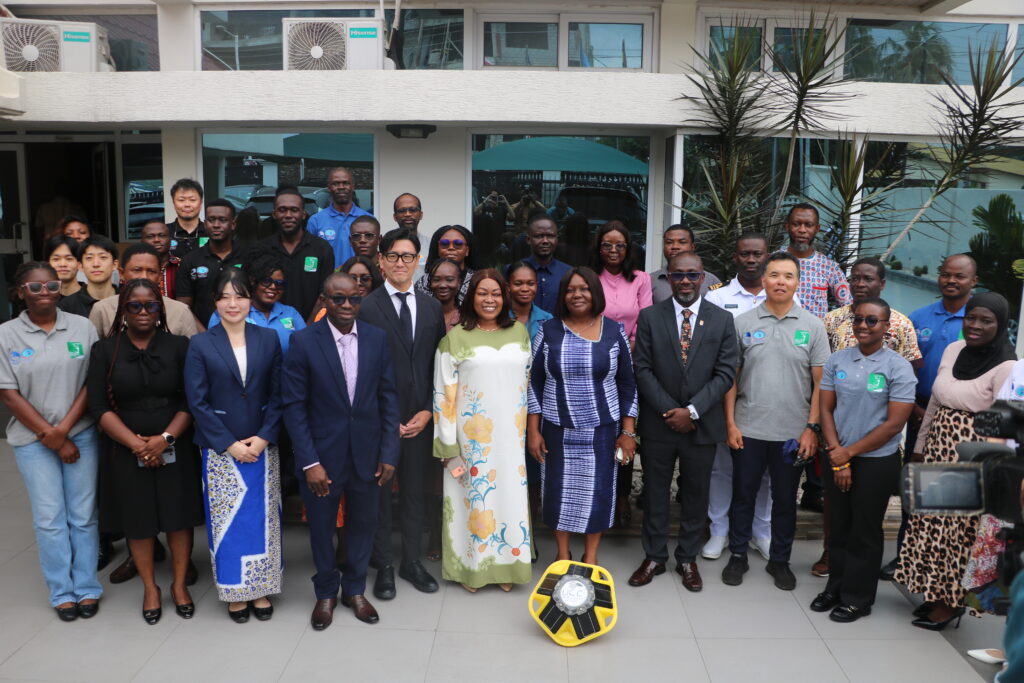
Ghana's coastline is facing mounting challenges, according to researchers who predict that erosion could worsen in the near future due to a decline in sediment discharge from the Volta River. This warning follows the preliminary findings of the Integrated Sediment and Environmental Management Project, a five-year initiative supported by the Japan International Cooperation Agency and led by the University of Cape Coast.
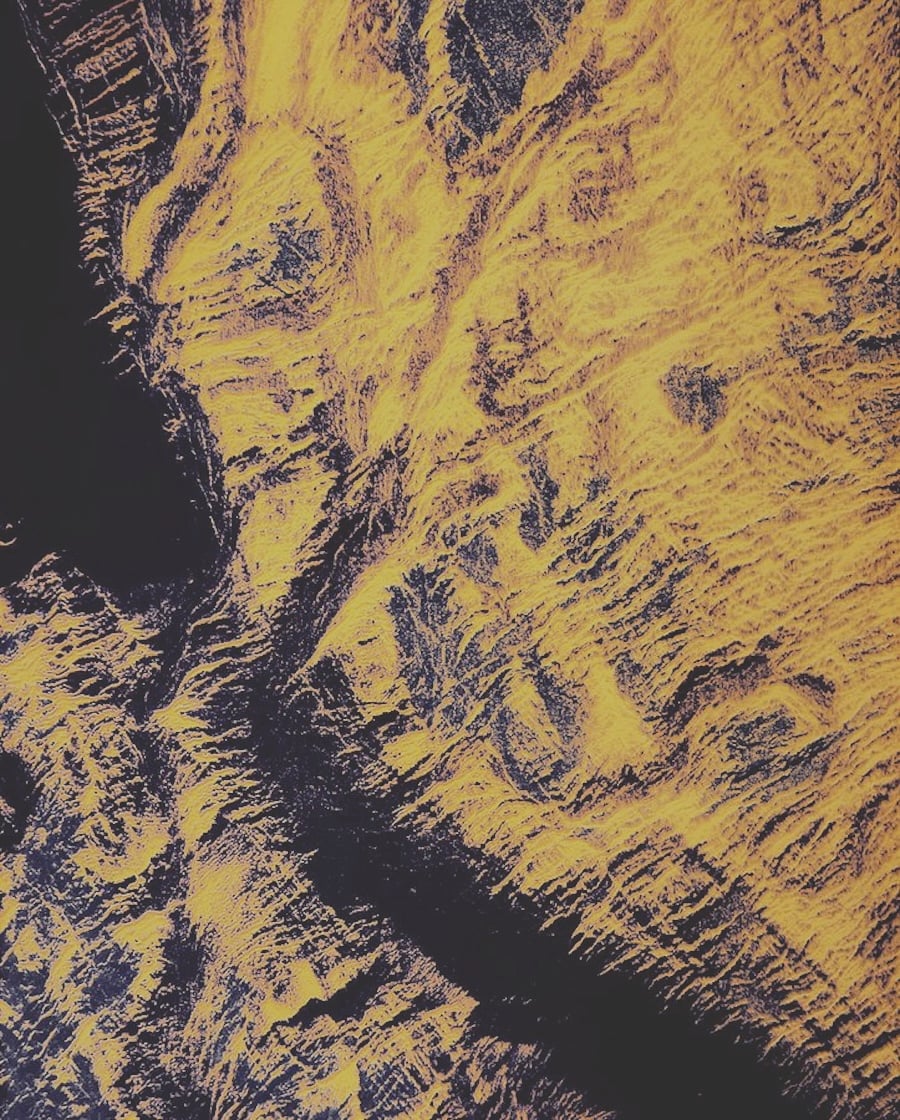
Using advanced monitoring tools like satellite data, cameras, drones, and wave sensors, researchers have been studying shoreline changes, sediment movement, and coastal hazards over the past two decades. The Volta River and Densu Delta areas have been identified as particularly vulnerable to coastal erosion. Observations have shown significant beach loss, with up to 10 meters of shoreline disappearing at Dzita within just two months.
Professor Yoshimitsu Tajima, a lead researcher from the University of Tokyo, highlights that the dwindling sediment from the Volta River could exacerbate the situation, potentially accelerating shoreline retreat in the coming years. Vice Chancellor of the University of Cape Coast, Professor Dennis Aheto, emphasizes that the project will provide robust scientific evidence to aid in making informed coastal management decisions.
With additional equipment, researchers will be able to measure vital parameters such as wave heights, erosion extent, bathymetry, salinity, and other marine and ecological conditions. Ultimately, the project aims to develop predictive systems that can guide the implementation of appropriate short and long-term measures to safeguard Ghana's coastline.
Written by urgent.news from MyJoyOnline Ghana's reporting — not their text. Machine-written — may contain errors; check the original before relying on it.