The Girl Who Changed Everything: How Lisbeth Salander Redefined The Female Heroine In Modern Crime Fiction
It was in August 2005 that the world of readers discovered a new heroine, like no other they had encountered before. Swedish writer Stieg Larsson created Lisbeth Salander in a book titled The Girl With The Dragon Tattoo in its English translation. The product of a traumatic past and horrific abuse, Lisbeth grew up to be both physically and mentally tough. She is a genius-level tech wizard and a…
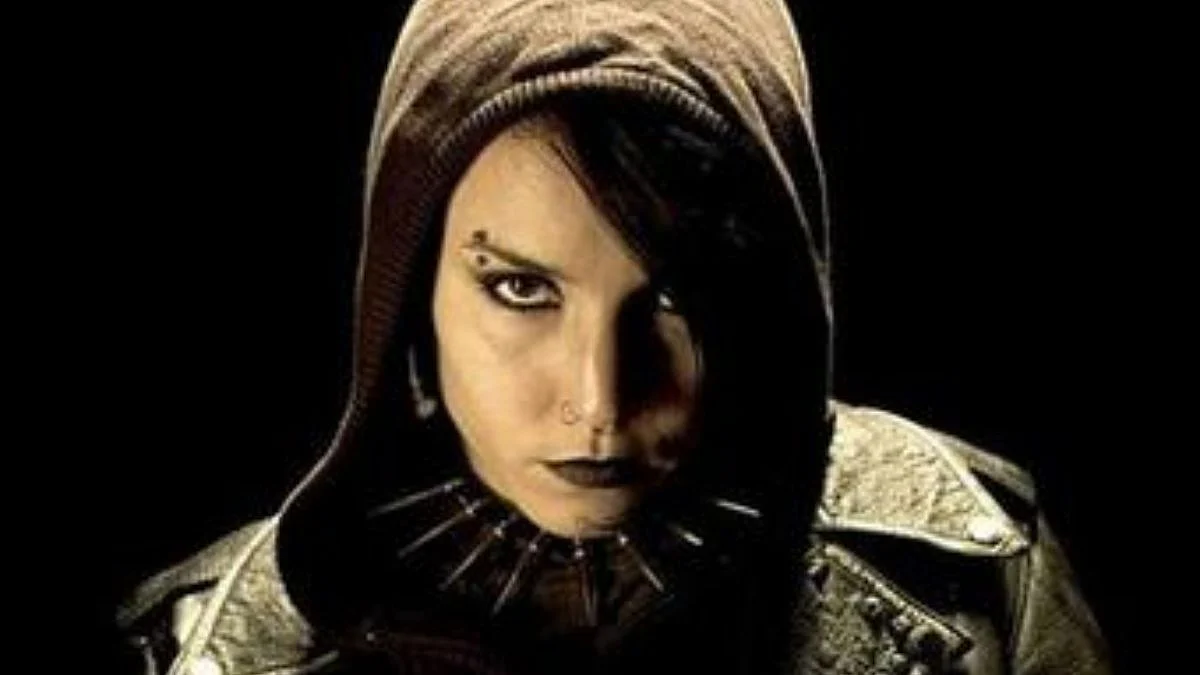
In August 2005, readers were introduced to a groundbreaking heroine in Swedish author Stieg Larsson's novel, "The Girl with the Dragon Tattoo." Lisbeth Salander, a character born from a history of trauma and abuse, emerged as a complex and formidable figure. Known for her exceptional technical skills and martial arts expertise, Salander preferred solitude and an air of detachment.
Her only connection was with a seasoned journalist, Mikael Blomkvist, and she engaged in intimate relationships with no intention of love or commitment.
The book became a global sensation, garnering a legion of devoted fans. Larsson penned two additional Salander novels, "The Girl Who Played with Fire" and "The Girl Who Kicked the Hornet's Nest," before his untimely death at 50, preventing his "Millennium Trilogy" from seeing publication. Despite this, the series revolutionized Scandinavian crime fiction, drawing in international readers and influencing countless authors and storytellers.
Lisbeth Salander shattered the conventional mold of female protagonists in crime thrillers. She was depicted as a neurodivergent, tattooed, and traumatized individual, an intelligence powerhouse who operated independently of traditional law enforcement and moral codes. Her character paved the way for other flawed, morally ambiguous, and fearless women who threatened the once male-dominated digital landscape.
Her impact extended beyond literature, inspiring adaptations in film and television, including "Jessica Jones," "Gone Girl," and "Killing Eve." The English title sparked a trend of "Girl" novels, such as "The Girl on the Train" and "The Girl with All the Gifts." Moreover, it gave birth to a wave of thrillers featuring dark, female antiheroes who took justice into their own hands, such as Vanessa Michael Munroe in "The Informationist" and Dianna Madden in "The Girl in 6E."
The influence of Lisbeth Salander can be seen in various books featuring antisocial vigilante hacker heroines. However, fans clamored for more of Salander, leading to the creation of a trilogy by David Lagercrantz and another by Karin Smirnoff. Smirnoff's trilogy, "The Girl in the Eagle's Talons" and "The Girl with Ice in Her Veins," features Lisbeth's niece, Svala Hirak, who possesses similar brilliance and independence.
As Svala grapples with her own traumatic experiences and navigates a complex web of revenge and activism, it becomes evident that the stage is set for a new generation of Lisbeth Salander-like heroines.
Written by urgent.news from Free Press Journal's reporting — not their text. Machine-written — may contain errors; check the original before relying on it.