Reactionary Americas: The global laboratory of the right
The election of Abelardo de la Espriella as Colombia’s president marks the latest advance of leaders and movements that are reshaping the political map of the region. With the notable exceptions of Mexico and Brazil, the right is gaining ground and threatening to roll back many of the political and social advances of recent decades
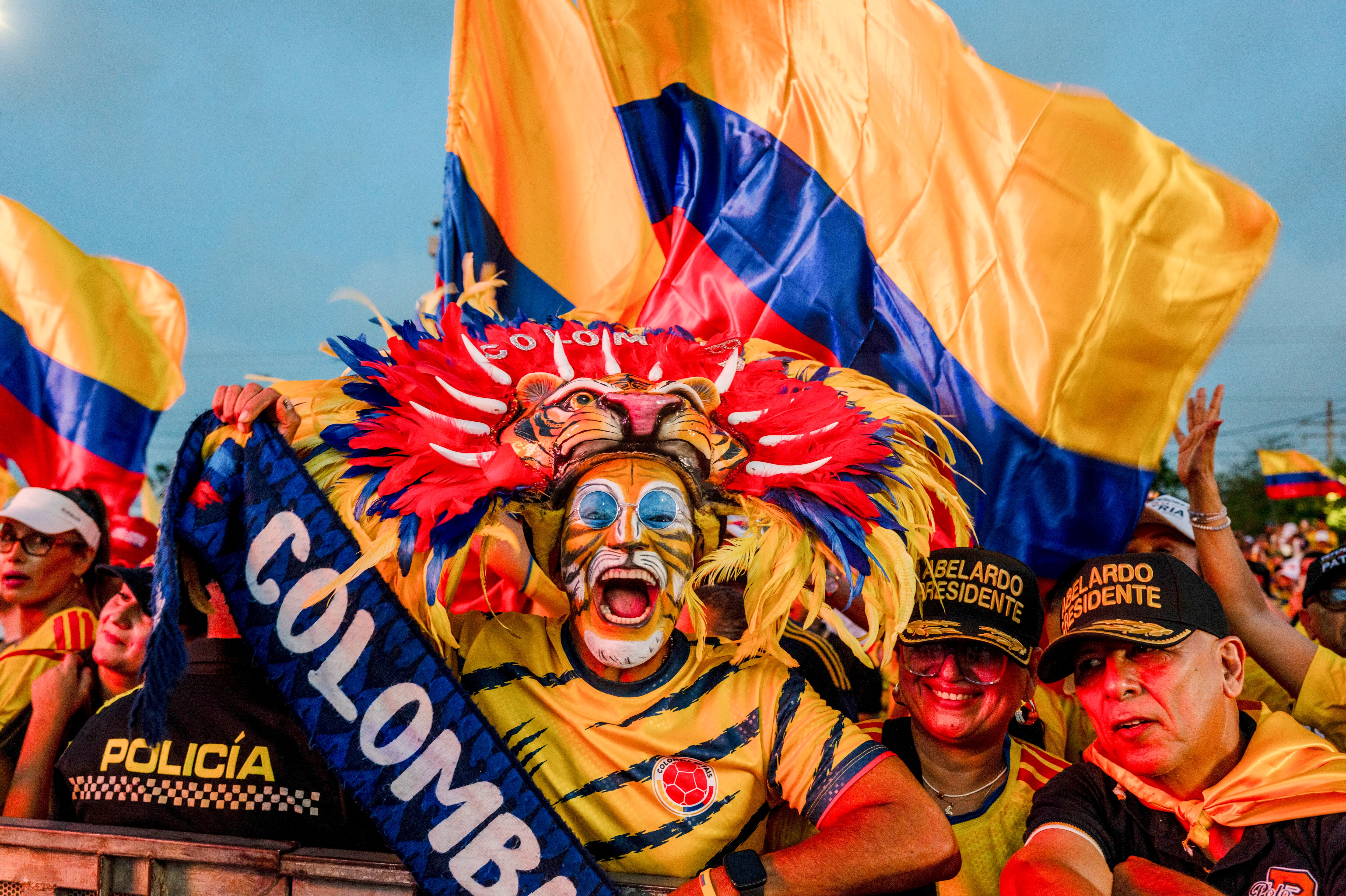
Several Latin American leaders have adopted a reactionary approach in recent years, reshaping the political landscape of the region. Nayib Bukele in El Salvador, Javier Milei in Argentina, José Antonio Kast in Chile, Abelardo de la Espriella in Colombia, and others have all gained power by promising strong-arm tactics and rejecting progressivism.
This new right is not just focused on conservative reforms or a smaller state; it is also a reaction against the social and political changes that occurred during democratic transitions in the region. The new right has returned historical symbols, such as Francisco Pizarro's statue in Lima, to assert their cultural identity. This trend, dubbed the "reactionary Americas," is distinct from previous conservative movements, as it reconnects with the past more fundamentally, aiming to define who belongs to the political community.
The rise of this reactionary trend is fueled by present-day frustrations, including inequality, insecurity, corruption, and a deep distrust of institutions.
Written by urgent.news from El Pais English's reporting — not their text. Machine-written — may contain errors; check the original before relying on it.