Protected since 1923, Texas island now has world's largest reddish egret colony
Nestled in Texas, Green Island proudly hosts the largest Reddish Egret colony globally, evolving into a sanctuary after extensive hunting significantly depleted bird populations. The island's lush vegetation creates a rich tapestry of nesting sites, catering to diverse coastal bird species. Dedicated wardens vigilantly safeguard the island against predators, striving to uphold its sensitive…
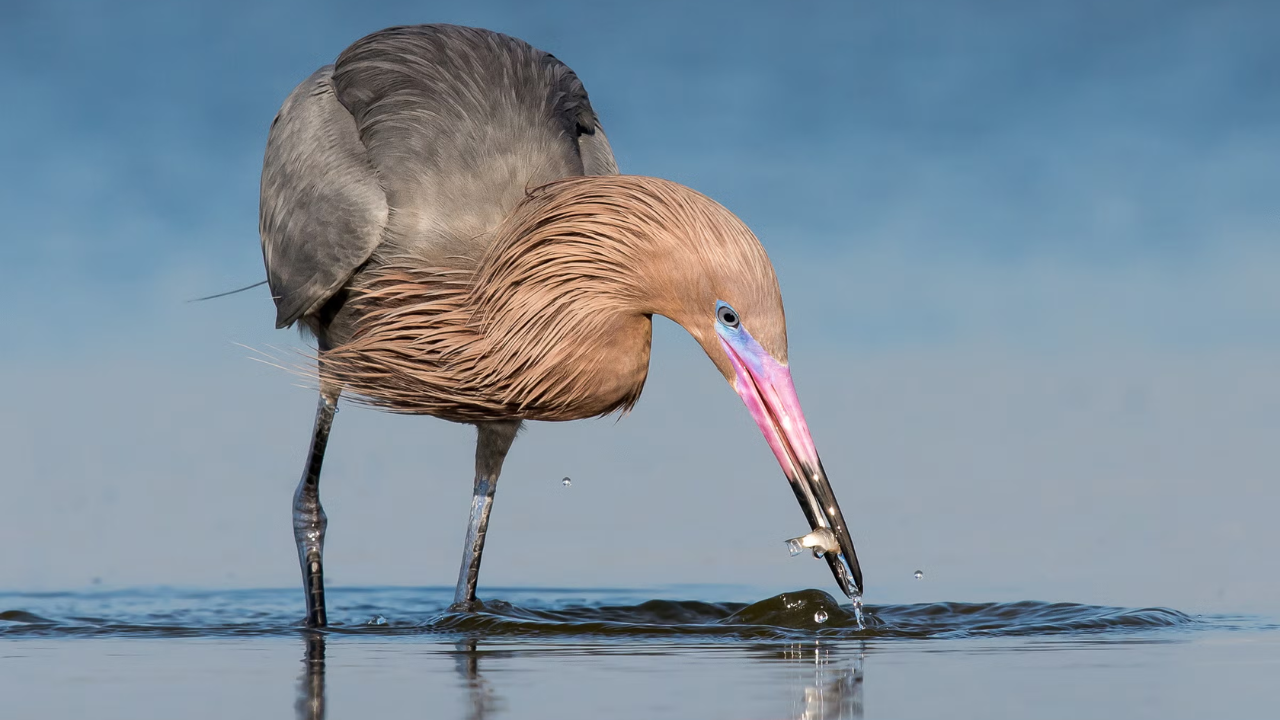
In 1923, Audubon Texas established a sanctuary on Green Island, located in the coastal lagoon Laguna Madre in southern Texas, to safeguard the Reddish Egret population. At the time, coastal birds faced severe threats from hunting, with their feathers, eggs, and meat highly sought after by the fashion industry and people for consumption.
This led to a sharp decline in Reddish Egret numbers across the Gulf Coast, driving the species close to extinction in Texas. Today, Green Island serves as the epicenter of a broader conservation network managed by Audubon Texas, which oversees 175 coastal islands. The islands also host thousands of Great Blue Herons, Great Egrets, Roseate Spoonbills, and Snowy Egrets.
Green Island stands out from other nearby islands due to its natural formation and challenging terrain, making it an ideal refuge for birds. Unlike other islands, which were created during the construction of the Gulf Intracoastal Waterway shipping channel, Green Island emerged organically. Its remote location and dense, thorny vegetation deter land-based predators and make it difficult for humans to access, thus providing an essential safe haven for nesting birds.
Coastal wardens played a crucial role in protecting the nesting colonies during the early years of protection. Some warden candidates lived in a basic two-room wooden hut on the island, enduring the harsh conditions to ensure the safety of the birds. Alexis Baldera, Audubon Texas' senior manager for the coastal program, emphasized the significance of the warden program in safeguarding the nesting birds.
The island's thick vegetation creates a multi-level nesting structure, accommodating various bird species. Large birds like Great Blue Herons and Great Egrets typically build their nests at the top of the bushes, while Reddish Egrets, Roseate Spoonbills, and Black-crowned Night-Herons prefer nesting lower down in the thick middle section of the vegetation. Smaller birds, such as Snowy Egrets, utilize the deepest branches and lower parts of the vegetation.
Green Island's unique flora, particularly the granjeno (spiny hackberry), also contributes to the well-being of the bird species. This shrub, with its sharp branches and orange berries, is preferred by many birds for nesting. Besides its benefits to nesting birds, granjeno also distinguishes Green Island from other artificial islands in the area, which are predominantly covered with mesquite and cactus, lacking this preferred nesting plant.
Audubon Texas is now implementing strategies to improve other islands by introducing granjeno seeds to enhance nesting habitat and increase the prevalence of preferred plant species.
Despite its protective measures, Green Island continues to face challenges, mainly due to its remote location and the difficulties in conservation work. Audubon Texas' coastal warden, Brian Beller, must clear and rebuild the island's only walking trail annually, remove fallen vegetation, check for invasive predators, and repair structures damaged by storms.
While the surrounding water largely protects the island from land-based predators, occasional intrusions by coyotes, bobcats, and raccoons have been observed. These animals are promptly removed to prevent them from reaching the nesting colonies.
Written by urgent.news from Times of India's reporting — not their text. Machine-written — may contain errors; check the original before relying on it.