Perimenopause Awareness: More Women In Their 40s Seek Medical Help For Hormonal Changes And Symptoms
Mumbai, August 15, 2026: Growing awareness about perimenopause is prompting more women in their 40s to seek medical advice for symptoms that were earlier often dismissed as stress, ageing or work pressure. Doctors say consultations for hormonal changes are increasing as women become more aware of the impact of perimenopause on their personal and professional lives. The trend comes amid a growing…
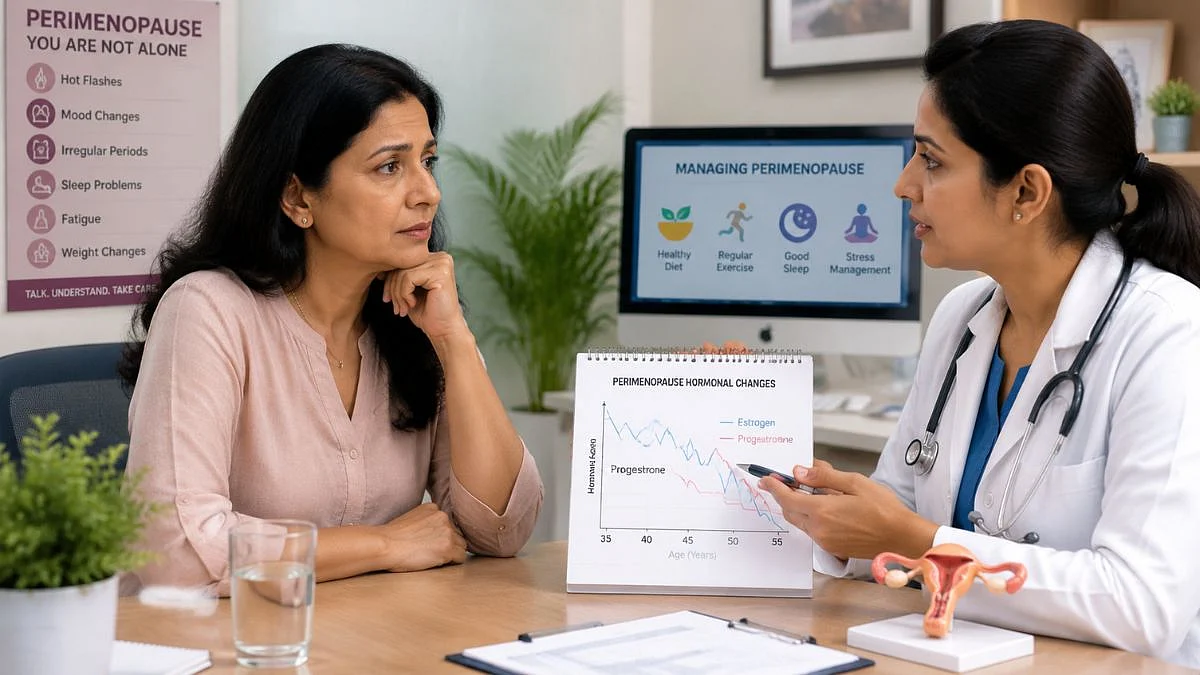
Mumbai, August 15, 2026: An increasing awareness of perimenopause is leading more women in their 40s to seek medical assistance for symptoms that were once attributed to stress, aging or work pressure. Healthcare professionals report a rise in consultations regarding hormonal changes, as women become more attuned to the effects of perimenopause on their personal and professional lives.
In Maharashtra, the demand for menopause-related healthcare is growing, with the state's 580 dedicated menopause clinics examining 31,288 women between January 14 and February 11, 2026, of which 30,034 received treatment and 82 were referred for specialized care.
Perimenopause is the hormonal transition phase that precedes menopause, often beginning several years prior to the cessation of periods. Women may encounter irregular periods, hot flashes, night sweats, sleep disturbances, mood changes, anxiety, fatigue, vaginal dryness, reduced libido, weight fluctuations, and difficulties with concentration.
Dr Surabhi Siddhartha, a Consultant Obstetrician and Gynaecologist at Motherhood Hospital, Kharghar, encounters two to three women between the ages of 40 and 50 each week who are prescribed Hormone Replacement Therapy (HRT) after evaluation. She explains that perimenopause arises from the ovaries gradually secreting lower amounts of estrogen and progesterone, a process that can commence several years before menopause and persist for four to ten years.
Contributing factors include aging, familial history, smoking, obesity, stress, and certain medical conditions.
Unaddressed severe symptoms can detrimentally impact quality of life, potentially leading to issues such as sleep disturbances, relationship problems, and bone health concerns. Siddhartha notes that, for appropriate candidates, HRT can alleviate hot flashes and night sweats, enhance sleep quality, stabilize mood fluctuations, improve concentration and mental acuity, relieve vaginal dryness, and support bone health.
She emphasizes that HRT should be personalized according to a woman's age, symptoms, medical background, risk factors, and preferences. Incorporating lifestyle measures such as regular exercise, a balanced diet, sufficient sleep, maintaining a healthy weight, and stress management should also be integrated into the treatment plan.
Written by urgent.news from Free Press Journal's reporting — not their text. Machine-written — may contain errors; check the original before relying on it.