Operation Safed Sagar finds restraint in war; Vijeta reckons with its human cost
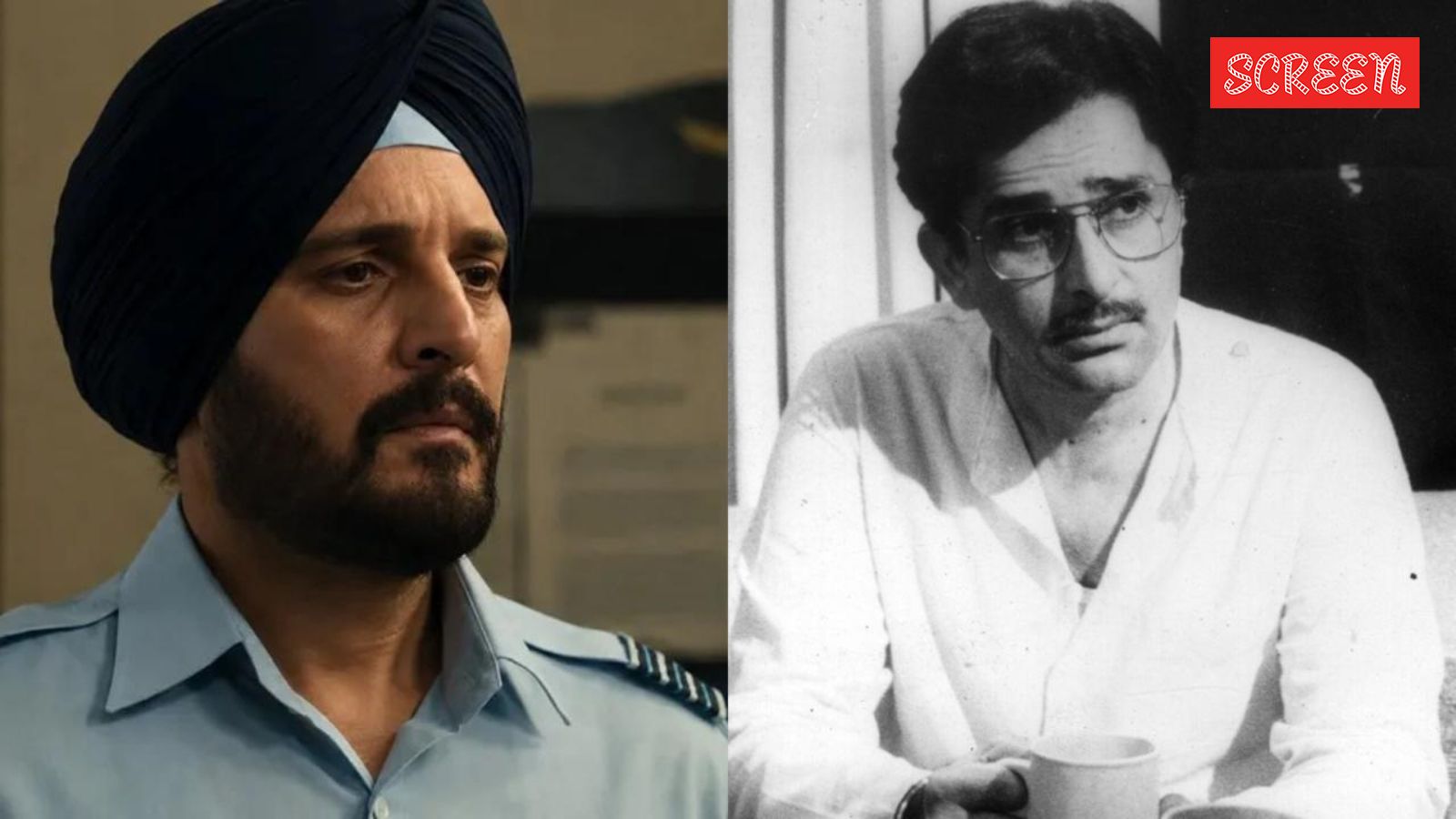
Following the low bar set by other patriotic filmmaking, restraint in Operation Safed Sagar stands out as a refreshing deviation from the norm. The series, created by Abhijeet Singh Parmar and Kushal Srivastava, focuses on the Indian Air Force's 'Golden Arrows' squadron during the 1999 Kargil conflict. Rather than relying on jingoism or vilifying the enemy, the show maintains a balance between a conventional, familiar narrative and a more nuanced portrayal of the conflict.
The first tonal register, akin to a base camp filled with dedicated cadets and mentors, provides a conventional yet compelling foundation. The young soldiers undergo trials and tribulations, forge friendships, and learn from seasoned mentors. However, it is the seemingly mundane 'bouncing' ritual – when cadets drop in unannounced for dinner – that truly humanizes these individuals.
Their personal histories, ambitions, and anxieties are revealed, creating a more relatable and three-dimensional portrayal of soldiers beyond the stereotypical image of the patriotic hero.
The series' second tonal register, set on the Pakistan side, offers a more intriguing perspective. Here, General Pervez Musharraf is depicted as someone striving to incite a war, maneuvering between his Prime Minister, Nawaz Sharif. This approach breaks away from traditional war narratives that portray Pakistanis as mere villains fueled by hatred and vengeance.
Instead, the series delves into the political conflict that drives their actions, making them more intriguing and humanized figures. This segment showcases the creators' ability to maintain drama while avoiding the trap of portraying an enemy purely as a one-dimensional antagonist.
While the show maintains a more measured and less melodramatic approach on the Indian side, it gradually challenges the initial credo of separating patriotism from politics. Tony, the mentor, cautions his young cadets to be 'razor blades' and carry out missions without hesitation. However, as the narrative unfolds, it becomes clear that even Tony struggles to maintain this discipline, showcasing his emotional vulnerability and occasional lapses into impulsivity.
One poignant moment occurs when Tony and his young officer Dhali grapple with guilt, briefly puncturing the armor of unwavering adherence to the duty.
Despite its strengths, Operation Safed Sagar ultimately falls short in fully addressing the anti-war sentiment that could have elevated it to a truly great war narrative. The detachment from the human cost of war, while maintaining the series' discipline, also becomes its limitation. The series observes the machinery of war without fully confronting its impact on the soldiers caught in it.
Some scenes, such as a wife mourning the loss of her husband in combat, briefly evoke a sense of anti-war sentiment, but they are overshadowed by other narratives found in earlier anti-war films like Govind Nihalani's Vijeta (1982).
Written by urgent.news from The Indian Express's reporting — not their text. Machine-written — may contain errors; check the original before relying on it.