Myanmar to restart China-backed dam that could flood area size of Singapore
Myanmar has announced plans to resume the Myitsone hydropower project, valued at $3.6 billion, which has been inactive for 14 years. This China-supported initiative aims to provide essential electricity to the nation. However, challenges regarding environmental degradation and potential displacement for local communities raise serious concerns. Additionally, fears of earthquakes add a layer of…
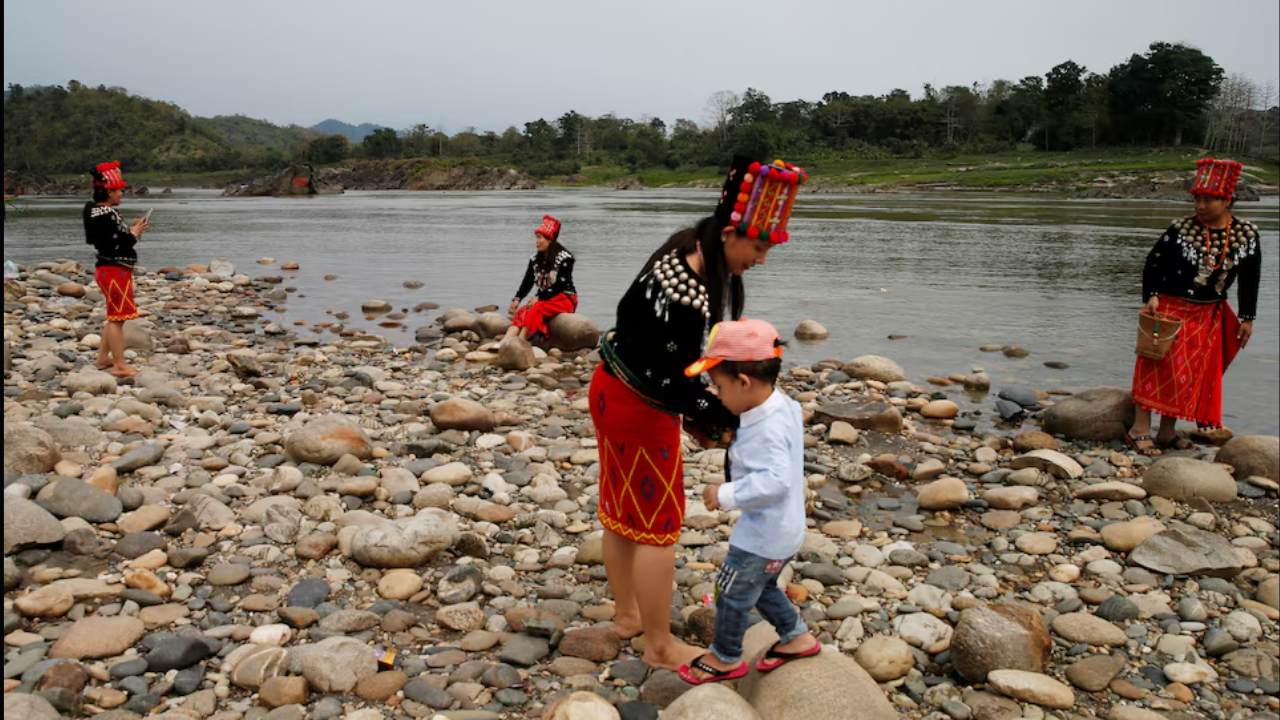
After a fourteen-year hiatus, the Myanmar government is set to resume the construction of the Myitsone hydropower project, a $3.6 billion (£2.8 billion) China-backed dam that would flood an area comparable in size to Singapore. The project, which aims to generate up to 6 gigawatts (GW) of electricity, is planned at the junction of the Mali and Nmai rivers, the headwaters of the Irrawaddy. The military-led administration, led by President Min Aung Hlaing, intends to complete the project within eight years.
The restart follows President Min Aung Hlaing's recent visit to China, where the dam's support has been a longstanding factor. Should the project be fully realized, it would become one of Southeast Asia's largest hydropower plants, although it would still be smaller than China's massive 22.5-GW Three Gorges Dam.
Myanmar currently faces significant power shortages, with national electricity demand at around 10 GW. If completed, the Myitsone dam could supply more than half of this demand. The dam's proposed export agreement, under which 90% of its electricity would be sent to China, has been a point of contention in Myanmar, where many residents struggle with regular power shortages.
However, the proposed dam's location has raised new concerns regarding earthquake safety. A magnitude 7.7 earthquake struck Myanmar in March, causing thousands of deaths. The high-risk location has led to worries that a large reservoir in such an earthquake-prone area could pose a serious threat to downstream communities if the structure were severely damaged.
Myanmar's Kachin State Chief Minister, Khet Htein Nan, has claimed that China has promised to utilize advanced engineering techniques to ensure the dam's safety against such risks.
Despite these assurances, critics remain skeptical. The military administration has been attempting to build support for the dam in areas under its control by organizing numerous public meetings in Kachin State. However, opposition remains strong among ethnic communities and environmental groups, who argue that the project would damage the Irrawaddy river system and put inhabitants at risk due to the flooding of substantial areas.
Written by urgent.news from Times of India's reporting — not their text. Machine-written — may contain errors; check the original before relying on it.