MSC Elsa 3 shipwreck: No significant environmental impact on Lakshadweep islands and coastal areas, says NCSCM research
However, the incident has underscored the inherent vulnerability of remote island ecosystems to maritime accidents, according to the report
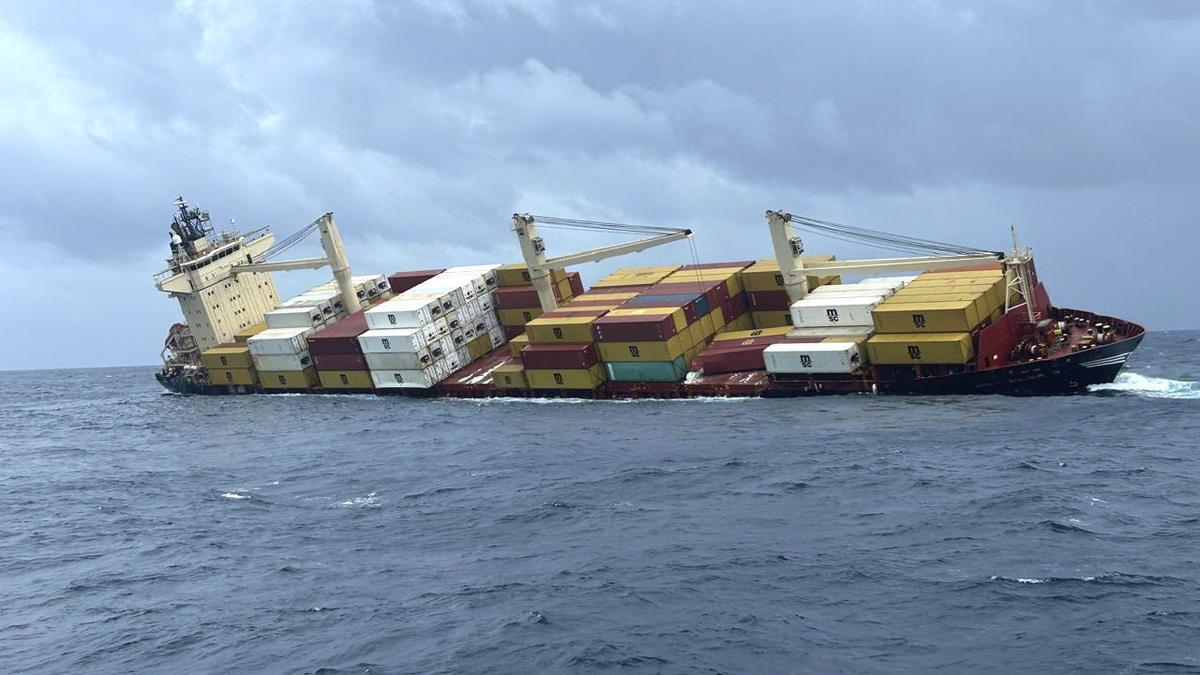
The National Centre for Sustainable Coastal Management (NCSCM) has completed a detailed study on the environmental impact of the MSC Elsa 3 shipwreck off the Kerala coast on the Lakshadweep islands. The research, which was commissioned following the sinking of the container vessel on May 25, 2025, found that there was no significant environmental damage to the islands.
The study, conducted through field surveys, lab-based analysis, remote sensing, numerical spill trajectory modelling, and stakeholder consultations, assessed the potential ecological and socioeconomic risks to the Lakshadweep islands. The findings indicated that the physiochemical parameters of seawater and sediments, as well as biological assessments of plankton communities, benthic assemblages, coral reefs, seagrass meadows, and lagoonal habitats, remained within normal ranges.
Furthermore, there were no reported impacts on fisheries operations, access to fishing grounds, catch composition, or tourism activities. The research highlighted the importance of enhancing maritime incident preparedness through early warning systems, island-specific contingency planning, coordinated inter-agency response mechanisms, and sustained environmental monitoring to improve resilience against future spill risks.
Brief written by urgent.news from The Hindu's own syndicated text. Machine-written — may contain errors; check the original before relying on it.