Moose introduced in 1878 now threaten to wipe out Newfoundland’s forests
Introduced to Newfoundland more than a century ago as a food source, moose have surged in numbers, drastically altering the island’s forest ecosystem. The absence of natural predators allows these massive herbivores to devour young trees at alarming rates. To mitigate this issue and safeguard habitats, hunting quotas are thoughtfully managed, seeking to achieve a harmony between ecological…
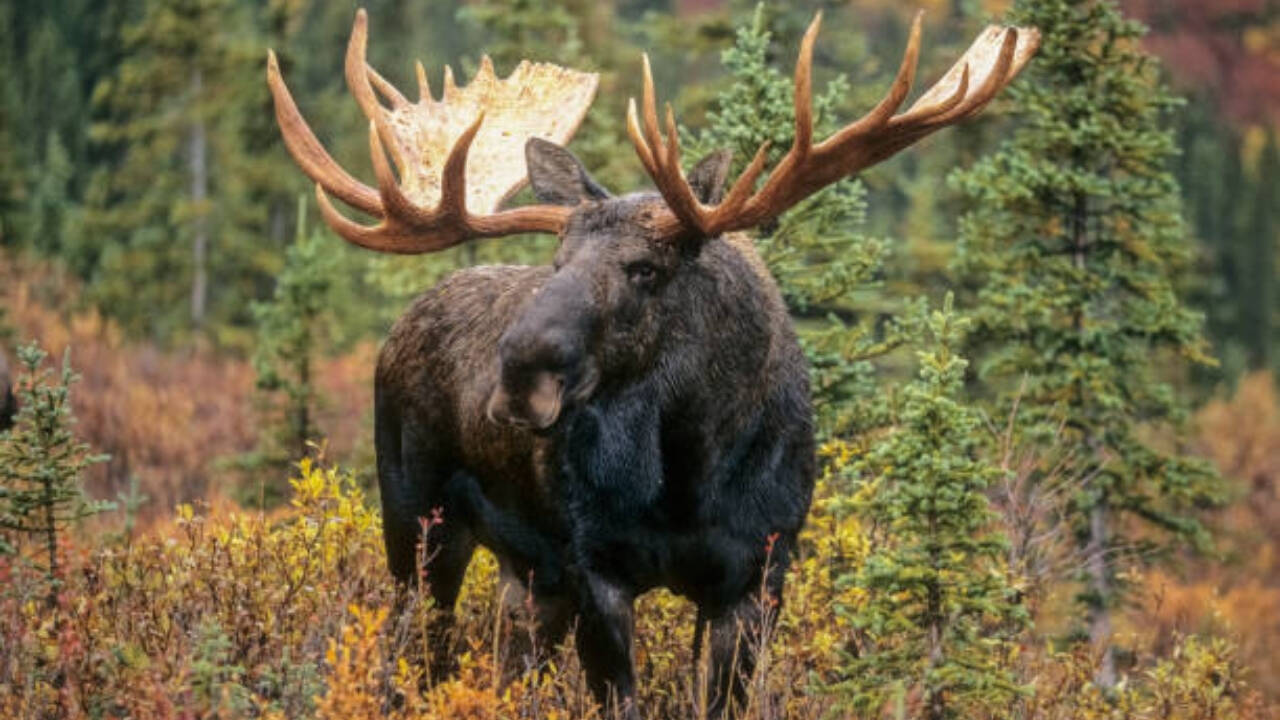
In 1878, moose were introduced to Newfoundland for hunting purposes. Over time, the population grew to an estimated 110,000 animals, significantly impacting the island's forests. Initially brought in as a reliable meat source, the moose population explosion revealed an ecological limit as forests couldn't replenish young trees and shrubs fast enough to counter the animals' voracious appetite.
Moose were introduced in 1878 and four more in 1904, aiming for a new game animal and meat source. By the 1950s, the herd had reached around 200,000. Today, the population is closer to 110,000, but the animals have exposed a hard ecological limit due to forests' inability to replace young trees and shrubs as quickly as moose consume them.
Moose were native to Labrador and faced no other large herbivore with the same dietary needs on Newfoundland. The lack of a natural predator, such as the Newfoundland wolf, which had nearly gone extinct by 1930, allowed the moose population to grow unchecked. Young forests provided abundant food sources, allowing moose to spread across much of the island by the mid-20th century.
One moose can consume 40 to 50 pounds of twigs and shrubs per day in winter and 50 to 60 pounds in summer. With an estimated 110,000 moose, this feeding rate implies a broad annual total of about 720,000 to 1 million metric tons of plant material. By the late 1950s, overbrowsing had caused widespread habitat damage, pushing the island population below 50,000 by the early 1970s.
In response, Newfoundland implemented a quota system in 1973, reducing harvest in areas with scarce moose and allowing more hunting where dense herds were hindering habitat recovery. The population climbed again for about 25 years, aided by commercial forestry creating young, browse-rich habitat. By the 1990s, the herd was again over 150,000, despite raising hunting quotas.
Moose numbers fell by roughly 25% from the mid-1990s to 2012 due to habitat limits, not hunting alone. Gros Morne National Park, for example, saw a moose population of over 7,000 in 1998, leading to failed forest regeneration and the formation of open, grass-dominated "moose meadows." Parks Canada initiated a population reduction program in 2011, managing the herd near a target of 2,000 animals.
Hunting in Newfoundland now serves to protect the forest, with quotas set based on aerial surveys, hunter reports, jawbone data, and local habitat conditions.
Written by urgent.news from Times of India's reporting — not their text. Machine-written — may contain errors; check the original before relying on it.