Japan defence minister visits war shrine, PM stays away
Japan’s neighbours view Yasukuni Shrine and regular visits by senior politicians as symbols of Japan’s failure to atone for atrocities committed during World War II.
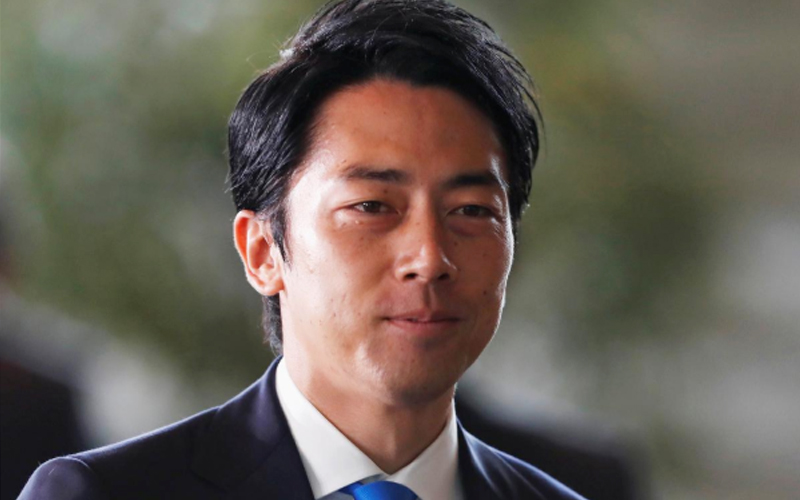
Japan's Defence Minister Shinjiro Koizumi paid his respects at the Yasukuni shrine on Saturday, a site that has often caused tension with neighboring countries due to its association with war dead, including convicted war criminals from Imperial Japan's past aggression. Prime Minister Sanae Takaichi, however, opted not to visit the shrine. This visit took place 81 years after Japan's surrender in World War II, a milestone that saw crowds, including some in military uniforms and senior political figures, flock to the site.
Speculation had arisen that Takaichi, who had previously visited Yasukuni as a prime minister and even while serving as a defence minister, might join Koizumi at the shrine. Her decision not to attend was seen as a potential source of friction with China and South Korea, both of which view the shrine as emblematic of Japan's refusal to fully acknowledge the atrocities committed by its forces during the war.
The Yasukuni shrine is dedicated to over 2.5 million war casualties, many of whom were Japanese soldiers, as well as some convicted war criminals associated with Japan's imperialist expansion in the 1930s and 1940s.
Koizumi, the son of former Prime Minister Junichiro Koizumi, has a history of visiting Yasukuni, including during his tenure as a government minister. His latest visit as Defence Minister could further aggravate relations with Beijing and Seoul. Junichiro Koizumi was the last sitting Japanese Prime Minister to visit the shrine on the 15th of August, during the anniversary of Japan's surrender in 2006.
Shinzo Abe, Koizumi's mentor, had done so in December 2013, marking the first anniversary of his presidency, which drew widespread condemnation from China and South Korea.
Takaichi, in November, had suggested Japan might intervene militarily in a conflict over Taiwan, a stance that has already drawn criticism from China. China claims sovereignty over Taiwan, a self-governing island with a population exceeding 23 million people, and has threatened to use force to achieve that goal.
Written by urgent.news from Free Malaysia Today's reporting — not their text. Machine-written — may contain errors; check the original before relying on it.
Also reported by 3 other outlets
- Japan's defense chief visits shrine neighbors see as symbol of Japanese militarism koreatimes.co.kr
- Putin visits disputed Kuril islands, sparking protest from Japan france24.com
- Japan defence minister visits war shrine, PM stays away freemalaysiatoday.com