Japan could be experiencing the dark side of the Pokémon obsession
Pokémon cards have spawned into a multi-billion-dollar unregulated industry, which a lawyer fears could be used for money laundering, and its homeland is now considering clamping down.
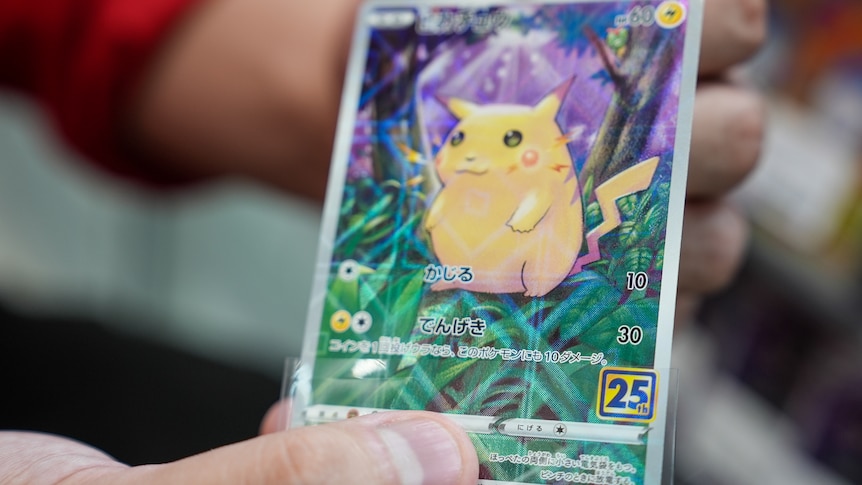
The Japanese government is contemplating regulations on trading cards, including Pokémon, amid soaring prices that trigger concerns about scalping, counterfeiting, and money laundering. The value of Pokémon cards has surged, with an American YouTuber selling an ultra-rare card for a record $22.6 million in 2021. The Japanese government has formed a taskforce to examine market regulation, authentication methods, and technological solutions to detect fakes.
Pokémon cards have become a multi-billion-dollar unregulated industry, and Japan is now considering intervention.
A specialty card store in Tokyo, Hareruya2, has witnessed a surge in interest for the 30-year-old game over the past five to six years. One card, a well-preserved Pikachu card from the first booster pack, sold for about 10 million yen ($89,000). The store attracts both locals and tourists who want to purchase Japanese-language cards. However, the rising prices make many cards unaffordable for fans. A 20-year-old visitor from America remarked that expensive cards seem "ridiculous" and wished they were cheaper.
The most expensive collectibles are often early or special edition cards, but new release sets are also being resold at higher prices. The newest set, released in Japan a few weeks ago, is already priced at $200 for a box. American YouTuber Logan Paul set a record this year by selling an ultra-rare Pikachu Illustrator card for $22.6 million, having purchased it four years prior for $7.5 million.
Such extreme gains have created an alternative asset class, but the market is volatile and speculative. Lawyer Fukui Kensaku from Kotto Dori Law Office warned of reckless speculation, stating that ordinary people may risk financial ruin.
Counterfeiting and theft are also concerns, as the market becomes increasingly speculative. The risk of illicit overseas money transfers, such as money laundering, is also a worry. The Japanese government launched a parliamentary group to address these issues, focusing on preventing illegal resales and counterfeiting, including authentication methods and improved technology.
While restrictions on reselling cards could be legally enforced in some cases, the chair of the group, Kihara Seiji, cautioned against overly restrictive regulations that could harm the market. The Japanese government aims to foster the healthy development of the trading card market, ensuring that it remains an enjoyable activity for all.
Written by urgent.news from ABC News AU's reporting — not their text. Machine-written — may contain errors; check the original before relying on it.