It is time we look past the binary of ‘good’ and ‘bad’ men
Sexual violence is not the preserve of ‘monsters’. It can also emerge from ordinary assumptions about flirting, persistence, seniority, alcohol, women’s accommodation of male behaviour, and men being disinclined to intervene when another man crosses a line
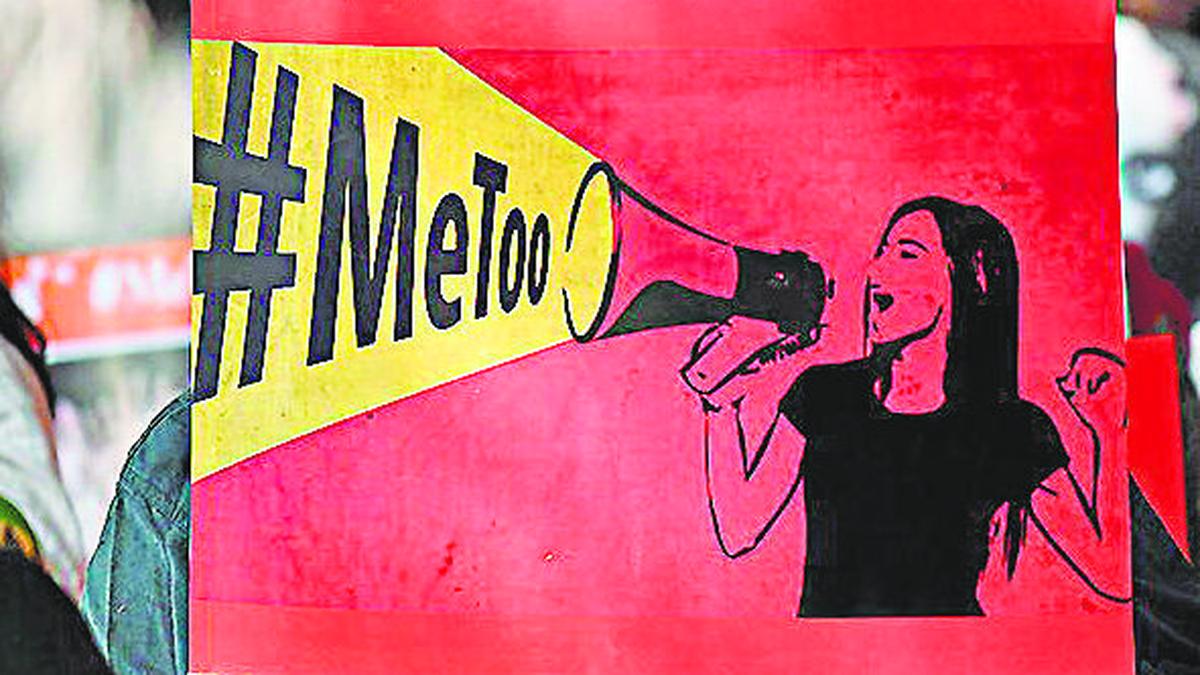
The #MeToo movement in India, which began around 2018, saw a dearth of articles written by Indian men that seriously engaged with women's perspectives on sexual violence and the societal conditions that perpetuate it. This gap reflected a challenge in viewing gender-based violence as something produced by individual actions as well as social relationships and assumptions about masculinity.
The subsequent reactions of men, both then and now, following the Bombay High Court's decision to overturn Tarun Tejpal's acquittal, have predominantly been defensive or huddling together rather than engaging openly with women and discussing sexual violence.
On August 11, a senior Supreme Court advocate argued in The Tribune that criminal law can only punish conduct that meets the legal requirements of an existing offense, hence one should suspend judgment on the Tejpal case until the Supreme Court rules. While due process and the presumption of innocence should be subjects of discussion, this does not imply that the only appropriate response outside the courtroom is to say "we do not know".
Society can still differentiate between what a criminal court is legally obligated to determine and what the social aspects of a case permit society to conclude.
A paper published in the Journal of Men's Studies in 2022, authored by Andrea Waling, outlined "five key framings" in #MeToo coverage based on 163 media reports. These framings included men as victims of masculinity needing intervention, men being inherently 'good' or 'bad', boys and men feeling lost and needing to be found, men being performative in their 'awakenings', and men taking on protector or ally roles that may merely be attempts to be false heroes.
Waling highlighted several contradictions and tensions, emphasizing the overall lack of coherence and agreement regarding men's involvement in the #MeToo movement.
Men claiming "I support women" is not equivalent to men questioning masculinity, desire, entitlement, friendship, professional hierarchies, men's conversations, complicity, and how ordinary men may contribute to cultures that make sexual violence feasible without being predators themselves. This territory, opened by the #MeToo movement in India, remains largely unexplored by men.
There has been little practice among men in discussing sexual violence as a male issue, with prevalent discourse focusing on false accusations, due process, the presumption of innocence, men's fear of interacting with women, and other concerns.
The legal system and criminal cases are inherently limited by the laws in place and cannot cover conduct that the law has not criminalized. This does not imply that other questions are invalid or less significant. Instead, men must question what societal organization of relationships between men and women contributes to the situations that eventually reach the court's attention.
This necessitates moving beyond the false dichotomy between "men like us" and "other men" and recognizing that sexual violence is not exclusive to 'monsters'. It can stem from ordinary assumptions about behaviors like flirting, persistence, seniority, alcohol, women's accommodation of male behavior, and men's reluctance to intervene when another man crosses a line.
Sexual violence cannot be comprehended solely through abstract political analysis; it necessitates attention to intimate behavior. In other words, it's not sufficient to acknowledge the patriarchal nature of 'The System'; at some point, men must contemplate how they and those around them should behave. What they have laughed at, ignored, and believed (or not) becomes relevant.
A criminal trial determines whether particular conduct satisfies a specific legal standard, but society should also question what forms of sexual coercion, intimidation, and entitlement should be recognized as unacceptable before they cross the threshold into criminal proceedings. The debate surrounding the Tejpal case underscores the importance of these inquiries, which remain largely unaddressed in India.
Written by urgent.news from The Hindu Health's reporting — not their text. Machine-written — may contain errors; check the original before relying on it.
This story
This is one outlet's version. Read the fullest account.