It is time we look past the binary of ‘good’ and ‘bad’ men
Sexual violence is not the preserve of ‘monsters’. It can also emerge from ordinary assumptions about flirting, persistence, seniority, alcohol, women’s accommodation of male behaviour, and men being disinclined to intervene when another man crosses a line
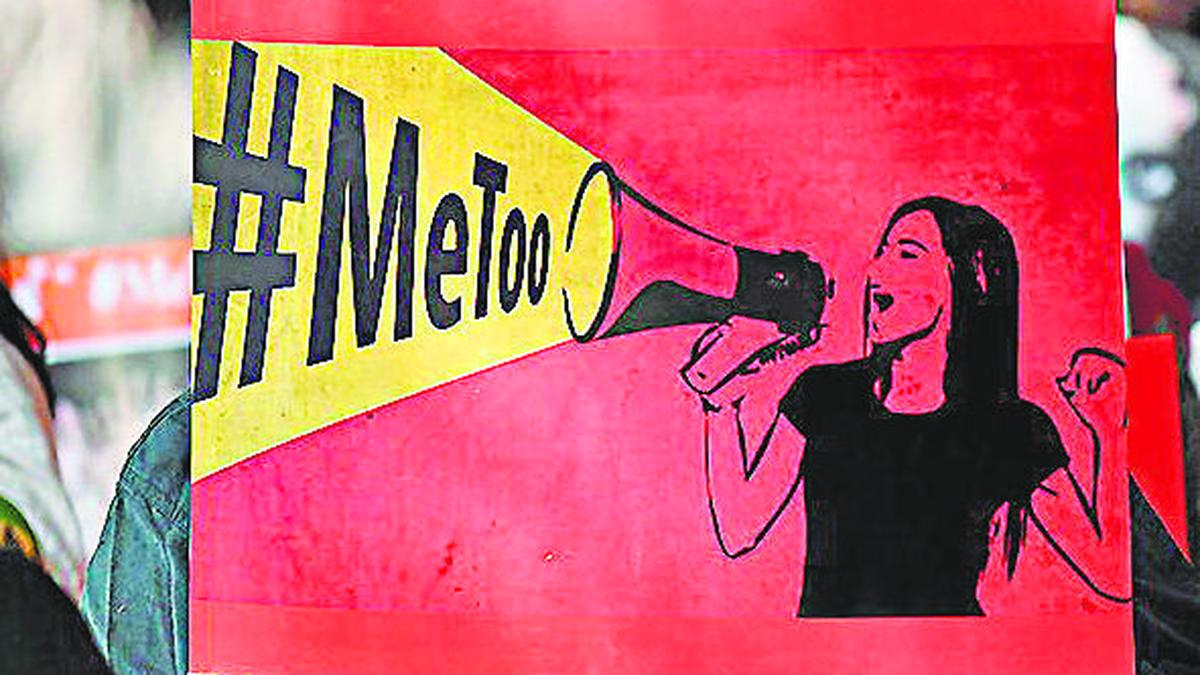
The #MeToo movement in India, which began around 2018, saw a lack of Indian men writing extensively about women's experiences with sexual violence and the societal factors that perpetuate it. Many men responded defensively or by clustering together rather than engaging in open dialogue and reflection on sexual violence. A Supreme Court advocate recently argued to suspend judgment on a high-profile case until the Supreme Court's decision, emphasizing that a criminal court can only convict based on existing laws and the presumption of innocence.
However, this doesn't exclude society from drawing broader conclusions about the case's social implications.
In 2022, Andrea Waling, an adjunct scholar at the Australian Research Centre in Sex, Health and Society, Melbourne, identified "five key framings" in #MeToo coverage based on 163 media reports. These framings included viewing men as victims of masculinity, men as inherently 'good' or 'bad', boys and men as needing to be found, men being performative in their 'awakenings', and men adopting protector or ally roles potentially as false heroes.
The analysis highlighted a lack of coherence and agreement regarding men's roles in the #MeToo movement.
Despite the high-profile discussions around the subject, men have been reluctant to engage in conversations about masculinity, desire, entitlement, friendships, professional hierarchies, male conversations, complicity, and the ways ordinary men participate in cultures that enable sexual violence. While men may express support for women, this sentiment falls short when compared to actively questioning masculinity, desire, entitlement, professional hierarchies, male conversations, complicity, and the ways men may contribute to cultures that make sexual violence possible without being predators themselves.
Men have shown little practice in discussing sexual violence as a male issue, instead focusing on false accusations, due process, the presumption of innocence, and fear of interaction with women. Laws reflect societal structures that create the situations criminal cases address, but this doesn't preclude society from exploring other questions.
Men must examine how societal organization of relations between men and women contributes to the issues that eventually reach the court. This requires moving beyond the simplistic distinction between "men like us" and "other men" and acknowledging that sexual violence can emerge from ordinary assumptions about various behaviors and social contexts.
Sexual violence cannot be fully understood through abstract political analysis alone; it demands attention to personal behavior. Men must consider how they behave around others, what they laugh at, what they ignore, and whom they believe — or don't. While a criminal trial assesses whether specific conduct meets a legal standard, society should also question the behaviors it should have recognized as unacceptable before reaching the criminal threshold.
Ignoring this broader question allows men to avoid confronting the deeper issue that #MeToo highlighted: the gap between socially acceptable behavior and conduct recognized and punished by the criminal court.
Written by urgent.news from The Hindu's reporting — not their text. Machine-written — may contain errors; check the original before relying on it.