It is time we look past the binary of ‘good’ and ‘bad’ men
Sexual violence is not the preserve of ‘monsters’. It can also emerge from ordinary assumptions about flirting, persistence, seniority, alcohol, women’s accommodation of male behaviour, and men being disinclined to intervene when another man crosses a line
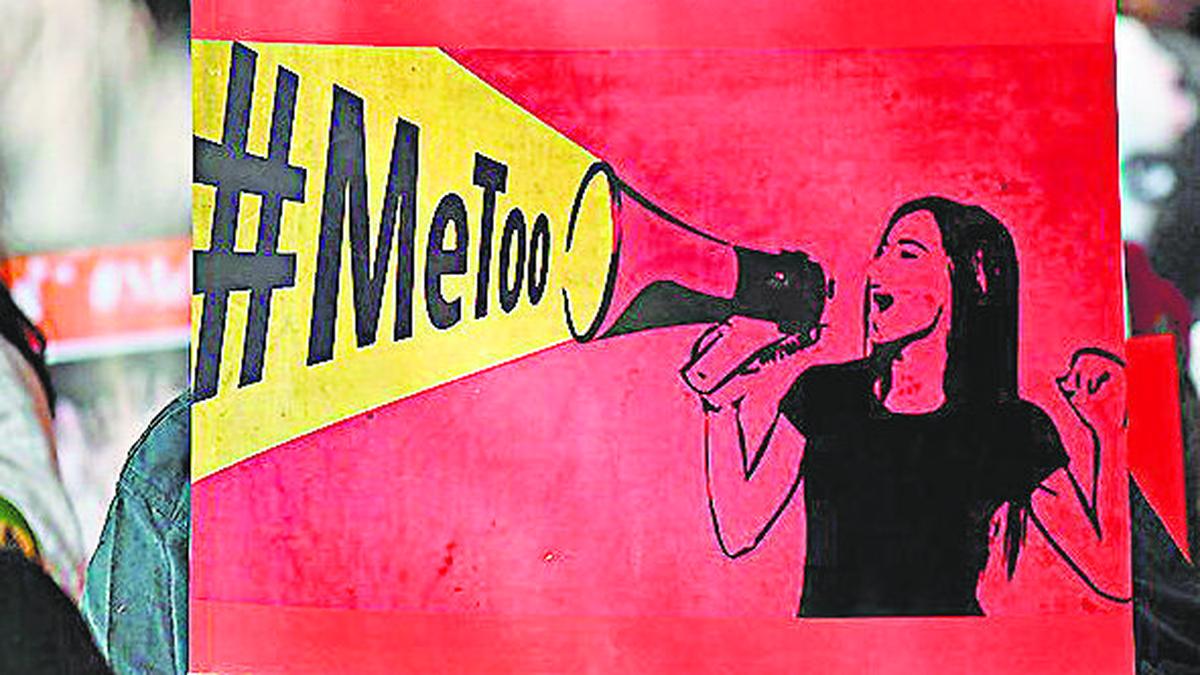
The #MeToo movement in India, around 2018, saw limited coverage from Indian men who seriously addressed women's concerns about sexual violence and the societal factors enabling it. Rather than reflecting individual men's failure to support women, the gap highlighted a challenge in conceptualizing gender-based violence as stemming from social relationships and masculine assumptions.
Men's reactions then and now have typically revolved around defensiveness or silence instead of engaging with women, exploring, and discussing sexual violence. A recent argument in The Tribune by a senior Supreme Court advocate urged the court to postpone judgment on the Tarun Tejpal case, pending the Supreme Court's decision, as criminal law can only punish actions meeting existing offense criteria.
While the court can't convict someone for acts not classified as offenses under law, it doesn't imply that the only proper response outside the courtroom is indifference. Society can still differentiate between legal responsibilities and societal expectations. Andrea Waling, an honorary adjunct at the Australian Research Centre in Sex, Health and Society, Melbourne, identified "five key framings" in #MeToo coverage based on 163 media reports, such as men as victims of masculinity needing intervention, men being inherently 'good' or 'bad', boys and men needing to be discovered, men performing 'awakenings', and men adopting protector or ally roles potentially being false heroes.
The article underscores that men's mere support for women doesn't equate to questioning masculinity, desire, entitlement, professional hierarchies, or male conversations. Men have exhibited little practice discussing sexual violence as a male issue. Instead, discussions often revolve around false accusations, due process, innocence, fear of interacting with women, etc. Laws are a reflection of societal norms, and individual cases can't cover behavior not criminalized by law.
However, this does not negate the legitimacy of other questions. Men must question the societal organization of male-female relationships that leads to situations confronting the law. This necessitates moving beyond the binary of "men like us" and "other men" and acknowledging that sexual violence isn't exclusive to 'monsters.' It can emerge from common assumptions about flirting, persistence, seniority, alcohol, women accommodating male behavior, and men's reluctance to intervene when another man crosses a line.
Understanding sexual violence requires looking at intimate behavior, not just abstract political analysis.
Written by urgent.news from The Hindu - Sci-Tech's reporting — not their text. Machine-written — may contain errors; check the original before relying on it.
This story
This is one outlet's version. Read the fullest account.