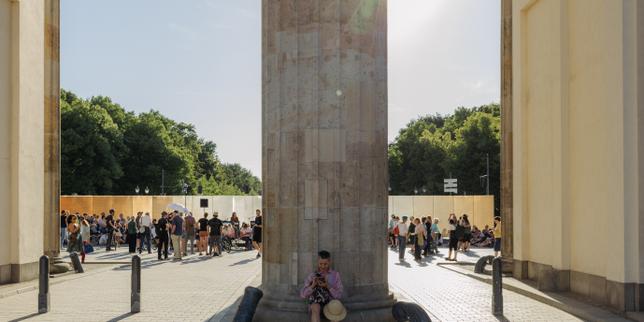
Iran Says Qatar Captured Three of Its Pilots Early in War With U.S.
Iran said the airmen have been held since March 2 when their fighter jets were shot down. The Qatari government has not commented.
Mecca has long been the site for various historical and contemporary agreements, spanning social, economic, intellectual, political, and security matters. Recently, Saudi Arabia, Pakistan, and Türkiye signed a pact at Mecca, signaling a commitment to inclusivity and peace in the Middle East. Despite all parties being predominantly Sunni, the choice of Mecca as the venue suggests an intention to unite Muslims of all sects, moving away from the sectarian and ethnic conflicts that plagued the previous century.
The alliance's member states share a religious bond and similar political visions, making it a powerful and cohesive force. Their strategic location, linking Asia to Europe and the global south to the developed north, is further enhanced by ongoing connectivity projects, such as a railway and electricity network. The signatories emphasized the defensive nature of the alliance, rejecting any notion of it being an Islamic NATO directed against any particular group.
Saudi Arabia's Prime Minister, Benjamin Netanyahu, labeled the grouping an "extremist Sunni axis," but the Saudi leadership's choice of Mecca as the signing venue appears to dismiss such fears. The agreement underscores Saudi Arabia's vision for a new Middle East, emphasizing mutual respect, unity, peace, and prosperity.
Written by urgent.news from Al Majalla English's reporting — not their text. Machine-written — may contain errors; check the original before relying on it.
This story
This is one outlet's version. Read the fullest account.
- Mecca diplomacy and the New Middle East en.majalla.com