I Love Handhelds, But I’m Worried the RAM Crisis is Going to Kill Them
Handheld gaming PCs have been getting better every year, but with skyrocketing prices, they might not make much sense to either gamers or manufacturers.
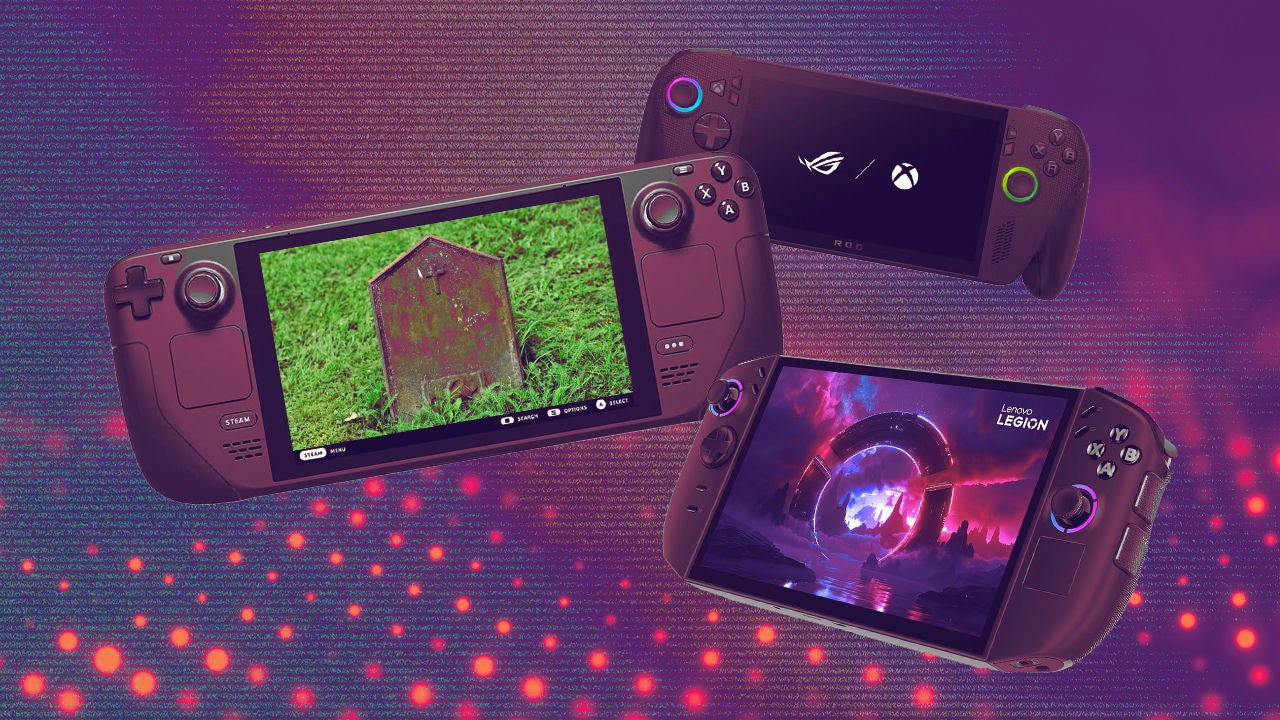
Handheld gaming PCs have been a passion of mine for the last few years, with consistent improvements in hardware and operating systems. The latest offerings, such as the Xbox Ally X and MSI Claw 8 EX AI+, are truly impressive in terms of performance. However, the soaring prices of these devices make them hard to justify. The MSI Claw 8 EX AI+, priced at $1,799, far exceeds the cost of its predecessor, the MSI Claw 8 AI+, which was around $899.
The primary reason for the price hike is the new Arc G3 Extreme integrated graphics chip, which is essentially a Panther Lake chip with some CPU cores disabled. This new chip offers superior performance compared to AMD's previous Z2 Extreme-powered devices, but the cost of RAM has become a significant factor in the overall expense of handheld gaming PCs.
The Lenovo Legion Go 2, another high-performance option, now costs a staggering $1,999, even more than the MSI Claw 8 EX AI+. Valve's Steam Deck has also seen a price increase, now starting at $789 for a new unit, which is not a great value in today's market. Despite these high prices, the Xbox Allies from Asus remain the best options for those seeking a more affordable handheld experience.
However, there is a concern that Asus might follow suit and raise prices on their Xbox handhelds as well. Ultimately, the RAM crisis is putting a strain on the handheld gaming PC market, making it challenging to find devices that offer great value for their price.
Written by urgent.news from IGN's reporting — not their text. Machine-written — may contain errors; check the original before relying on it.