Hungary sinks barges in Danube to keep its only nuclear power plant running
Hungary has begun emergency measures to keep its only nuclear power plant, Paks, operating amid critically low water levels in the Danube, sinking two barges near the facility to raise the water level and maintain cooling, Bloomberg reported on Aug. 15.
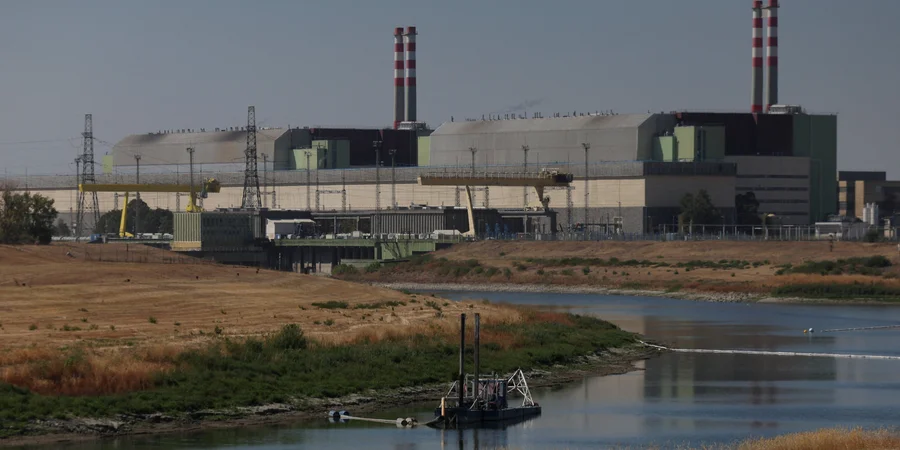
Hungary is taking emergency steps to keep its sole nuclear power plant, Paks, running due to critically low water levels in the Danube River, reports Bloomberg on Aug. 15. To raise the water level and maintain cooling, two barges have been sunk near the plant, with the water level near the plant's pumping station increasing by approximately 1 centimeter since the operation commenced.
Alongside this measure, workers are constructing an underwater barrier to reduce the Danube's flow and augment water reserves for the plant's cooling systems. Around 5,000 metric tons of stone are set to be delivered for the project on the same day.
The crisis stems from an extended drought that pushed the Danube to record-low levels. Paks, a 2 gigawatt nuclear power plant, is currently producing about 485 megawatts of electricity, roughly one-quarter of its maximum capacity. Forecasts suggest that by early next week, the Danube could fall so low that one of the two remaining operating turbines may need to be shut down. A further drop in the water level could force the entire nuclear power plant to cease operations.
Prime Minister Péter Magyar warned that a shutdown of Paks could cost Hungary at least $159 million a month, not including potential losses for businesses due to electricity restrictions. On Aug. 5, Romania also sank four barges in the Danube to boost the flow of water to Cernavoda, the country's only nuclear facility, which has already experienced reduced operations due to low water levels.
Hungary's capital, Budapest, Mayor Gergely Karacsony announced on Aug. 1 that the city would implement measures to conserve electricity, such as slowing metro and tram services and turning off some decorative lighting in public buildings. The ongoing heat wave across Central and Eastern Europe has led to new temperature records, with Slovakia recording an all-time high of 42 C (107.6 F), while Austria and Hungary also experienced exceptionally high temperatures.
Written by urgent.news from New Voice of Ukraine's reporting — not their text. Machine-written — may contain errors; check the original before relying on it.