Hundreds of migrants blocked from crossing into Spain
Hundreds of migrants have been apprehended at the border between Morocco and Spain, just weeks after a mass-crossing attempt left at least 80 people dead.
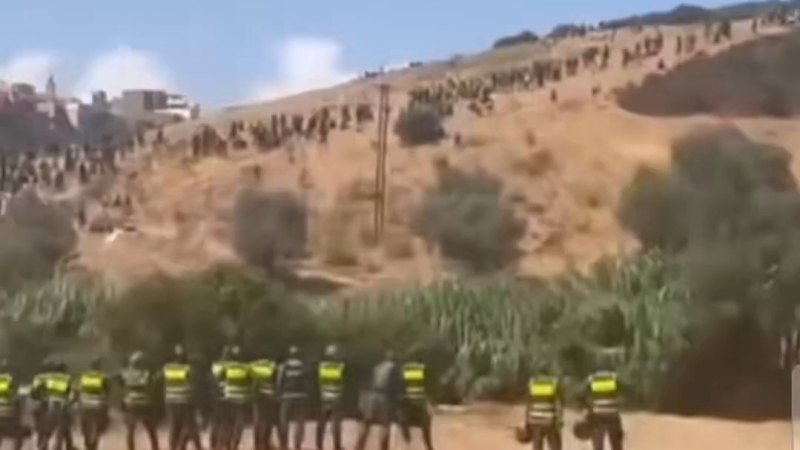
Hundreds of migrants have been apprehended at the border between Morocco and Spain. According to ABC News AU, 111 people were arrested by Moroccan police as they tried to enter Spain's North African enclave of Ceuta. The arrests were made amid tightened security on both sides of the border after social media posts called for another mass migrant crossing.
The attempted crossing came two weeks after a mass surge of over 72,000 migrants into Ceuta, which sparked tensions within the European Union and fueled anti-immigration rhetoric among far-right parties worldwide. At least 96 people died in the previous attempt to reach European soil. Those detained included 109 migrants from sub-Saharan Africa and two Moroccan citizens arrested in or around Fnideq, the Moroccan city opposite Ceuta, according to a source in Morocco's Interior Ministry.
Moroccan police used tear gas to disperse groups of migrants gathered on hills about 3km from the border, EFE reported. In Ceuta, Spanish soldiers guarded supermarkets while police heavily patrolled the enclave's main streets. The city was calmer than in the days after the deadly crossing attempt.
Brief written by urgent.news from The Age, The Sydney Morning Herald, ABC News AU, Jerusalem Post, Dawn — 5 reports on this story. Machine-written — may contain errors; check the original before relying on it.
This story
This is one outlet's version. Read the fullest account.
- Morocco arrests 111 migrants headed to Spain's Ceuta as sides step up crackdown cbc.ca
- Hundreds of migrants blocked from crossing into Spain smh.com.au
- More than 100 arrested in Morocco after call for another migrant mass crossing to Ceuta news.sky.com
- Morocco arrests 111 migrants in second Ceuta migrant rush theage.com.au