How ‘Trump accounts’ for kids could widen the wealth gap
So far, 530A tax-advantaged investment accounts for kids, also known as “Trump accounts,” have had a successful debut. As of July 27, just over three weeks after the accounts went live, Treasury Secretary Scott Bessent reported that 7 million children under 18 are enrolled, and 86% of them come from families with annual incomes of less than $200,000. The House Committee on Ways and Means stated…
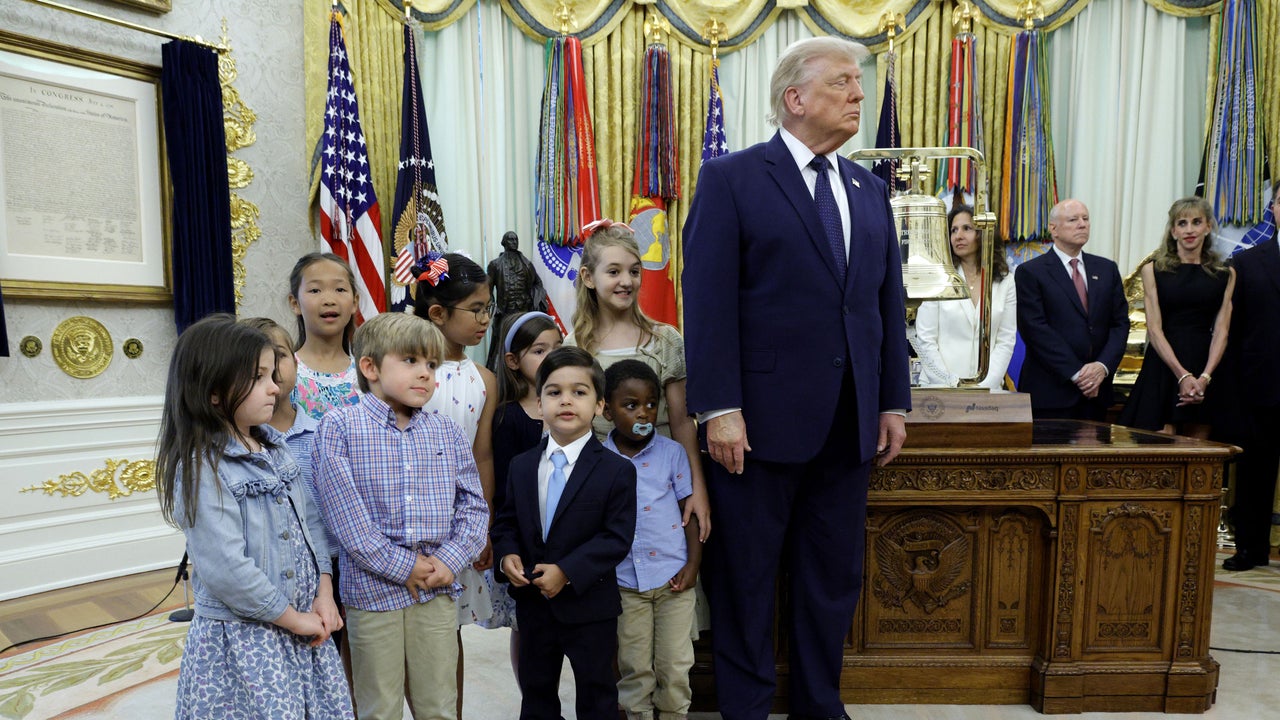
530 tax-advantaged investment accounts for children, colloquially known as "Trump accounts," debuted in July 2023. According to Treasury Secretary Scott Bessent, as of July 27, just three weeks after the accounts went live, 7 million children under 18 had enrolled in the accounts. Notably, 86% of these accounts belong to families earning less than $200,000 annually.
The House Committee on Ways and Means has stated that the high percentage of accounts belonging to lower-income families "proves that these investments are reaching the families who need them most."
In response to the accounts' launch, the Treasury Department proposed additional guidance that would allow families to invest up to $2,500 annually, pretax, through payroll deductions. Currently, parental contributions to these accounts aren't tax-deductible. Since the program's inception, more than 50 major private employers have pledged to contribute to their employees' Trump accounts, with annual contributions limited to $2,500 per individual. Notable companies pledging contributions include Vanguard, Visa, Kraken, Chime, and ADP.
While the concept of providing investment accounts to all American children under 18 seems promising, concerns have arisen regarding the implementation. One of the primary benefits of the Trump accounts is their availability to all children—potentially leveling the investing playing field. However, practical barriers remain.
Firstly, the notion that the 86% of enrolled families with incomes under $200,000 are "the families who need these accounts the most" is debatable. According to the Census Bureau, only 16% of American households earned $200,000 or more annually in 2024. The median household income was $83,730, representing about 250% of the federal poverty level for a four-person family. With 84% of American households earning less than this, the income threshold for "families who need it most" appears excessively high.
Secondly, even with pretax payroll deductions, contributing $2,500 annually may be challenging for low-income families. Assuming a median income of $83,730, 200 dollars per month would be a substantial reduction in take-home pay. Families facing rising grocery prices, increasing homeownership costs, and soaring college expenses may find it difficult to allocate this amount without compromising their financial stability.
Households in the bottom income quintile, those earning $34,510 or less, often struggle with high debt-to-income ratios (nearly 120%), making it even more challenging for them to contribute to their children's Trump accounts.
Finally, employer sponsorship of Trump accounts could potentially improve participation rates, similar to how employer-matching contributions boost 401(k) plan involvement. However, not all employees have access to employer-sponsored retirement plans, and even for those who do, matching contributions are limited. Given that only 21.3% of workers earning $27,400 or less have access to a retirement plan through their workplace, and a mere 17.9% of these plans offer matching contributions, there's no assurance that access to employer-sponsored Trump account contributions will differ significantly.
Written by urgent.news from Fast Company's reporting — not their text. Machine-written — may contain errors; check the original before relying on it.