How fragile is Chacahua’s lagoon ecosystem? A conversation with locals on the Oaxaca coast
The coast of Oaxaca is among the areas most vulnerable to climate change in Mexico, but that's only one among many challenges facing the community of Chacahua Lagoon, writes Millie Deere. The post How fragile is Chacahua’s lagoon ecosystem? A conversation with locals on the Oaxaca coast appeared first on Mexico News Daily
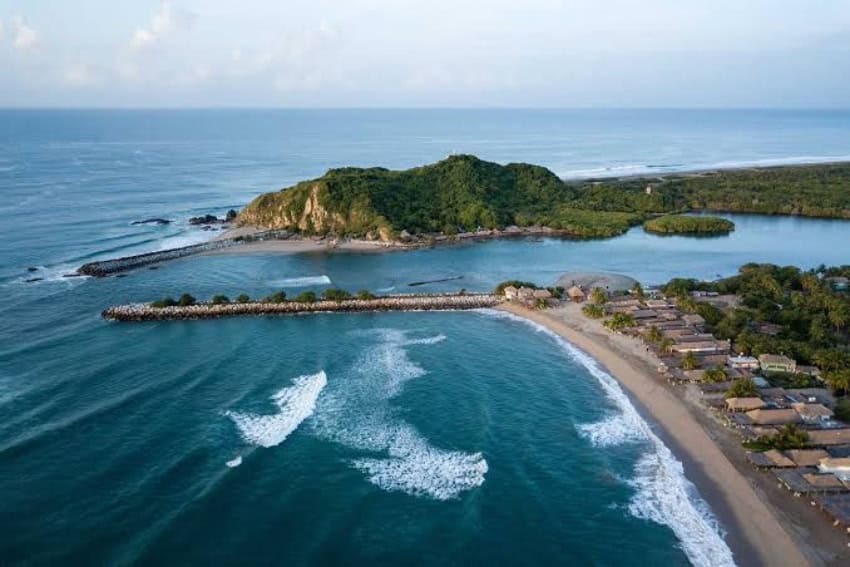
Laguna de Chacahua, located on the western coast of Oaxaca, is a lagoon ecosystem surrounded by jungle flora and mangrove roots. The island barrier, 34 miles away from Puerto Escondido, has been a national park since 1937. Its community is predominantly Black and Afro-Indigenous, with fishing as a primary livelihood for most residents, around 800 people in total.
However, the lagoon ecosystem is facing challenges. Coastal environments and communities are increasingly exposed to natural hazards due to Oaxaca's geographic location and vulnerability to climate change. Average yearly temperature in Oaxaca City has risen by 1.1 degrees Celsius (2 degrees Fahrenheit) between 1994 and 2024, representing a rapid change over three decades. Rising sea levels, exacerbated by climate change, have led to coastal erosion and collapsing houses.
The ecosystem is facing further threats from ecocide, caused by toxic chemical influx from local oil-crop industries and waste from a lime-oil factory. Shrimp and fish populations are declining, causing hardship for the local fishing community, which is integral to life in Chacahua. Despite the challenges, the resilience of mangroves, surrounded by a network of mangrove corridors, remains a part of the 51-square-mile national park designated in 1937.
Written by urgent.news from Mexico News Daily's reporting — not their text. Machine-written — may contain errors; check the original before relying on it.