Historic retailer gets lifeline after warning it could collapse
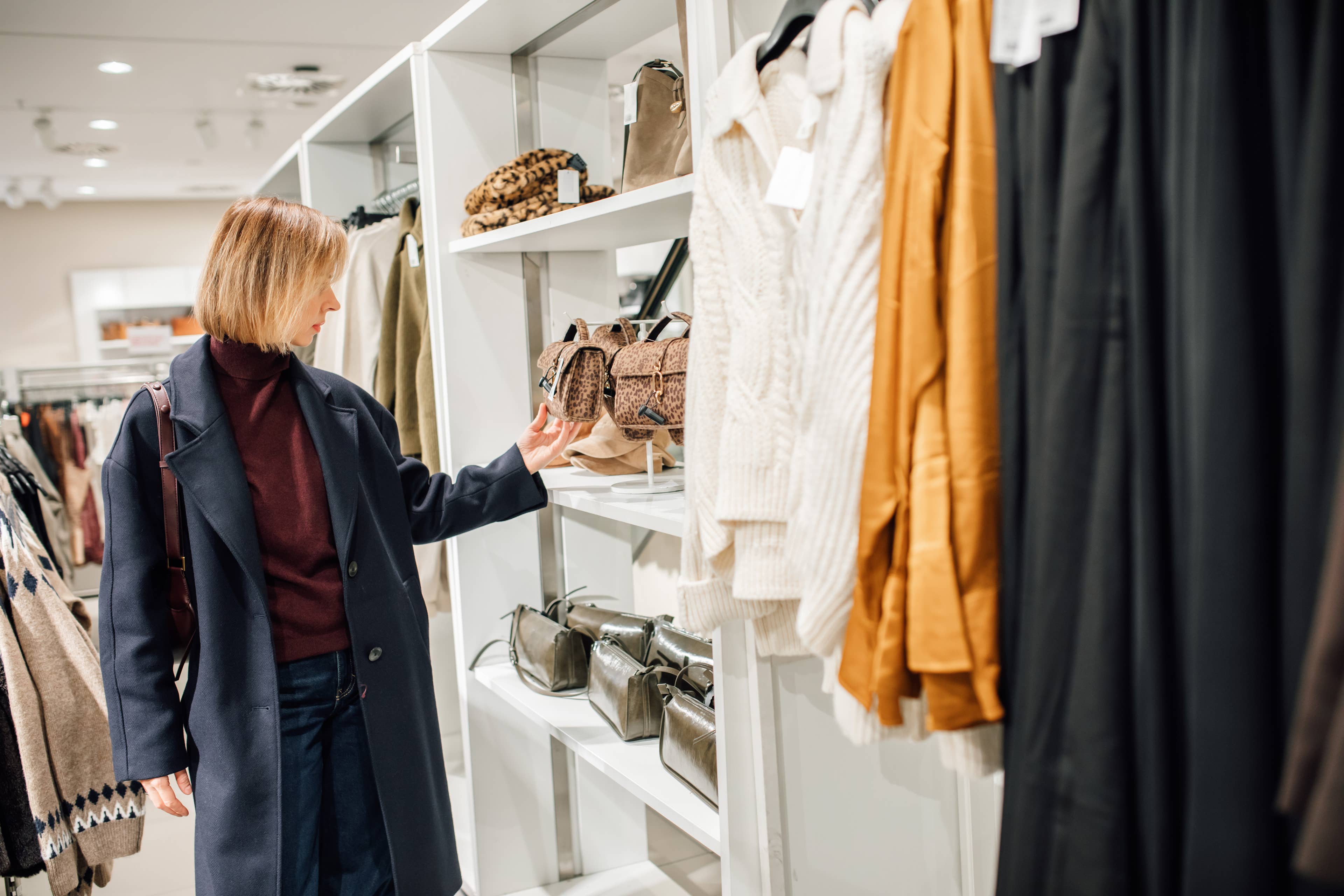
For decades, Harvey Nichols stood as a pinnacle of British luxury retail, attracting discerning shoppers worldwide. However, the storied department store chain now finds itself at a critical crossroads, facing potential collapse after years of mounting losses and financial turmoil. Founded in 1831, Harvey Nichols had operated 12 stores globally, known for its designer fashion, cosmetics, fine wines, and gourmet offerings.
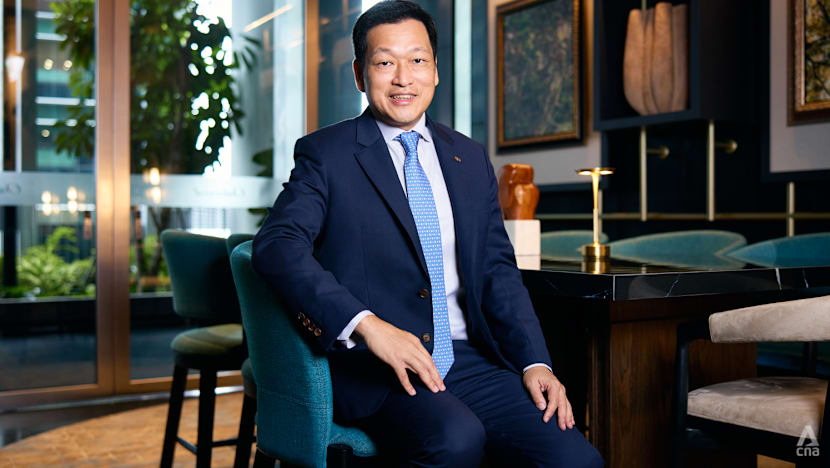
Poon, a Hong Kong-based luxury businessman, bought the company in 1991 and struggled to turn things around, despite his 35-year tenure. The retailer's troubles escalated in 2025, with losses reaching £105 million ($142 million) after tax and a £49 million ($66 million) pre-tax deficit, after writing off inter-company loans. Consumer demand, higher operating costs, online competition, and the end of tax-free shopping for tourists in the U.K. all contributed to the retailer's struggles.
After months of uncertainty, Harvey Nichols was sold to Mike Ashley's Frasers Group through pre-pack administration on August 13, 2026. The deal includes the company's U.K. stores, online business, inventory, and employees, though the Dublin location remains undecided, and the OXO Tower restaurant in London was excluded. Frasers Group aims to restructure Harvey Nichols, potentially downsizing its operations to create a more sustainable business model.
The acquisition is a significant shift for both parties, marking the end of Poon's 35-year ownership and Frasers Group's first major acquisition of a U.K. luxury retailer. Despite the acquisition, Frasers Group acknowledges the need for significant changes to return the retailer to profitability. The luxury retail market continues to face challenges, with weaker consumer spending, changing habits, higher costs, and slower international demand impacting businesses worldwide.
Written by urgent.news from Yahoo Finance's reporting — not their text. Machine-written — may contain errors; check the original before relying on it.