Har Ghar Tiranga Must Inspire More Than A Momentary Salute To The Nation
This year, the period between August 9 and August 17, 2026, is being celebrated as Har Ghar Tiranga week to foster nationalistic pride and fervour among citizens. The Har Ghar Tiranga campaign started in 2022 under the aegis of Azadi Ka Amrit Mahotsav to celebrate 75 years of India's independence, encouraging citizens to hoist the national flag at their homes. The Tiranga, bearing the colours…
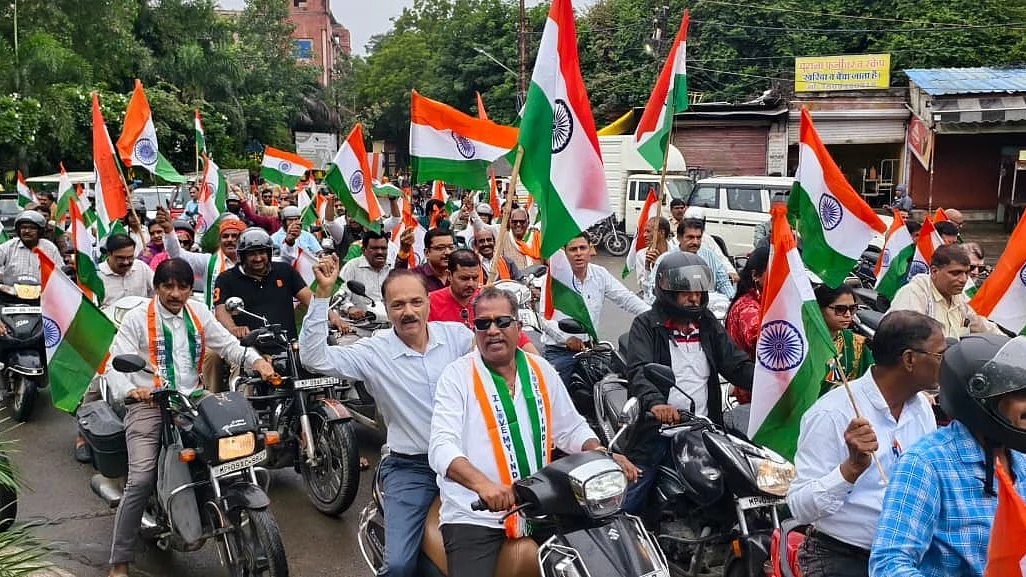
The Har Ghar Tiranga campaign, initiated in 2022, aims to strengthen nationalistic pride among citizens by encouraging them to hoist the Indian flag at their homes. This initiative, as part of the Azadi Ka Amrit Mahotsav, marks its climax between August 9 and 17, 2026. The Tiranga, with its vibrant colours of saffron, white, and green, symbolizes unity and invokes a sense of reverence when it is displayed in unison with the national anthem.
The flag's reverence is underscored by various laws, including the Flag Code of India, 2002, Prevention of Insults to National Honour Act, 1971, and the Emblems and Names (Prevention of Improper Use) Act, 1950, all of which govern its display and use.
The flag's design, a rectangular banner with a length-to-height ratio of 3:2, is made from hand-spun and hand-woven or machine-made cotton, wool, silk, khadi, or polyester bunting. It is strictly prohibited to display the flag upside down, touch it with the ground, or use it as a costume, uniform, or a general decoration. Despite these rules, India, known for its littering habits, often shows carelessness in the disposal of the national flag post-holidays, with streets littered with Tricolour stickers and small plastic or paper flags.
The three main colours of the flag represent distinct national values: saffron for courage and sacrifice, white for peace and truth, and green for fertility and growth. The navy-blue Ashoka Chakra wheel in the centre with 24 spokes embodies the eternal wheel of law of dharma and continuous progress. However, these profound messages are often overshadowed by caste, parochial, and communal divisions that plague the nation.
Despite the initiatives, there is a pressing need to reform school education, focusing on national heroes, inventors, and artists, and imparting knowledge about diverse cultures, music, and arts to young minds. This will help instill a nationalistic spirit and foster a personal and emotional connection with the country. The Indian armed forces, under the Tiranga, exemplify unity in diversity, transcending caste and communal differences.
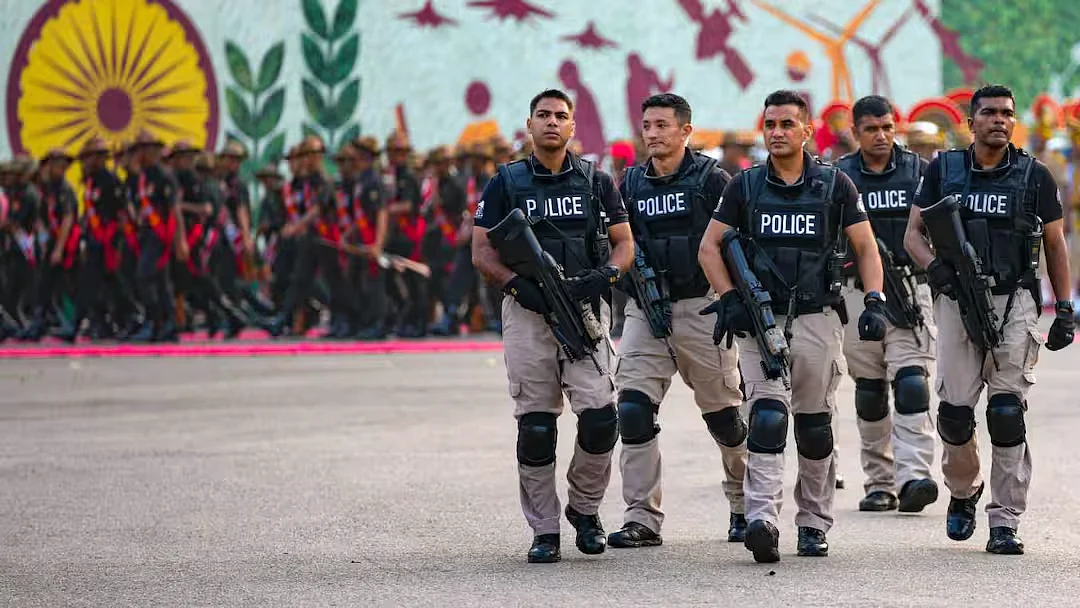
However, this unity is not mirrored in all sectors, particularly in the police forces, which often get entangled in politics.
The Tiranga, therefore, serves as a reminder that despite our differences, we are one nation, irrespective of our caste, region, or religion. It is essential that the spirit of the Tiranga is not limited to specific days but resonates throughout the year, uniting the people of India in its true essence.
Written by urgent.news from Free Press Journal's reporting — not their text. Machine-written — may contain errors; check the original before relying on it.