Gurgaon’s annual road-repair cycle: 10 ways to fix the problem, not just the potholes
Gurgaon consistently suffers from road damage and waterlogging following significant monsoon rains. This ongoing issue highlights persistent drainage and construction flaws that have yet to be resolved. Despite ongoing investments in repairs, the city fails to tackle the fundamental causes of its infrastructure issues. Roads function within an interdependent network where adequate drainage is…
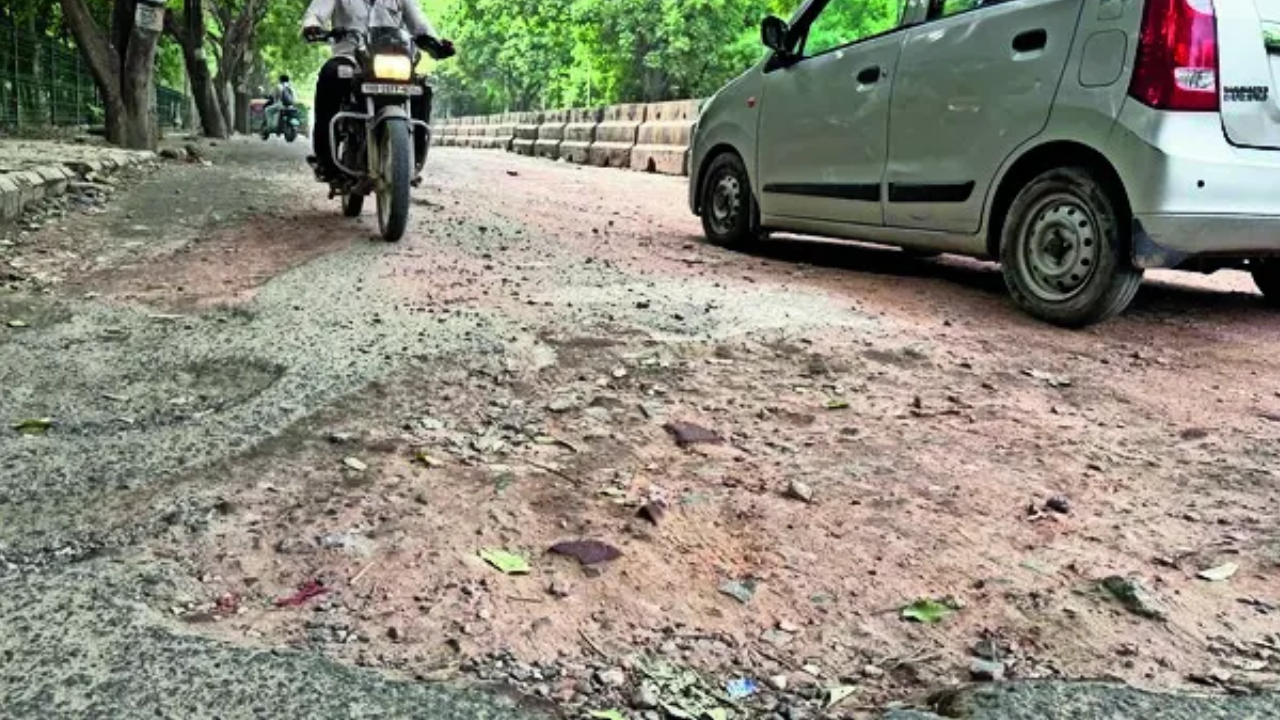
Gurgaon's annual road-repair cycle is characterized by a series of recurring issues that seem to persist year after year. Whenever heavy monsoon rains arrive, the familiar pattern unfolds: potholes and damaged stretches become evident, causing traffic to slow down significantly. Civic agencies rush to deploy pumps and announce repairs, only for residents to move on, temporarily forgetting the problem until the next spell of rain.
This year, the scope of the damage and the money spent on repairs have sparked a larger question: why is Gurgaon still investing in repairing roads when the fundamental drainage and construction issues remain unaddressed?
The latest monsoon has once again highlighted the city's struggles. Key roads like MG Road, Ghata Road, Sirhaul-Kapashera border road, Sheetla Mata Mandir Road, and Palam Vihar roads have reported damage. The problem extends beyond these areas, with major corridors such as Sohna Road, Golf Course Extension Road, and the Southern Peripheral Road also facing heavy traffic volumes. These roads are not only residential streets but also connect some of Gurgaon's busiest residential, commercial, and business districts.
One of the most glaring examples of the issue is the road connecting Sectors 102 and 102A, near the Dwarka Expressway. While the area was redeveloped by Gurgaon Municipal Development Authority (GMDA) last year at a reported cost of Rs 11.8 crore, including a drainage system, residents still experience flooding after rain, leading to traffic bottlenecks and damage to the road surface. This suggests that the city has spent money on redevelopment and included drainage, yet the same basic problem still persists.
The monsoon not only exposes the potholes but also reveals deeper issues. Cracks, loose gravel, potholes, and waterlogging are common after rain. The accumulated water in potholes makes it difficult for motorists to judge the depth, increasing the risk of accidents and vehicle damage. The problem is particularly severe on frequently used roads that experience flooding at the same time.
Gurgaon's challenges go beyond just rain. The city has repeatedly struggled to manage stormwater effectively. During a recent spell of heavy rain, several parts of the city were waterlogged, with 97mm of rain recorded in just 24 hours in early August. This highlights the city's limited resilience to extreme rainfall events.
The road problem cannot be separated from the drainage issue. Roads are part of an interconnected urban system where their performance relies on proper drainage, road levels, construction quality, maintenance, utility work, and surrounding infrastructure capacity to handle runoff. When drainage systems fail, water accumulates on roads, and repeated utility work can damage road structures.
If repairs address only the top layer without addressing the underlying cause, the same defects may reappear. Moreover, with roads, drains, utilities, and surrounding development managed by different agencies, fixing one component does not necessarily solve the entire system.
The city has experimented with technology to tackle waterlogging issues. The Indian Institute of Technology, Gandhinagar (IIT), has installed a sensor system to monitor sewer network parameters in real-time. This shift from reactive to preventive monitoring is crucial to preventing road flooding.
To break the cycle of road repairs, Gurgaon can consider the following ten strategies:
1. Make drainage a compulsory part of every road project.
2. Diagnose the underlying cause before resurfacing roads.
3. Develop a citywide stormwater management map.
4. Ensure roads are built at the correct levels, not just resurfaced.
5. Treat drains as essential infrastructure, not just seasonal cleaning tasks.
6. Complete missing links in the master-drain network.
7. Protect and restore natural drainage channels and water bodies.
8. Introduce performance-based road contracts.
9. Create a unified accountability chain for roads and drainage management.
10. Shift from reactive repair after rain to proactive testing before the monsoon season.
The financial costs of damaged roads are significant, but the impact on commuters is equally severe. Cratered or flooded roads lead to damaged vehicles, longer travel times, increased fuel consumption, and economic losses for businesses due to employee productivity losses during traffic congestion.
Gurgaon faces a broader challenge than just potholes. The underlying planning and maintenance issues are at play, with potholes serving as the most visible symptom. Simply resurfacing roads does not guarantee long-term durability. The true test will be how these roads perform during the upcoming monsoon season. Future road contracts must prioritize addressing both the road infrastructure and the surrounding drainage systems to ensure sustainable solutions.
Written by urgent.news from Times of India's reporting — not their text. Machine-written — may contain errors; check the original before relying on it.