Global concerns over Afghanistan rise as Taliban celebrate five years back in power
International concerns have increased over human rights breaches and a grave security crisis in Afghanistan five years after the Taliban returned to power. European states and international organisations believe the Taliban have struggled to address natural and humanitarian crises in the country, in part because Afghan women face severe restrictions. "France reaffirms its unwavering solidarity…
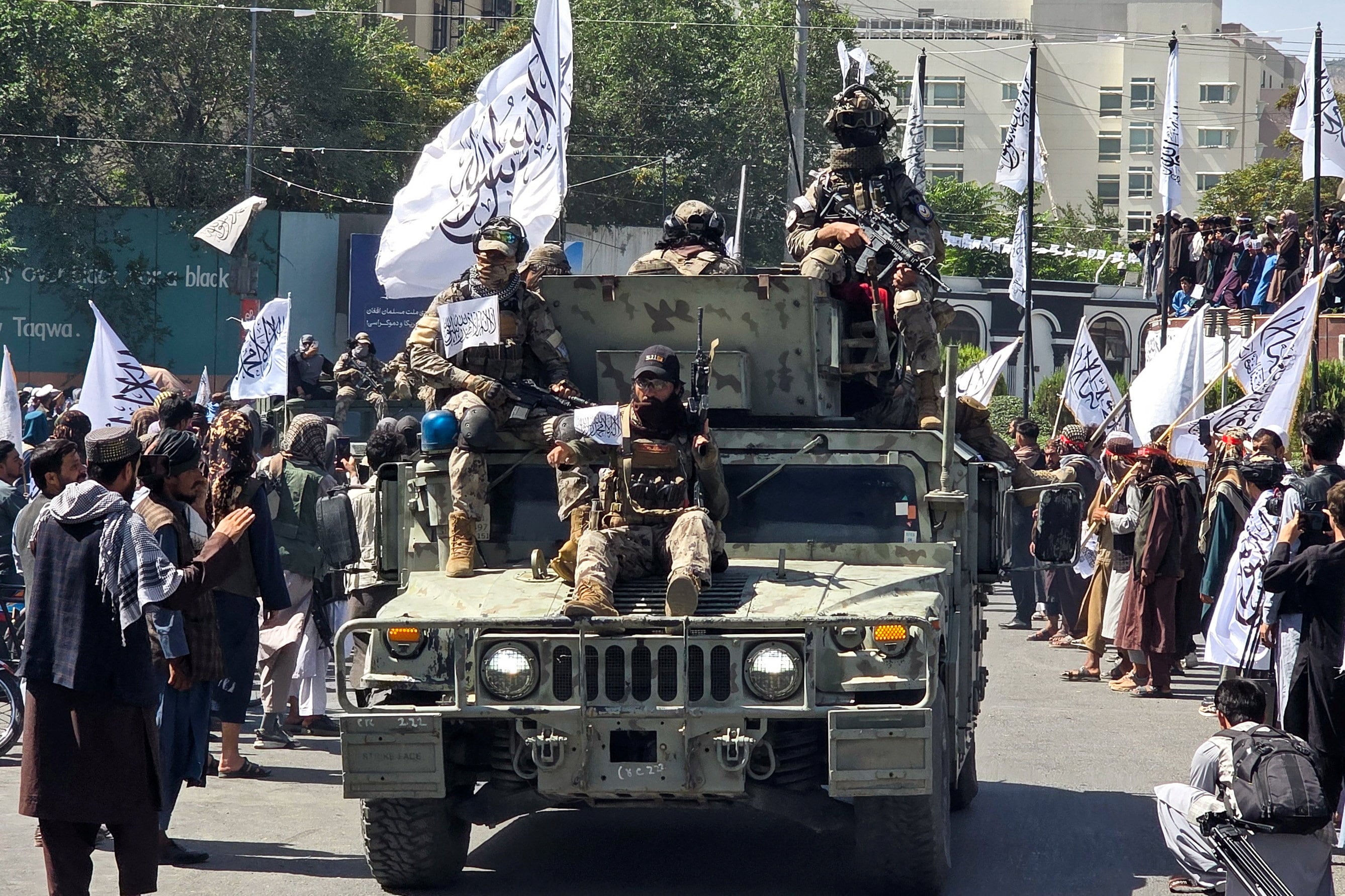
Five years after the Taliban returned to power in Afghanistan, international concerns have grown over the country's deteriorating human rights situation and escalating security crisis. European nations and global organizations have expressed deep worries that the Taliban have failed to tackle the pressing humanitarian and socioeconomic challenges, particularly due to severe restrictions placed on Afghan women.
France has expressed unwavering solidarity with the Afghan population, while the French Foreign Ministry emphasized the worsening humanitarian, economic, and security crisis that continues to threaten regional stability. The fundamental rights and freedoms of the population, especially women and girls, are being progressively undermined. Women and girls are barred from secondary and higher education, with the Taliban enforcing a host of discriminatory laws and measures aimed at eradicating them from public life.
According to the UN culture agency, around 2.5 million women and girls have been denied access to secondary schools and universities since 2021. Data released by UN Women indicates that half of Afghan women now step outside their homes only once or twice a month. The Taliban claim they respect women's rights based on their interpretation of Sharia law, but Hannah Neumann, a member of the European Parliament, has accused Germany and the EU of failing Afghans despite knowing the regime's intentions.
On Friday, 56 UN member states joined a joint statement calling on the Taliban to repeal discriminatory policies, particularly those targeting women and girls. These states warned that ongoing repression, terrorism, and restrictions on humanitarian operations pose significant threats to Afghanistan's stability. They further stated that Afghan citizens are suffering immensely from issues that have lasting implications for regional security.
Meanwhile, the UN is urging donors not to slash funding for women's programs in Afghanistan, as cutting support would only exacerbate the suffering of a nation where women's conditions are the worst in the world. Susan Ferguson, UN Women's special representative in Afghanistan, highlighted that the Taliban have enacted over 100 decrees restricting women's rights since their return to power, affecting nearly every aspect of women's daily lives, including education, employment, healthcare, and access to justice.
The Taliban's international standing remains tenuous, with Russia being the only country to formally recognize their government, while Pakistan remains tense regarding relations.
Written by urgent.news from The National UAE's reporting — not their text. Machine-written — may contain errors; check the original before relying on it.
Also reported by 2 other outlets
- Global concerns over Afghanistan rise as Taliban celebrate five years back in power thenationalnews.com
- Taliban govt marks five years ruling Afghanistan brecorder.com