During Japan’s cruel summer, chilled noodles are a survival strategy
Made in advance, cold "sōmen" noodles are a tried-and-true way to get through summer's peak without sacrificing flavor.
Japan's sweltering summers have given rise to a new term to describe the extreme heat - "kokushobi", meaning a "cruel hot day" with temperatures soaring above 40 degrees Celsius. This new classification replaces the previous term "mōshobi", reserved for "fiercely hot days" with temperatures of 35 C or higher. By July, cities across Japan had already endured multiple consecutive kokushobi days.
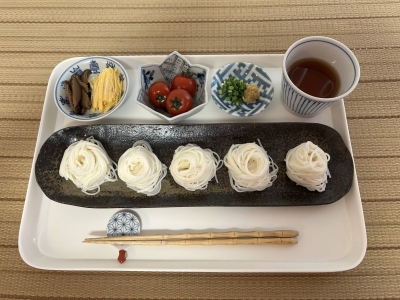
As the oppressive heat becomes an everyday reality, the Japanese kitchen menu undergoes a dramatic shift. The chilled, thread-thin wheat noodles known as sōmen have become a staple comfort food, providing much-needed relief from the relentless heat. This tradition of sōmen consumption dates back to at least the eighth century, making it a reliable survival strategy during the intense summer months.
Written by urgent.news from Japan Times's reporting — not their text. Machine-written — may contain errors; check the original before relying on it.