British naturalist’s 1987 Seychelles project saved warblers with new island population
In 1987, British naturalist Ian Bullock established Aride Island as a key conservation hub. His initiative led to the successful relocation of endangered Seychelles warblers the following year, significantly bolstering the species' numbers and preventing potential extinction. Today, their population thrives, and Bullock's innovative conservation methods are now standard practices in island…
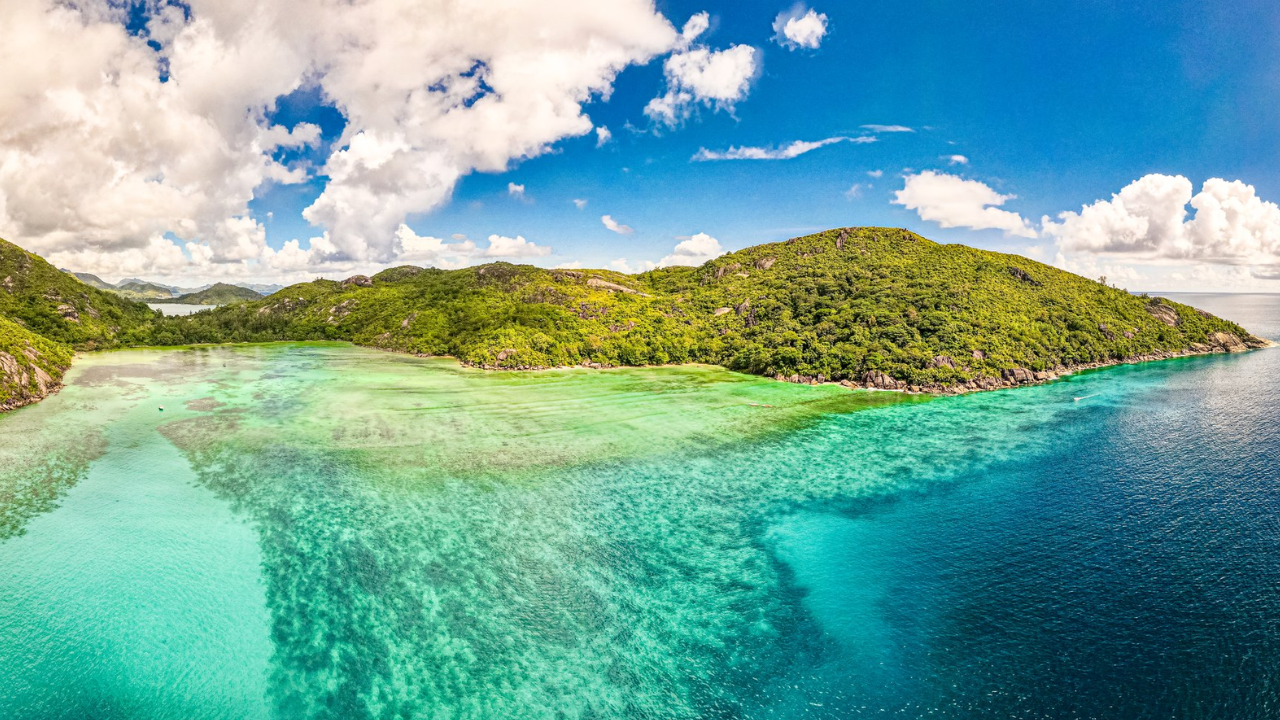
In 1987, British naturalist Ian Bullock assumed the role of the first professional warden on remote Aride Island within the Seychelles. A year later, his established groundwork paved the way for a crucial conservation initiative: the relocation of 29 endangered Seychelles warblers to the island, forming a secondary population and aiding the species' survival from potential extinction.
The scientific aspects of this warbler transfer were documented in obituaries published in The Guardian and Bird Conservation International, while BirdLife International maintained historical records of the species. Prior to the 1988 transfer, the entire global population of Seychelles warblers (Acrocephalus sechellensis) resided on just one island, Cousin Island, with the species' population having dwindled to merely 26 birds.
Conservationists recognized the peril of housing the entire species on a single island. A disease outbreak, natural disaster, or environmental issue could have led to the complete extinction of the population. Aride Island had already been cleared of invasive predators, making it a suitable site for establishing a second population of the threatened birds.
As Aride's inaugural warden, Ian Bullock orchestrated the necessary conditions to safeguard endangered wildlife. His duties included monitoring species, mapping habitats, training field staff, curbing poaching, and overseeing visitor management. According to The Guardian's obituary of Bullock by Eric Howell, his efforts on the isolated island laid the groundwork for more ambitious conservation ventures.
Baseline surveys and habitat management proved particularly vital, as relocating a small population of insect-eating songbirds to a new island entailed significant risks. Before the transfer, conservationists required comprehensive knowledge of the island's wildlife and environment. Between September 23 and 29, 1988, 29 adult Seychelles warblers were transported by motorboat from Cousin Island to Aride.
The birds, comprising 16 males and 13 females, were fitted with color rings for identification and monitoring. The project proved to be a resounding success, with data from BirdLife International and studies in Bird Conservation International showing the Seychelles warbler population expanding to over 3,000 birds across multiple island sanctuaries. The species has also been removed from higher threat categories.
Ian Bullock dedicated 25 years to the Royal Society for the Protection of Birds (RSPB), managing remote nature reserves across the UK and conducting population surveys of endangered birds. He perished in March 2025 due to melanoma at the age of 73. His work in the Seychelles extended beyond his tenure as a warden, as he co-wrote and illustrated "Birds of the Seychelles," a part of the Princeton Field Guide series, providing researchers and wildlife enthusiasts with a detailed reference to the region's birds.
Colleagues praised Bullock's meticulous fieldwork in places like Aride, highlighting how his approach has since been widely adopted in island conservation. The Aride translocation demonstrated that transferring a threatened species from an island where it was concentrated could diminish its extinction risk, leading to its implementation in other conservation efforts across the Seychelles. Throughout his life, Bullock protected remote ecosystems and left an indelible mark on the world of conservation.
Written by urgent.news from Times of India's reporting — not their text. Machine-written — may contain errors; check the original before relying on it.