Beijing issues ecological report to solidify South China Sea claims amid US row
China has published ecological assessment reports on nine disputed South China Sea features, amid an escalating row with Washington over Beijing’s establishment of a “national nature reserve” in the contested waters. On Friday, the Ministry of Natural Resources’ South China Sea Bureau issued its 2025 marine ecological early-warning and monitoring bulletin, alongside a separate marine ecological…
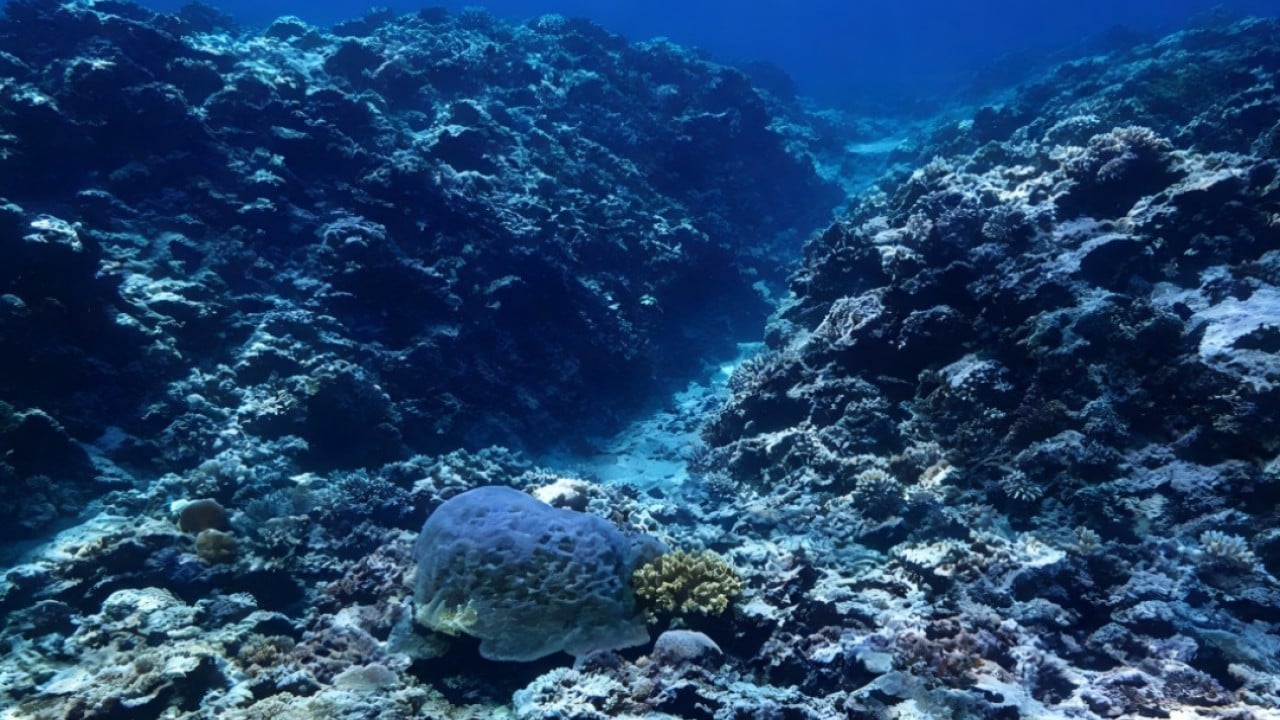
China has released ecological assessments for nine contested South China Sea features, in an effort to bolster its claims amid escalating tensions with the United States. The South China Sea Bureau of China's Ministry of Natural Resources published its 2025 marine ecological early-warning and monitoring bulletin, alongside a separate report on the region's ecological protection and restoration.
While the full reports have not been released, the ministry stated that the bulletin marked "the first comprehensive assessment" of ecological conditions across the Paracels, Spratlys/Nansha Islands, Macclesfield Bank, and surrounding reefs, known collectively as the Zhongsha Islands. The reports specifically highlighted the ecological status of nine of these islands and reefs, providing a basis for their protection and management.
The US State Department rejected China's assertion that Scarborough Shoal, also known as Huangyan Island, was a "national nature reserve", accusing Beijing of using environmental and legal arguments to advance its territorial claims. China's foreign ministry countered that establishing the reserve was within China's sovereign rights.
The latest report indicated that while overall marine ecology remained stable, the ecology of two disputed shoals had degraded significantly, blamed on the Philippines. Sandy Cay saw a near 70% drop in live coral coverage since 2016, attributed to starfish outbreaks, cyclones, and human activity, particularly from Philippine construction.
Second Thomas Shoal also experienced a sharp decline in live coral, blamed on rubbish, fishing nets, and waste from a foreign vessel grounded on the reef. China implemented 66 marine ecological restoration projects last year, investing nearly $741.6 million, and designated about 2.7 million hectares as marine ecological conservation areas.
Written by urgent.news from South China Morning Post's reporting — not their text. Machine-written — may contain errors; check the original before relying on it.
This story
This is one outlet's version. Read the fullest account.