Are your tomatoes in crisis? Here's how baking soda and vinegar can save your crop
When my tomato crop started failing, I skipped the test kit. Here's how two kitchen staples can reveal hidden soil pH issues.
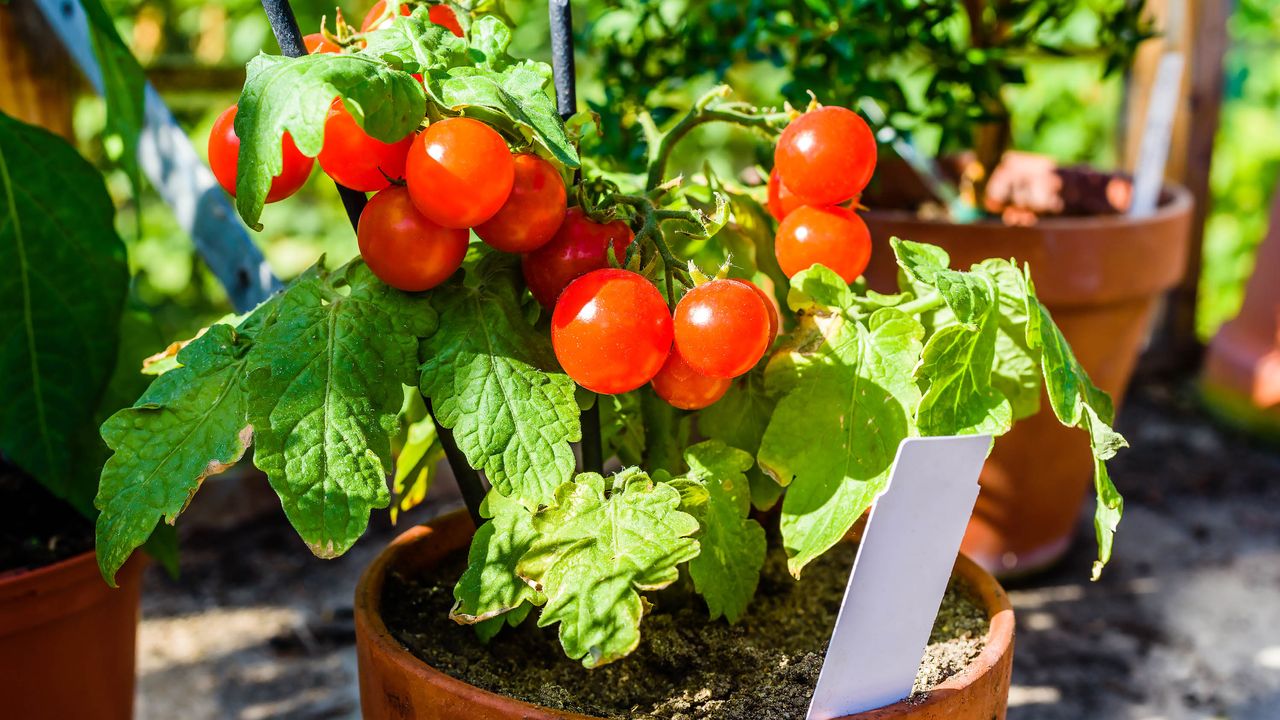
Tomato plants often don't suffer from a lack of nutrients, but rather from an unseen chemical barrier hindering nutrient absorption. Tomato roots flourish best in slightly acidic soil, and if the soil's pH drifts too far, root systems get restricted. Fortunately, you don't need specialized equipment to check your soil's pH. With just two household items—white vinegar and baking soda—you can perform a quick, reliable test in under five minutes.
This method involves taking a soil sample from near the plant's roots and performing simple acid-base reactions to determine if the soil is too alkaline or acidic. If your soil is too alkaline (pH above 7.0), the vinegar will cause it to fizz or bubble, while acidic soil (pH below 6.0) won't react at all. Alkaline soil can bind essential nutrients like nitrogen, phosphorus, and iron, making them unavailable to the plant.
On the other hand, excessively acidic soil can also limit nutrient uptake, causing yellowing leaves despite rich compost or fertilizer. Once you know your soil's pH, you can adjust it accordingly before applying fertilizer. To make the soil less alkaline, add elemental sulphur or acidifying organic matter like peat moss. To raise pH, mix in garden lime or wood ash.
This simple kitchen test provides an immediate, actionable diagnosis to help stabilize your soil and prevent long-term damage to your tomato plants.
Written by urgent.news from Tom's Guide's reporting — not their text. Machine-written — may contain errors; check the original before relying on it.