An expert explains: On Independence Day, recalling Ambedkar’s warnings — and remedies — for India
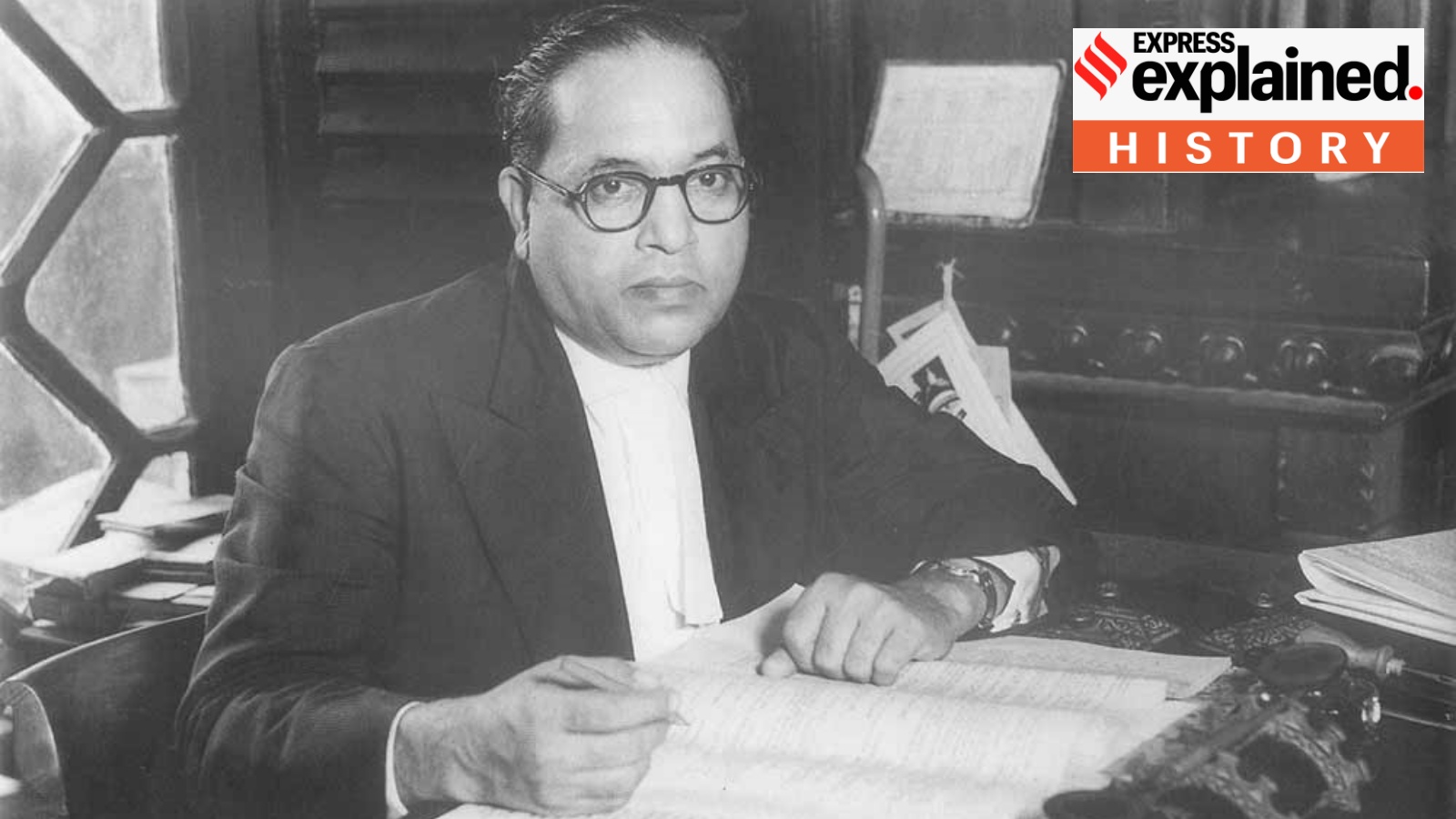
On Independence Day, Dr. Bhimrao Ramji Ambedkar's warnings and remedies for India on the country's 70th anniversary deserve close attention. In November 1949, as India drafted its Constitution, Ambedkar foresaw a life of contradictions on the 26th of January 1950. In politics, equality would prevail, but in social and economic life, inequality would remain embedded due to the country's social and economic structure.
Ambedkar cautioned that the nation must not only celebrate independence but also shoulder great responsibilities.
Ambedkar's concept of social democracy emphasized the need to build a society rooted in principles of liberty, equality, and fraternity. He argued that for political democracy to succeed, social democracy must serve as its foundation. Dr. Ambedkar emphasized that democracy is a way of life, emphasizing the importance of associated living and unity among society members.
However, he lamented that Indian society was plagued by the caste system, which contradicted the ideals of social democracy. He passionately denounced the caste system, asserting that it was a fundamental denial of the principles of society and, consequently, democracy.
Ambedkar's foresight on federalism surfaced in his work Thoughts on Linguistic States. He suggested that every state should have equal representation in the Upper House (Rajya Sabha) to prevent northern states from overruling southern states' interests. Additionally, he proposed equal voting power for the Lok Sabha and Rajya Sabha on Money Bills.
Ambedkar's concerns regarding state reorganization and the repercussions of the 1956 reorganization are particularly relevant today. His foresight regarding the southern states' concerns and the idea of dividing UP into several units remains pertinent.
Written by urgent.news from The Indian Express's reporting — not their text. Machine-written — may contain errors; check the original before relying on it.