Are online fandoms really that toxic? Fans say it's more complicated than that
From BTS ARMY to Swifties, some fandoms have become synonymous with toxic behaviour. But fans say their reputations are shaped just as much by competition, social media and internet culture as by the communities themselves.
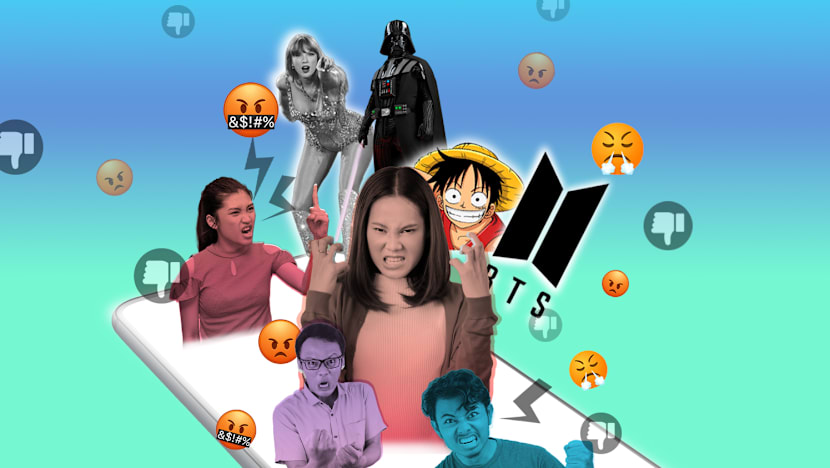
Online fandoms often bear a reputation for toxic behaviour, but fans themselves argue that this stereotype doesn't accurately capture the essence of what it means to be a fan. Loyalty in fandoms can be intense, with supporters rallying behind their chosen group during times of criticism or controversy. Celebrities like Taylor Swift and BTS have experienced online abuse from their dedicated fan bases.
Patrick Williams, an Associate Professor at Nanyang Technological University, suggests that the term "fan" is often misused, implying that fans are irrational or incapable of critical thinking. However, he acknowledges that fandoms can become toxic due to factors such as competition, social media, and online culture. The nature of a fandom and how it's encouraged to participate can shape whether toxicity emerges.
Fans interviewed for this article agree that toxicity is not inherent to fandom, but rather a result of various factors. Kim, a professional gamer and fan of K-pop, says that certain fandoms become more aggressive because their success feels like something fans can influence. The desire to support an idol may become intertwined with defending them or ensuring they gain the highest exposure, leading to obsessive behaviour.
For fictional universes, protectiveness can also contribute to toxicity in fandom culture. Fans become protective of stories they love for years, and disappointment can snowball into more severe issues when criticism arises. This protectiveness can lead to harassment and cyberbullying of creators and their work, as seen with Star Wars fans and the cast of the Heated Rivalry series. While there are valid concerns when adapting a beloved story, some fan actions can be blown out of proportion and unjustified.
Written by urgent.news from Channel News Asia's reporting — not their text. Machine-written — may contain errors; check the original before relying on it.